


- orshu
- •
- 6 Min Read
- •
- 18 minutes ago
Key Points
- Gold prices recovered from intraday lows following comments on “productive” U.S.-Iran discussions.
- Improved geopolitical sentiment reduced immediate safe-haven demand, pressuring earlier gains.
- Markets remain sensitive to Middle East developments and interest rate expectations.
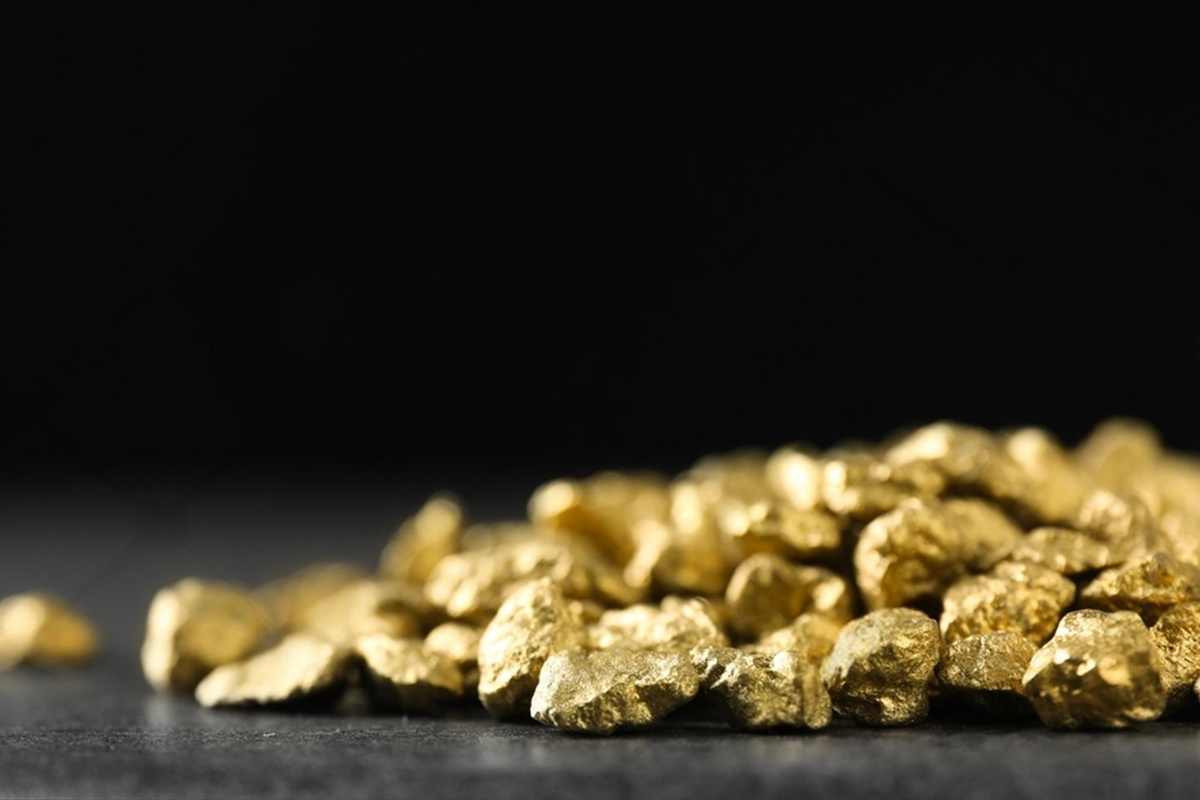
Gold prices trimmed earlier losses after former U.S. President Donald Trump described recent discussions with Iran as “productive,” easing geopolitical concerns that had initially driven safe-haven flows. The move comes amid a broader market environment shaped by interest rate uncertainty, fluctuating U.S. dollar strength, and persistent geopolitical risks.
Gold Recovers as Geopolitical Tensions Temporarily Ease
During the session, spot gold fell to intraday lows as risk sentiment improved following remarks suggesting progress in diplomatic engagement between Washington and Tehran. While exact pricing levels varied across trading platforms, gold typically trades inversely to geopolitical optimism, with reduced tensions diminishing its appeal as a safe-haven asset.
Trump’s characterization of the talks as “productive” contributed to a modest rebound in prices after the initial dip, as traders recalibrated expectations around potential outcomes. However, analysts caution that such geopolitical developments remain fluid, and any deterioration in negotiations could quickly restore upward pressure on gold.
For global investors, including those in Israel, gold continues to function as a hedging instrument against geopolitical volatility, particularly in regions where security risks directly influence market sentiment.
Interest Rates and Dollar Dynamics Continue to Drive Direction
Beyond geopolitics, the trajectory of gold prices remains closely tied to expectations around U.S. Federal Reserve policy. Higher interest rates tend to weigh on non-yielding assets like gold, while a softer rate outlook supports prices by lowering the opportunity cost of holding bullion.
The U.S. dollar also plays a critical role. A stronger dollar typically pressures gold by making it more expensive for holders of other currencies, while any signs of dollar weakness can provide support. Recent sessions have seen mixed signals, with investors balancing macroeconomic data against evolving central bank guidance.
In this context, gold’s recovery from session lows reflects not only geopolitical headlines but also a broader recalibration of expectations regarding monetary policy and currency movements.
Market Sensitivity Highlights Fragile Sentiment
The reaction to developments surrounding Iran underscores how sensitive financial markets remain to headline-driven risks. Even incremental updates in diplomatic rhetoric can trigger noticeable shifts in asset prices, particularly in commodities like gold that are heavily influenced by investor sentiment.
For institutional investors, this environment reinforces the importance of monitoring both macro indicators and geopolitical signals. The interplay between these factors has become increasingly complex, with short-term price movements often reflecting rapid changes in market perception rather than fundamental shifts.
In Israel and across global markets, geopolitical developments in the Middle East carry additional weight, given their potential impact on energy markets, inflation expectations, and broader financial stability.
Looking ahead, market participants will closely watch the evolution of U.S.-Iran relations, upcoming Federal Reserve decisions, and movements in the U.S. dollar. While gold’s rebound suggests some resilience, its near-term direction will likely depend on whether geopolitical tensions re-escalate or continue to ease, alongside clarity on the global interest rate outlook and inflation trajectory.
Comparison, examination, and analysis between investment houses
Leave your details, and an expert from our team will get back to you as soon as possible
* This article, in whole or in part, does not contain any promise of investment returns, nor does it constitute professional advice to make investments in any particular field.
To read more about the full disclaimer, click here
- sagi habasov
- •
- 6 Min Read
- •
- ago 3 hours
SKN | Is Gold Losing Its Safe-Haven Status as Geopolitics Give Way to Inflation Fears?
Gold and silver markets are undergoing a sharp recalibration as geopolitical tensions momentarily ease while inflation pressures intensify. After suffering
- ago 3 hours
- •
- 6 Min Read

Gold and silver markets are undergoing a sharp recalibration as geopolitical tensions momentarily ease while inflation pressures intensify. After suffering

- Ronny Mor
- •
- 6 Min Read
- •
- ago 20 hours
SKN | Surging Oil Prices Force Latin America to Reassess Energy Strategies
The recent surge in global oil prices has sent ripples across Latin American economies, prompting policymakers to reevaluate energy strategies
- ago 20 hours
- •
- 6 Min Read

The recent surge in global oil prices has sent ripples across Latin American economies, prompting policymakers to reevaluate energy strategies

- omer bar
- •
- 6 Min Read
- •
- ago 20 hours
SKN | Oil Prices Surge as Trump Issues Ultimatum and Iran Threatens Permanent Closure of the Strait of Hormuz
The oil market reacted sharply to the latest escalation between the United States and Iran, as President Trump issued a
- ago 20 hours
- •
- 6 Min Read
The oil market reacted sharply to the latest escalation between the United States and Iran, as President Trump issued a
- sagi habasov
- •
- 7 Min Read
- •
- ago 2 days
SKN | Global Supply Risks Ahead: How the Strait of Hormuz Could Impact Coca-Cola’s Cost Structure and Growth Outlook
Escalating geopolitical risks around the Strait of Hormuz are emerging as a key macro factor for global corporations, including
- ago 2 days
- •
- 7 Min Read

Escalating geopolitical risks around the Strait of Hormuz are emerging as a key macro factor for global corporations, including

