


- Lior mor
- •
- 6 Min Read
- •
- 19 seconds ago
Key Points
- Gold has surged 47% year-over-year and nearly quadrupled since 2016.
- Analysts from JPMorgan and Morningstar expect continued strength in 2026.
- $5,000 per ounce is increasingly viewed as a potential baseline level.
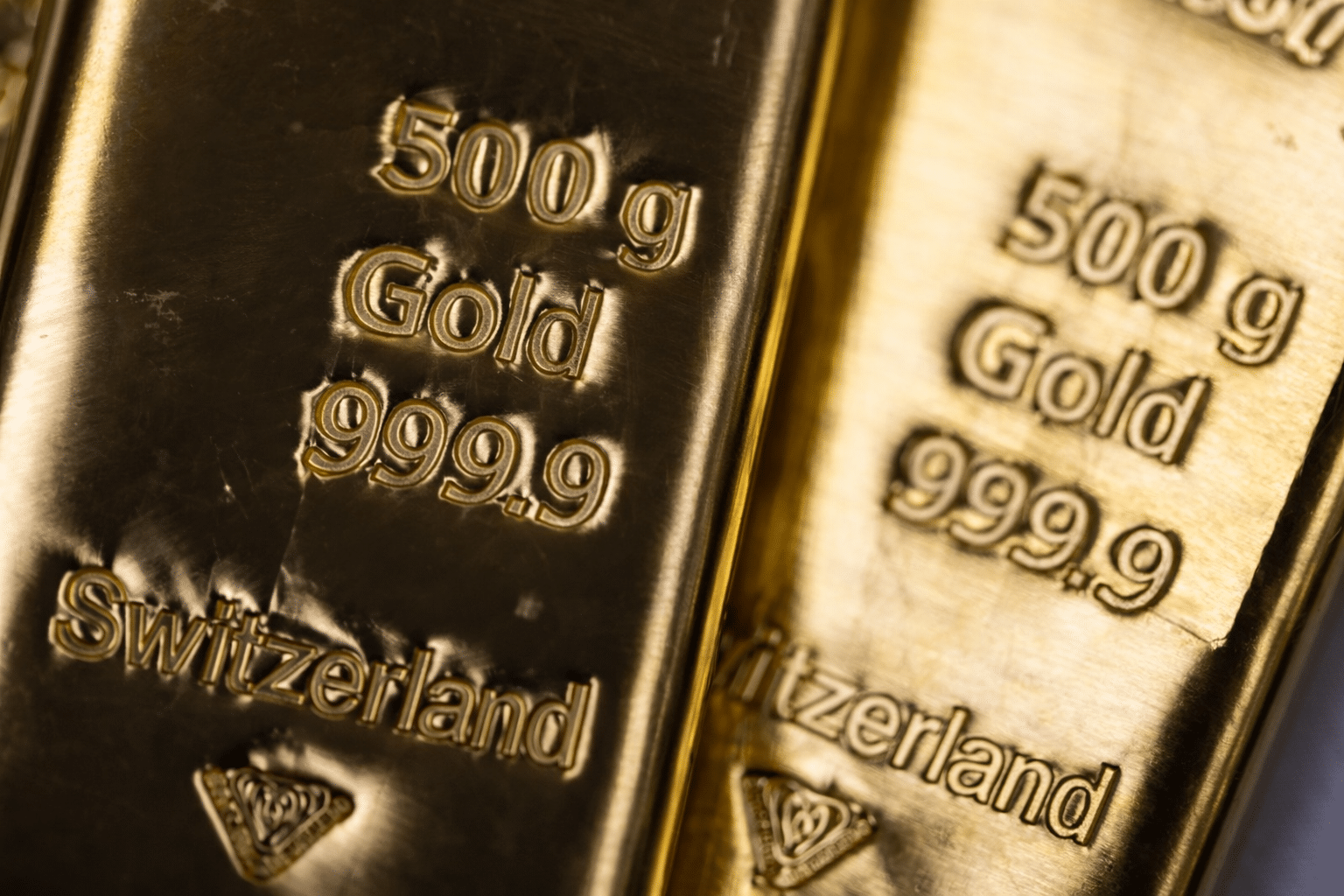
Gold’s Explosive Rally Sets the Stage
Gold has delivered a remarkable run over the past year, climbing from around $3,019 to $4,447 per ounce between March 2025 and March 2026—a surge of roughly 47%. Over a longer horizon, the rally is even more striking, with prices nearly quadrupling since 2016.
This strong performance has reignited one key question for investors: how much higher can gold go in 2026?
What’s Driving Gold Higher?
Several macro forces continue to support gold’s bullish trend. A weakening U.S. dollar, persistent inflation concerns, and ongoing geopolitical tensions have all contributed to strong demand for gold as a safe-haven asset.
Policies tied to Donald Trump, including tariffs and trade uncertainty, have also played a role in boosting investor demand. At the same time, easier access to physical gold through retail channels has increased participation from individual investors.
These combined factors have created a powerful tailwind for gold prices.
2026 Forecast: Strong but Volatile Upside
Major financial institutions such as JPMorgan Chase and Morningstar maintain a positive outlook for gold in 2026. Analysts expect the metal to remain well-supported, particularly if geopolitical conflicts persist and central banks maintain cautious monetary policies.
While short-term fluctuations are likely, the broader trend suggests continued strength, with gold maintaining elevated price levels throughout the year.
Can Gold Break $5,000 Again?
Gold has already demonstrated its ability to surpass the $5,000 level, having reached record highs earlier in 2026. Many analysts now believe that $5,000 could become a new baseline if current macro conditions persist.
However, whether gold sustains or exceeds that level depends on several factors:
The trajectory of global conflicts
Inflation trends and interest rate policies
Strength or weakness of the U.S. dollar
If tensions ease or inflation declines significantly, prices could stabilize rather than continue their sharp ascent.
Long-Term Outlook Toward 2030
Looking further ahead, projections become more mixed. Some analysts see gold continuing to climb, potentially establishing a higher long-term trading range above $5,000.
Others expect more moderate growth, especially if central banks—including the Federal Reserve—successfully manage inflation and economic stability.
Ultimately, gold’s long-term trajectory will be shaped by global monetary policy, economic cycles, and investor sentiment.
Is Gold Still a Good Investment?
Gold remains a proven store of value, particularly during periods of uncertainty. However, unlike stocks or bonds, it does not generate income, meaning its primary role is preservation rather than growth.
Most experts recommend limiting gold exposure to a portion of a diversified portfolio, typically no more than 10%–15%, depending on individual risk tolerance and financial goals.
Final Take
Gold’s powerful rally has been driven by a rare combination of macroeconomic and geopolitical forces. While volatility is likely in the near term, the overall outlook for 2026 remains constructive.
The key question is no longer whether gold can reach $5,000—it already has—but whether it can sustain and build on those levels in a shifting global environment.
Comparison, examination, and analysis between investment houses
Leave your details, and an expert from our team will get back to you as soon as possible
* This article, in whole or in part, does not contain any promise of investment returns, nor does it constitute professional advice to make investments in any particular field.
To read more about the full disclaimer, click here
- omer bar
- •
- 7 Min Read
- •
- ago 1 hour
SKN | The IMF 3.1% Revision: How Energy Supply Shocks and Fiscal Constraints Adjust Global Growth Models
The Mechanism of Supply-Side Constriction and Inflationary Anchoring The International Monetary Fund’s (IMF) adjustment of global GDP forecasts to 3.1%
- ago 1 hour
- •
- 7 Min Read

The Mechanism of Supply-Side Constriction and Inflationary Anchoring The International Monetary Fund’s (IMF) adjustment of global GDP forecasts to 3.1%

- Ronny Mor
- •
- 5 Min Read
- •
- ago 2 hours
SKN | Bank of America Profits Jump 17% as Strong Consumer Activity Signals Economic Resilience
Strong Earnings Beat Expectations Bank of America delivered a strong first-quarter performance, reporting a 17% year-over-year increase in profit to
- ago 2 hours
- •
- 5 Min Read

Strong Earnings Beat Expectations Bank of America delivered a strong first-quarter performance, reporting a 17% year-over-year increase in profit to

- Lior mor
- •
- 5 Min Read
- •
- ago 4 hours
SKN | Dollar Pressured as US–Iran Optimism Weakens Safe-Haven Demand
The U.S. dollar remained under pressure, with the dollar index (DXY) trading near 98 and hovering around six-week lows.
- ago 4 hours
- •
- 5 Min Read

The U.S. dollar remained under pressure, with the dollar index (DXY) trading near 98 and hovering around six-week lows.
- omer bar
- •
- 5 Min Read
- •
- ago 4 hours
SKN | Copper Rebounds to Two-Month Highs as Iran Diplomacy Lifts Growth Outlook
Copper prices climbed toward $6.1 per pound, reaching more than two-month highs and fully recovering losses triggered by the Middle
- ago 4 hours
- •
- 5 Min Read

Copper prices climbed toward $6.1 per pound, reaching more than two-month highs and fully recovering losses triggered by the Middle

