





- Ronny Mor
- •
- 6 Min Read
- •
- 3 minutes ago


Key Points
- Ford's third-quarter core profit rose slightly to $2.7 billion, despite production challenges affecting its best-selling F-150 trucks.
- Adjusted earnings per share reached 49 cents, beating the LSEG forecast of 40 cents.
- Ford raised the lower end of its annual EBIT guidance by $500 million to $10.5 billion, even as its estimated commodity-cost headwind increased to nearly $2.5 billion.
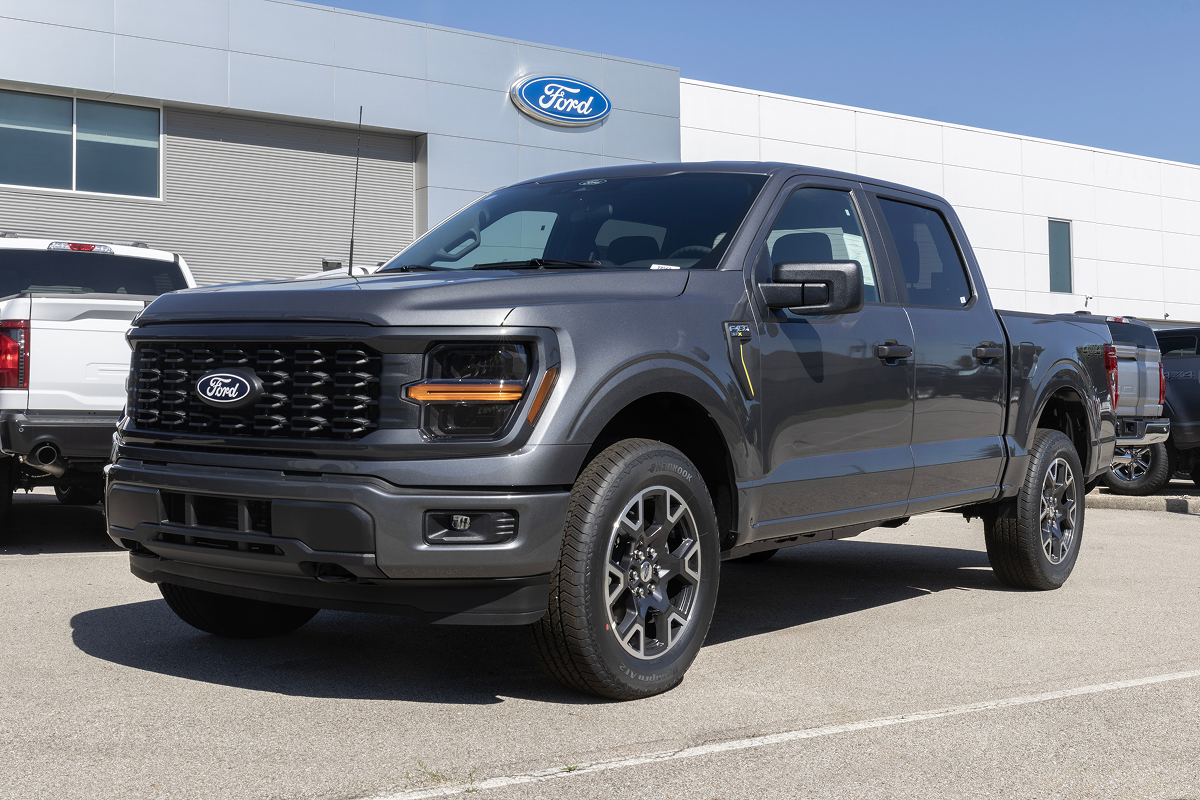
Ford Motor delivered a stronger-than-expected third-quarter performance despite rising commodity costs and production challenges, demonstrating resilience as the global automotive industry faces higher input and operating expenses. The Michigan-based automaker also raised the floor of its full-year earnings outlook, although escalating costs linked to commodities, fuel, semiconductors and geopolitical conditions remain a significant pressure on profitability.
Ford’s Core Profit Holds Up Under Cost Pressure
Ford reported third-quarter core profit of $2.7 billion, a slight increase from the comparable period, even as the company dealt with production difficulties involving its best-selling F-150 trucks. The performance highlights the importance of Ford’s core vehicle operations in absorbing higher costs while maintaining earnings momentum.
Adjusted earnings per share came in at 49 cents, exceeding the 40-cent LSEG forecast. The earnings beat provides evidence that Ford’s operating performance remained sufficiently resilient to offset some of the cost pressures affecting the automotive industry, although the underlying cost environment remains challenging.
Commodity Costs Become a Larger Headwind
Ford raised its estimate for full-year commodity-cost pressure to nearly $2.5 billion, up from its previous estimate of about $2 billion. The increase reflects a combination of higher prices for key industrial inputs and broader operating pressures facing the company.
The automaker cited rising prices for copper and steel, higher fuel costs and more expensive chips among the factors increasing expenses. Ford also pointed to the conflict in the Middle East as part of the broader environment contributing to higher costs. These pressures are significant because automotive manufacturing depends heavily on metals, energy and semiconductor components, making manufacturers particularly sensitive to commodity and supply-chain fluctuations.
Higher Guidance Signals Confidence in Operations
Despite the increased commodity burden, Ford raised the lower end of its full-year adjusted EBIT guidance by $500 million to $10.5 billion. The adjustment indicates that management expects operating performance to remain strong enough to absorb at least part of the additional cost pressure.
The revised guidance also highlights the importance of execution across Ford’s manufacturing operations. Production stability, vehicle demand and cost management will remain critical as the company works to protect profitability against higher input expenses and potential supply-chain disruptions.
Geopolitical and Supply Risks Remain in Focus
Ford’s results illustrate the increasingly interconnected risks facing global automakers. Higher metal prices, fuel costs and semiconductor expenses can emerge simultaneously with geopolitical disruptions, creating pressure across manufacturing and logistics networks.
Going forward, investors will monitor whether Ford can maintain its improved earnings trajectory while managing the nearly $2.5 billion commodity-cost headwind. Production performance, input prices, semiconductor availability and geopolitical developments will remain important variables for the company’s final-quarter results and full-year financial performance. The ability to convert resilient vehicle operations into sustained earnings growth despite elevated costs will remain a key test for Ford as it enters the next stage of its operating cycle.
Comparison, examination, and analysis between investment houses
Leave your details, and an expert from our team will get back to you as soon as possible
* This article, in whole or in part, does not contain any promise of investment returns, nor does it constitute professional advice to make investments in any particular field.
To read more about the full disclaimer, click here
- Lior mor
- •
- 6 Min Read
- •
- ago 2 minutes
SKN | Airbus Holds Annual Targets as Record Year-End Delivery Push Comes Into Focus
Airbus maintained its annual financial and production targets on Wednesday despite a mixed third-quarter performance, leaving the world's largest
- ago 2 minutes
- •
- 6 Min Read

Airbus maintained its annual financial and production targets on Wednesday despite a mixed third-quarter performance, leaving the world's largest

- omer bar
- •
- 7 Min Read
- •
- ago 2 minutes
SKN | Can Oracle’s Cash Flow Plan Ease Concerns Over the Cost of Its AI Expansion?
Oracle moved to reassure investors over the financial demands of its artificial intelligence expansion on Wednesday, saying capital spending
- ago 2 minutes
- •
- 7 Min Read

Oracle moved to reassure investors over the financial demands of its artificial intelligence expansion on Wednesday, saying capital spending

- Ronny Mor
- •
- 6 Min Read
- •
- ago 55 minutes
SKN | Wall Street Ends Higher as Fed Holds Rates Steady and Earnings Take Center Stage
Wall Street closed higher on Wednesday after the Federal Reserve held its benchmark interest rate steady, allowing investors to
- ago 55 minutes
- •
- 6 Min Read

Wall Street closed higher on Wednesday after the Federal Reserve held its benchmark interest rate steady, allowing investors to
- omer bar
- •
- 7 Min Read
- •
- ago 57 minutes
SKN | Microsoft Cloud Revenue Beats Estimates as AI Investments Begin to Deliver
Microsoft delivered stronger-than-expected quarterly cloud revenue on Wednesday, providing investors with evidence that its substantial investment in artificial intelligence
- ago 57 minutes
- •
- 7 Min Read

Microsoft delivered stronger-than-expected quarterly cloud revenue on Wednesday, providing investors with evidence that its substantial investment in artificial intelligence

