





- omer bar
- •
- 9 Min Read
- •
- 2 hours ago
Key Points
- The Federal Reserve’s latest inflation data presents both encouraging and concerning signals for investors.
- Persistent inflation pressures have kept the possibility of another interest rate hike on the table later this year.
- Higher borrowing costs could create headwinds for debt-dependent sectors while benefiting parts of the financial industry.
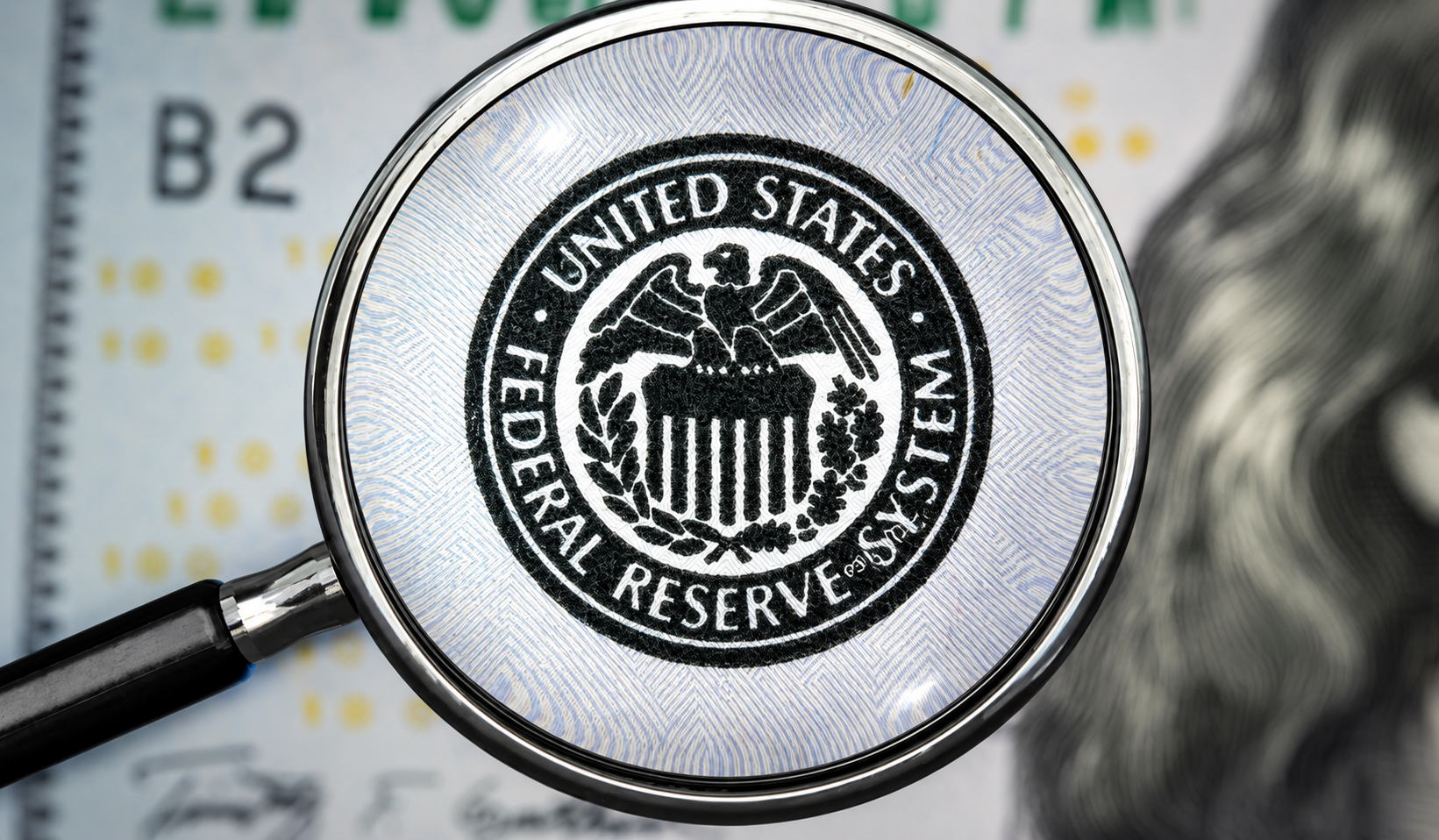
Investors received a mixed message from the Federal Reserve’s latest inflation assessment as policymakers continue to balance economic growth against persistent price pressures. Under the leadership of Federal Reserve Chair Kevin Warsh, the central bank recently maintained its benchmark interest rate while signaling that inflation remains elevated enough to justify a cautious approach moving forward.
For financial markets, the latest inflation reading reinforces a reality that investors have been grappling with throughout 2026: interest rates may remain higher for longer, and another rate increase cannot be ruled out.
Inflation Progress Remains Uneven
While inflation has moderated significantly from its peak levels, recent economic data suggests that price pressures have not fully subsided. The Federal Reserve continues to monitor inflation closely, particularly through the Personal Consumption Expenditures (PCE) Price Index, its preferred measure of consumer prices.
The latest readings indicate that inflation remains above the Fed’s long-term target, prompting policymakers to maintain a vigilant stance. Although the pace of price increases has slowed compared to previous years, underlying inflation trends remain persistent enough to prevent the central bank from declaring victory.
As a result, market participants are increasingly adjusting expectations to reflect the possibility of additional monetary tightening if inflation fails to cool further.
Higher Rates Create Winners and Losers
The prospect of another interest rate hike carries significant implications across various sectors of the economy.
Companies that rely heavily on debt financing typically face greater challenges when borrowing costs rise. Small-cap businesses, growth-oriented firms, and highly leveraged industries often experience increased financing expenses that can weigh on profitability and future expansion plans.
Utilities and other capital-intensive sectors may also encounter pressure as higher rates increase the cost of funding infrastructure investments and long-term projects.
On the other hand, financial institutions often benefit from a higher-rate environment. Banks can potentially generate stronger net interest margins as lending rates rise, improving profitability across portions of the financial sector.
The divergent impact highlights why interest rate expectations remain one of the most closely watched variables in financial markets.
Market Timing Remains a Risky Strategy
Although investors naturally focus on Federal Reserve policy decisions, attempting to time market movements based solely on interest rate forecasts can be difficult and often counterproductive.
Market pricing frequently adjusts well before official policy changes occur, meaning that anticipated rate hikes are often partially reflected in asset prices long before they happen.
Rather than making drastic portfolio shifts based on short-term rate expectations, many long-term investors focus on understanding how changing monetary conditions affect individual businesses and sectors.
Companies with strong balance sheets, durable cash flows, and pricing power generally tend to navigate higher-rate environments more effectively than highly leveraged firms that depend heavily on external financing.
Maintaining a Long-Term Perspective
Despite concerns surrounding inflation and monetary policy, the broader economy continues to demonstrate resilience. Employment remains relatively strong, consumer spending remains active, and corporate earnings have generally held up despite tighter financial conditions.
For long-term investors, maintaining a disciplined investment strategy may prove more effective than reacting to each inflation report or Federal Reserve announcement.
Periods of market volatility often create opportunities for patient investors, particularly when strong businesses experience temporary price declines due to macroeconomic concerns rather than deteriorating fundamentals.
Holding adequate liquidity and maintaining diversification can help investors navigate uncertainty while remaining positioned to capitalize on future opportunities.
Closing Insights
The Federal Reserve’s latest inflation reading delivers both optimism and caution for financial markets. While inflation has eased from its highest levels, it remains elevated enough to keep the possibility of additional rate hikes alive. This creates a complex environment where some sectors may benefit while others face increasing pressure from higher borrowing costs.
For investors, the key takeaway is not necessarily predicting the next Federal Reserve move but understanding how monetary policy influences different industries and maintaining a long-term perspective through periods of uncertainty. As inflation data and economic indicators continue to evolve, market volatility may persist, but disciplined investment strategies remain essential for navigating changing economic conditions.
Looking Ahead
The relationship between inflation, interest rates, and asset prices remains one of the most important drivers of financial markets in 2026. While future policy decisions will depend on incoming economic data, investors who focus on business fundamentals, balance sheet strength, and long-term growth potential are often best positioned to navigate shifting monetary environments successfully.
Comparison, examination, and analysis between investment houses
Leave your details, and an expert from our team will get back to you as soon as possible
* This article, in whole or in part, does not contain any promise of investment returns, nor does it constitute professional advice to make investments in any particular field.
To read more about the full disclaimer, click here
- orshu
- •
- 7 Min Read
- •
- ago 2 hours
SKN | European Markets End Mixed as French Stocks Advance While German Equities Face Pressure
European markets closed with a mixed performance on June 24 as investors balanced improving sentiment in selected markets against
- ago 2 hours
- •
- 7 Min Read

European markets closed with a mixed performance on June 24 as investors balanced improving sentiment in selected markets against
- orshu
- •
- 7 Min Read
- •
- ago 6 hours
SKN | US Markets Search for Direction as Large-Cap Strength Offsets Small-Cap Weakness
US equity markets traded with a mixed but generally constructive tone on June 24 as investors balanced optimism in
- ago 6 hours
- •
- 7 Min Read

US equity markets traded with a mixed but generally constructive tone on June 24 as investors balanced optimism in

- sagi habasov
- •
- 8 Min Read
- •
- ago 15 hours
SKN | Why SK Hynix Overtook Samsung in Value Through a High-Stakes Bet on Advanced Memory Chips
Global semiconductor markets are undergoing a structural reordering driven by artificial intelligence demand, reshaping long-standing competitive dynamics among major chipmakers.
- ago 15 hours
- •
- 8 Min Read

Global semiconductor markets are undergoing a structural reordering driven by artificial intelligence demand, reshaping long-standing competitive dynamics among major chipmakers.
- orshu
- •
- 7 Min Read
- •
- ago 1 day
SKN | European Markets End Lower as Growth Concerns Weigh on Investor Sentiment
European equities closed broadly lower on June 23 as investors adopted a more cautious stance following recent market gains.
- ago 1 day
- •
- 7 Min Read
European equities closed broadly lower on June 23 as investors adopted a more cautious stance following recent market gains.


