




- sagi habasov
- •
- 5 Min Read
- •
- 1 hour ago


Key Points
- FedEx is closing additional U.S. locations as part of a broader effort to redesign its package delivery network and improve operational efficiency.
- The company is adjusting its logistics model amid changing shipment patterns, cost pressures, and evolving customer demand.
- The restructuring reflects a wider transformation across the global logistics industry as companies invest in automation and network optimization.
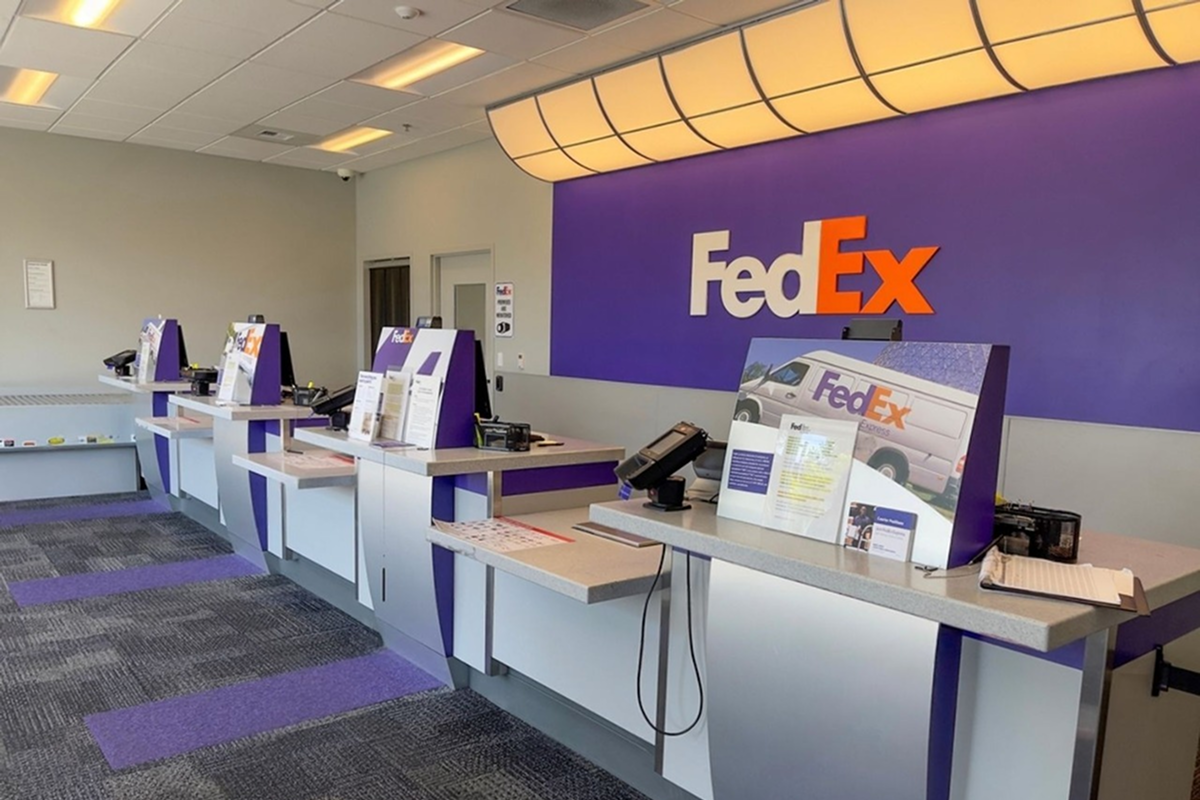
FedEx is accelerating changes to its U.S. delivery infrastructure as the logistics giant continues adapting to a new environment shaped by shifting package volumes, higher operating costs, and changing consumer behavior. The company’s decision to close additional locations highlights the broader transformation taking place across the transportation and delivery sector.
The restructuring comes as major logistics providers reassess their networks following significant changes in e-commerce growth patterns and post-pandemic shipping trends. Companies are increasingly focused on creating more flexible and efficient systems capable of handling demand fluctuations while maintaining profitability.
FedEx Adjusts Its Network Strategy to Improve Efficiency
The closure of additional U.S. facilities is part of FedEx’s ongoing effort to optimize how packages move through its delivery network. Rather than maintaining the same physical footprint developed during periods of rapid e-commerce expansion, the company is seeking to consolidate operations and improve resource allocation.
Network optimization has become a central priority for logistics companies as they attempt to balance service reliability with cost management. By redesigning distribution routes and adjusting facility usage, FedEx aims to create a more efficient operating structure.
Logistics Industry Faces New Demand Patterns
The delivery sector has experienced a significant shift since the exceptional growth period during the pandemic years. While online commerce remains an important driver of package demand, growth rates have moderated, requiring companies to reconsider capacity planning and infrastructure investments.
At the same time, logistics providers face pressure from labor expenses, fuel costs, and increased competition. These challenges have encouraged companies to invest in automation, technology, and smarter supply chain management to improve productivity.
Investors Monitor Cost Discipline and Long-Term Transformation
For investors, FedEx’s restructuring efforts represent a broader focus on operational discipline and profitability. The company’s ability to reduce costs while maintaining service quality will remain an important factor in evaluating its long-term performance.
The changes also reflect a wider trend among transportation companies, where scale alone is no longer sufficient and operational flexibility has become increasingly important. Companies that successfully adapt their networks may gain advantages as the logistics sector enters a more mature phase.
Looking ahead, attention will remain focused on FedEx’s progress in implementing its network changes, the impact on operating margins, and the broader direction of global shipping demand. The company’s restructuring provides insight into how traditional logistics leaders are responding to a more competitive and technology-driven marketplace.
Comparison, examination, and analysis between investment houses
Leave your details, and an expert from our team will get back to you as soon as possible
* This article, in whole or in part, does not contain any promise of investment returns, nor does it constitute professional advice to make investments in any particular field.
To read more about the full disclaimer, click here
- Ronny Mor
- •
- 5 Min Read
- •
- ago 26 minutes
SKN | Anthropic’s Revenue Surge Highlights the Growing Commercial Power of Generative AI
Anthropic’s rapid revenue expansion demonstrates the accelerating commercialization of artificial intelligence, as businesses increasingly adopt advanced AI models for
- ago 26 minutes
- •
- 5 Min Read

Anthropic’s rapid revenue expansion demonstrates the accelerating commercialization of artificial intelligence, as businesses increasingly adopt advanced AI models for

- omer bar
- •
- 6 Min Read
- •
- ago 3 hours
SKN | Can AI Run a Business? Claude’s Retail Experiment Highlights the Future of Workplace Automation
Artificial intelligence is increasingly moving from digital environments into real-world business operations, with Anthropic’s Claude becoming part of an
- ago 3 hours
- •
- 6 Min Read

Artificial intelligence is increasingly moving from digital environments into real-world business operations, with Anthropic’s Claude becoming part of an

- sagi habasov
- •
- 6 Min Read
- •
- ago 6 hours
SKN | Hang Seng Index (^HSI) Retreats 1.10% Daily to 25,116.85 as 2.15% Weekly Pullback Tests Support
The Hang Seng Index (^HSI) finished the trading session on August 14, 2026, lower, dropping 1.10% (279.66 points) to
- ago 6 hours
- •
- 6 Min Read

The Hang Seng Index (^HSI) finished the trading session on August 14, 2026, lower, dropping 1.10% (279.66 points) to

- orshu
- •
- 6 Min Read
- •
- ago 6 hours
SKN | SSE Composite Index (000001.SS) Advances 0.01% Daily to 3,927.18 as 0.33% Weekly Pullback Holds Above 3,903 Low
The SSE Composite Index (000001.SS) finished the trading session on August 14, 2026, on a steady note, advancing 0.01%
- ago 6 hours
- •
- 6 Min Read
The SSE Composite Index (000001.SS) finished the trading session on August 14, 2026, on a steady note, advancing 0.01%


