




- Arik Arkadi Sluzki
- •
- 6 Min Read
- •
- 10 seconds ago


Key Points
- The Federal Reserve faces a difficult policy balance as persistent inflation pressures and elevated oil prices complicate the outlook for interest rates.
- JPMorgan expects equities to remain relatively resilient if monetary tightening is measured and corporate earnings continue to provide fundamental support.
- For global and Israeli investors, the Fed's decision, Treasury yields, the U.S. dollar, and geopolitical energy risks remain key variables for portfolio positioning.
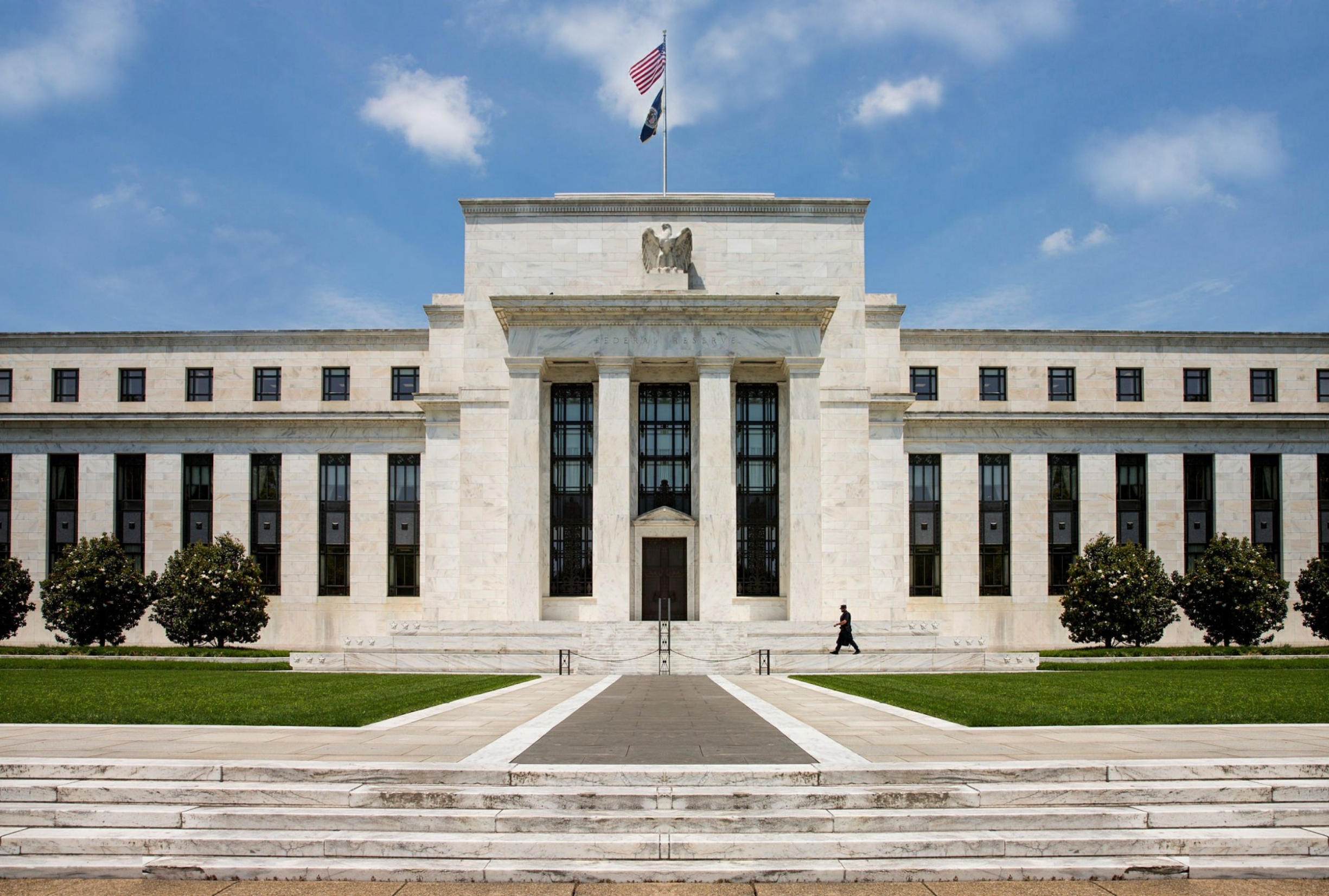
The Federal Reserve enters Wednesday’s policy decision facing an increasingly delicate balance between persistent inflation pressures and the need to preserve economic stability. Markets are particularly sensitive to how policymakers communicate the future path of interest rates, with the decision itself potentially less important for equities than the accompanying guidance on inflation, growth, and monetary policy.
Fed Policy Creates a Narrow Path for Markets
Recent inflation developments and elevated energy prices have complicated the disinflation narrative, while higher Treasury yields have already increased the cost of capital across financial markets. Major banks, including JPMorgan, have shifted toward expectations for additional monetary tightening after stronger-than-expected inflation data challenged assumptions that price pressures would continue to moderate without further policy action. JPMorgan currently expects quarter-point rate increases in September and December, reflecting its assessment that inflation risks remain material.
For equity investors, the challenge is that a more hawkish Fed could reinforce upward pressure on bond yields and weigh on valuation multiples, particularly in rate-sensitive growth stocks. Conversely, a policy approach that appears sufficiently restrictive to contain inflation without undermining economic activity could reduce uncertainty and help markets absorb higher borrowing costs.
Corporate Earnings Could Offset Rate Pressure
JPMorgan’s market strategists have argued that equities may remain relatively resilient even if interest rates rise, provided corporate earnings growth remains solid and inflation expectations stay contained. That view reflects the importance of earnings as a counterweight to higher discount rates, particularly for companies with strong cash generation and pricing power.
Nevertheless, the market’s tolerance for higher yields may not be unlimited. The 10-year U.S. Treasury yield has recently moved toward historically elevated levels, while crude oil above $100 per barrel has added another potential source of inflationary pressure. These developments could make it harder for equity valuations to expand even if corporate fundamentals remain relatively healthy.
Implications for Israeli and Global Investors
For Israeli investors, the Federal Reserve’s policy direction extends beyond U.S. equities. Changes in Treasury yields and the U.S. dollar can influence global capital flows, emerging-market currencies, international bond valuations, and the relative attractiveness of equities across regions.
Israeli portfolios may also remain sensitive to movements in global energy prices and geopolitical risk premiums. Higher oil prices could sustain inflationary pressures internationally, while a stronger dollar could create additional currency effects for investors whose portfolios are ultimately measured in shekels. The combination makes the Fed’s communication particularly important for asset allocators assessing international exposure.
Outlook: The immediate market focus will likely shift from the rate decision itself to the Fed’s forward guidance, inflation assessment, and signals regarding additional tightening. A measured approach combined with resilient earnings could allow equities to absorb higher rates relatively well, while a more hawkish message could increase pressure on valuations and bond-sensitive sectors. Rising oil prices, fiscal uncertainty, elevated Treasury yields, and geopolitical developments remain important downside risks. For professional investors, the coming sessions may therefore provide a clearer indication of whether markets can continue to accommodate tighter financial conditions without a broader reassessment of equity valuations.
Comparison, examination, and analysis between investment houses
Leave your details, and an expert from our team will get back to you as soon as possible
* This article, in whole or in part, does not contain any promise of investment returns, nor does it constitute professional advice to make investments in any particular field.
To read more about the full disclaimer, click here
- sagi habasov
- •
- 7 Min Read
- •
- ago 12 minutes
SKN | Saudi Pipeline Disruption Tests Global Oil Supply Resilience as U.S. Officials Expect Short Interruption
Global energy markets are once again balancing the prospect of a temporary supply interruption against the broader risks created
- ago 12 minutes
- •
- 7 Min Read

Global energy markets are once again balancing the prospect of a temporary supply interruption against the broader risks created

- orshu
- •
- 6 Min Read
- •
- ago 2 hours
SKN | European Markets Close Lower as Investors Weigh Broad Risk Signals
European markets ended September 15 on a broadly weaker footing, with every major benchmark in the supplied market snapshot
- ago 2 hours
- •
- 6 Min Read

European markets ended September 15 on a broadly weaker footing, with every major benchmark in the supplied market snapshot
- orshu
- •
- 6 Min Read
- •
- ago 5 hours
SKN | US Stocks Edge Lower as Dollar Gains and Investors Assess Market Risks
US equity markets are trading lower on September 15 as investors adopt a more cautious stance across major benchmarks.
- ago 5 hours
- •
- 6 Min Read

US equity markets are trading lower on September 15 as investors adopt a more cautious stance across major benchmarks.
- orshu
- •
- 6 Min Read
- •
- ago 10 hours
SKN | Tel Aviv Stocks Slide Sharply as TA-90 Falls 1.61% and Market Breadth Deteriorates
Tel Aviv stocks are facing broad and significant selling pressure, with every major benchmark in the supplied market data trading
- ago 10 hours
- •
- 6 Min Read

Tel Aviv stocks are facing broad and significant selling pressure, with every major benchmark in the supplied market data trading
