


- sagi habasov
- •
- 6 Min Read
- •
- 15 seconds ago
Key Points
- Elevated interest rates and a strong U.S. dollar continue to outweigh gold’s traditional safe-haven appeal.
- Gold’s underperformance relative to copper highlights investor preference for assets tied to economic growth and industrial demand.
- A sustained rally in gold will likely require lower energy prices, easing inflation pressures, and a shift toward monetary policy easing.
Macro Conditions Continue to Limit Gold’s Upside
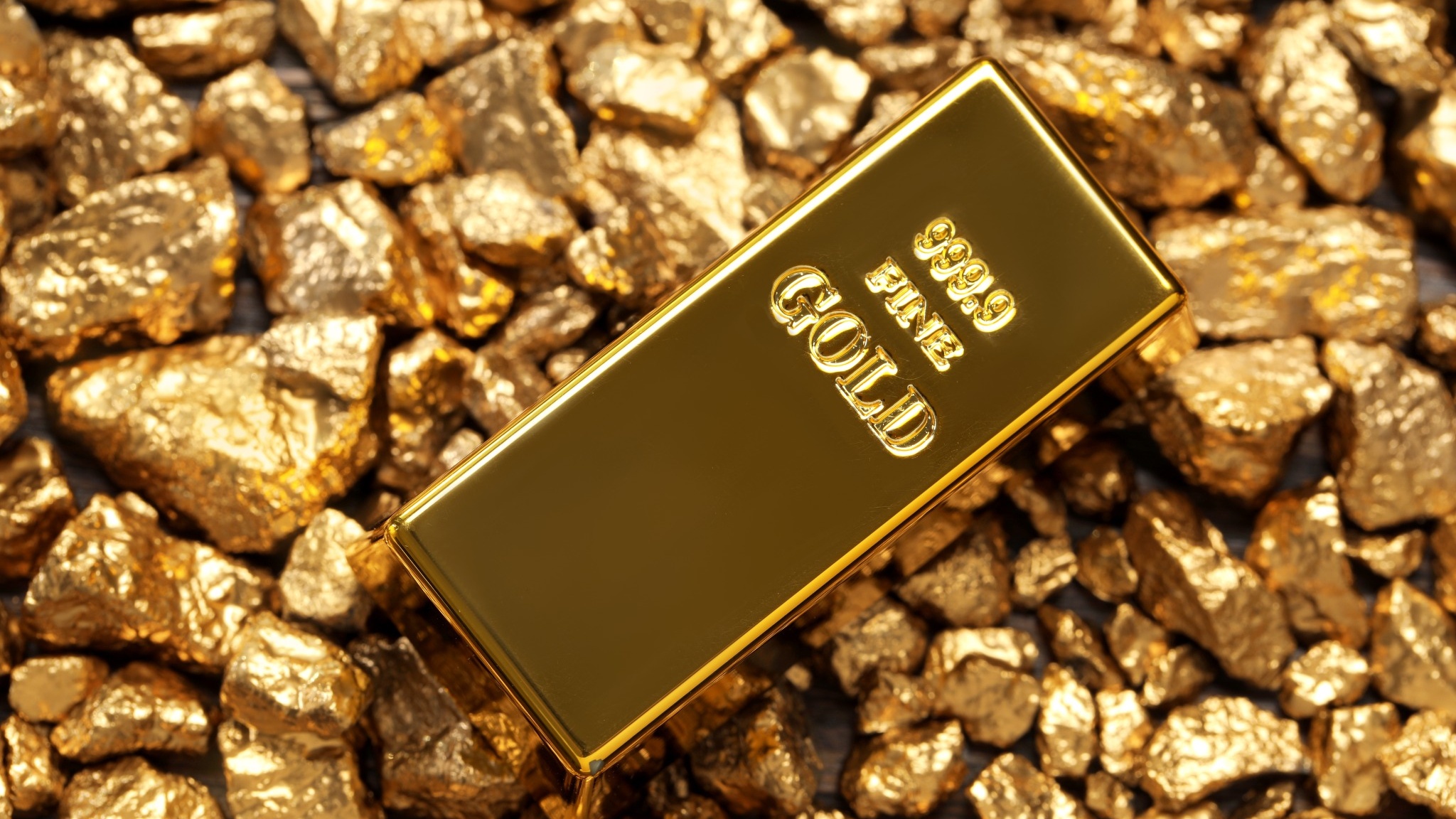
Gold prices have fallen to a multi-week low as investors navigate an environment defined by elevated real yields, a resilient U.S. dollar, and uncertain inflation expectations. Spot gold has slipped below the $4,300 level, while futures contracts have posted even steeper declines. Although gold remains one of the market’s primary defensive assets, safe-haven demand has not been sufficient to offset the impact of restrictive monetary conditions. Investors continue to expect central banks to maintain relatively tight policy settings, reducing the appeal of non-yielding assets. As a result, gold has struggled to establish a sustained upward trend despite ongoing geopolitical uncertainty and concerns about long-term currency debasement.
Copper’s Outperformance Reflects a Different Market Narrative
One of the clearest signals in commodity markets this year has been the divergence between copper and gold. Copper futures have gained roughly 15.6% year-to-date, compared with gold’s increase of around 3.5%. The difference reflects investor preference for assets linked to industrial activity, infrastructure spending, and supply constraints. Copper has benefited from strong U.S. demand and concerns surrounding future availability, while gold remains largely dependent on expectations for inflation and interest rates. This dynamic suggests that capital is currently flowing toward commodities associated with economic expansion rather than traditional defensive assets, limiting gold’s ability to attract incremental investment flows.
Lower Energy Prices Could Improve the Inflation Outlook
According to Jefferies, a decline in oil prices represents one of the most important catalysts for a recovery in gold. Elevated energy costs continue to support inflationary pressures and complicate the policy outlook for central banks. As long as inflation remains a concern, policymakers are likely to remain cautious about signaling interest-rate cuts. Lower oil prices would help ease inflation expectations and provide greater flexibility for monetary authorities. Such a development could encourage markets to price in a more accommodative policy environment, a scenario that has historically supported gold by reducing real yields and lowering the opportunity cost of holding non-income-generating assets.
Monetary Easing Remains the Key Trigger for a New Rally
Jefferies maintains its long-term forecast of $5,200 per ounce by 2027, but argues that gold’s next major advance will require a broader macroeconomic shift. A formal resolution to the U.S.-Iran conflict could help stabilize energy markets and reduce geopolitical risk premiums. Combined with lower oil prices, such a development could improve inflation dynamics and strengthen the case for monetary easing. Most importantly, a credible shift toward lower interest rates from major central banks would reduce real yields and improve gold’s relative attractiveness versus yield-bearing assets. Without these developments, macroeconomic headwinds are likely to continue overshadowing the metal’s longer-term structural strengths.
The next phase for gold will depend largely on developments in energy markets, inflation trends, and central bank policy decisions. Investors will be watching closely for signs that real yields have peaked and that monetary conditions are becoming less restrictive. Until those signals emerge, gold may remain range-bound despite its constructive long-term outlook. A convergence of these catalysts, however, could provide the foundation for a renewed upward trend.
Comparison, examination, and analysis between investment houses
Leave your details, and an expert from our team will get back to you as soon as possible
* This article, in whole or in part, does not contain any promise of investment returns, nor does it constitute professional advice to make investments in any particular field.
To read more about the full disclaimer, click here
- omer bar
- •
- 7 Min Read
- •
- ago 13 hours
SKN | Oil Markets Shake as Iran Strikes Israel — Are Energy Prices Entering a New Volatility Phase?
Global oil prices climbed sharply after Iran launched a missile attack on Israel, escalating geopolitical tensions across the Middle East
- ago 13 hours
- •
- 7 Min Read

Global oil prices climbed sharply after Iran launched a missile attack on Israel, escalating geopolitical tensions across the Middle East
- Ronny Mor
- •
- 8 Min Read
- •
- ago 2 days
SKN | Why the Red Sea Chokepoint Has Become One of the Oil Market’s Biggest Strategic Risks
Geopolitical tensions in the Middle East are once again drawing attention to the security of critical maritime trade routes.
- ago 2 days
- •
- 8 Min Read
Geopolitical tensions in the Middle East are once again drawing attention to the security of critical maritime trade routes.

- orshu
- •
- 8 Min Read
- •
- ago 3 days
SKN | Gold Tumbles as Strong U.S. Jobs Data Revives Interest Rate Hike Concerns
Gold prices came under significant pressure as investors reacted to stronger U.S. employment data that reinforced concerns about the
- ago 3 days
- •
- 8 Min Read
Gold prices came under significant pressure as investors reacted to stronger U.S. employment data that reinforced concerns about the
- Ronny Mor
- •
- 7 Min Read
- •
- ago 4 days
SKN | Oil Prices Stabilize After Early Weekly Decline as Peace Talk Optimism Supports Sentiment
Oil prices traded in a relatively narrow range after experiencing an early-week decline, as sentiment improved following renewed optimism around
- ago 4 days
- •
- 7 Min Read
Oil prices traded in a relatively narrow range after experiencing an early-week decline, as sentiment improved following renewed optimism around

