


- orshu
- •
- 7 Min Read
- •
- 4 months ago
Key Points
- Euro-zone inflation is approaching the European Central Bank’s 2% target, reinforcing expectations that the ECB will maintain interest rates at current levels.
- Cooling price pressures come as growth remains subdued, creating a delicate balance for policymakers assessing when to shift toward rate cuts.
- Global markets — including Israeli fixed-income investors — are monitoring euro-area data for signals on global monetary easing cycles.
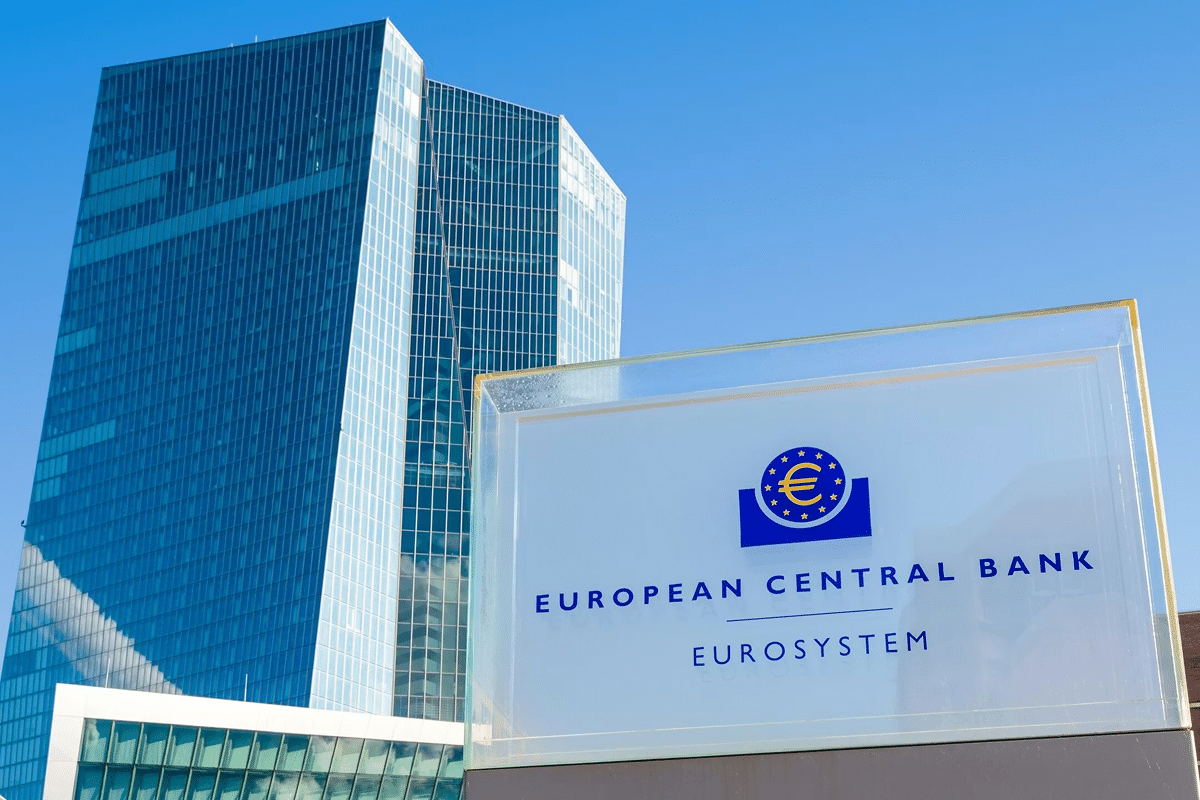
Euro-zone inflation eased closer to the European Central Bank’s 2% target, bolstering the case for policymakers to hold interest rates steady in the coming months. The latest data comes as growth in the bloc remains fragile, with weak industrial output and subdued consumer sentiment tempering the inflation slowdown. For global markets, the convergence toward 2% strengthens expectations that the ECB will maintain a conservative stance while preparing for potential easing later in 2025 — a key factor influencing bond yields, currency dynamics, and capital flows.
Inflation cools, but economic softness complicates policy timing
The euro area’s headline inflation has steadily declined from double-digit highs seen in 2022, driven by falling energy costs, improved supply-chain conditions, and moderating services inflation. Core inflation — closely watched by the ECB — has also softened, though wage growth remains high in several member states. Policymakers face a complex backdrop: while inflation appears increasingly under control, economic growth remains stagnation-prone, raising the risk that tight monetary policy could further weigh on output.
ECB officials have reinforced that rate cuts will only be considered once inflation is deemed sustainably aligned with the target. With services prices still sticky and geopolitical risks — including energy market disruptions — lingering, the central bank is hesitant to move prematurely. The result is a policy stance that supports stability but risks prolonging economic weakness across major economies such as Germany and Italy.
Market reaction across bonds, currencies, and risk assets
Bond markets responded cautiously to the latest inflation data, with euro-zone government yields dipping slightly as investors positioned for an extended rate hold. German Bund yields fell modestly, while peripheral spreads — particularly for Italy and Spain — tightened as the market perceived reduced risk of further tightening. For Israeli investors active in European sovereign and corporate debt, a stable ECB outlook offers greater visibility on duration and currency exposure.
The euro remained relatively steady against the U.S. dollar, though sentiment tilts dovish as U.S. growth outpaces Europe’s. A stronger-than-expected slowdown in euro-zone inflation could weigh on the currency in the months ahead, especially if investors expect the Federal Reserve to delay its own rate cuts. Equity markets saw mixed performance: banks faced mild downward pressure due to margin compression risks, while consumer and industrial shares benefited from expectations of a more stable cost environment.
Strategic implications for the ECB and global monetary cycles
The ECB now finds itself navigating a narrow path: inflation progress supports policy stability, yet weak growth raises the possibility of economic scarring if rates remain restrictive for too long. Analysts note that central banks globally are entering a phase marked by asynchronous rate cycles, with the Federal Reserve, the Bank of England, and the ECB each responding to distinct macroeconomic conditions.
For Israel’s policymakers and institutional investors, euro-zone developments remain relevant. European economic performance directly affects global trade flows, energy dynamics, and investment allocations. A sustained ECB rate hold may influence expectations for Bank of Israel policy, especially if global easing cycles diverge during the coming year.
Looking ahead, markets will focus on wage negotiations in major euro-zone economies, energy-price volatility, and whether core inflation continues to drift downward. If the disinflation trend remains intact, the ECB may signal a more dovish stance later in 2025 — but policymakers will seek assurance that inflation stability is durable. Until then, investors should expect cautious communication, steady rates, and a continued emphasis on safeguarding credibility while navigating a fragile recovery.
Comparison, examination, and analysis between investment houses
Leave your details, and an expert from our team will get back to you as soon as possible
* This article, in whole or in part, does not contain any promise of investment returns, nor does it constitute professional advice to make investments in any particular field.
To read more about the full disclaimer, click here
- sagi habasov
- •
- 9 Min Read
- •
- ago 4 hours
SKN | Is “Mild Stagflation” the New Reality as Oil Stays Near $100 Amid Iran War Disruptions?
Bank of America has sharply revised its global economic outlook, warning that the ongoing Iran conflict is driving a “mild
- ago 4 hours
- •
- 9 Min Read

Bank of America has sharply revised its global economic outlook, warning that the ongoing Iran conflict is driving a “mild

- Ronny Mor
- •
- 7 Min Read
- •
- ago 4 hours
SKN | Why Are US Stock Futures Falling Despite Easing Oil Prices Amid Iran War Uncertainty?
US equity futures moved lower Thursday morning as markets reacted to continued uncertainty surrounding the US-Israeli conflict with Iran. Despite
- ago 4 hours
- •
- 7 Min Read

US equity futures moved lower Thursday morning as markets reacted to continued uncertainty surrounding the US-Israeli conflict with Iran. Despite
- Ronny Mor
- •
- 8 Min Read
- •
- ago 5 hours
SKN | Oil Above $105 and Stocks Slide — Are Markets Pricing a Prolonged Iran Conflict?
Global financial markets reacted sharply to renewed geopolitical uncertainty after President Donald Trump signaled that the conflict with Iran may
- ago 5 hours
- •
- 8 Min Read

Global financial markets reacted sharply to renewed geopolitical uncertainty after President Donald Trump signaled that the conflict with Iran may

- Lior mor
- •
- 9 Min Read
- •
- ago 6 hours
SKN | Why Does the S&P 500 Routinely Collapse Before the Weekend Amid Geopolitical Tensions?
The S&P 500 is exhibiting an increasingly structured behavioral pattern as geopolitical tensions in the Middle East ripple through global
- ago 6 hours
- •
- 9 Min Read

The S&P 500 is exhibiting an increasingly structured behavioral pattern as geopolitical tensions in the Middle East ripple through global

