




- Ronny Mor
- •
- 6 Min Read
- •
- 19 seconds ago


Key Points
- Inflation Milestone: Euro zone headline inflation accelerated to 4.0% in October, matching consensus estimates and marking its highest level since September 2023.
- Energy Cost Surge: Severe supply pressures pushed energy inflation to an annualized 20.8%, serving as the primary catalyst behind the currency bloc's price spike.
- Monetary Policy Dilemma: Interest rate markets now price an over 72% probability of a policy rate hike in December, even as fiscal and political unrest in France constrains central bank flexibility.
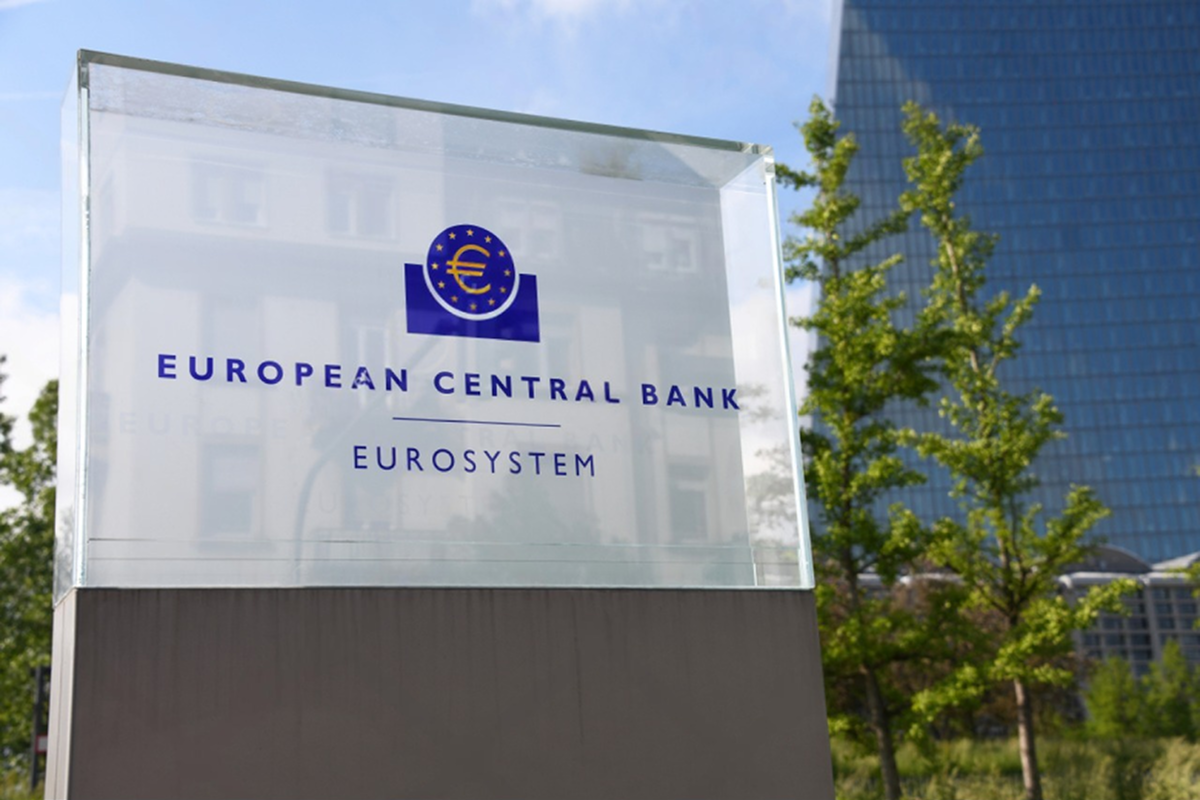
In this macro analysis, we review the drivers pushing euro zone inflation to a three-year peak, examine price divergence across member states, and evaluate the monetary and geopolitical constraints confronting the European Central Bank ahead of its final policy meeting of the year.
Price pressures across the euro area intensified sharply in October, with flash harmonized headline inflation advancing to an annualized 4.0%, up from 3.8% in September. The print marks the first time consumer prices have reached or surpassed the 4% threshold since September 2023, when headline inflation stood at 4.3%. The data reinforces the currency bloc’s persistent vulnerability to imported supply shocks and presents Frankfurt with an acute operational trade-off: tightening borrowing conditions to stabilize consumer prices while avoiding sovereign debt fragmentation across member economies.
Underlying Inflation Drivers and Geographic Dispersion
The acceleration in the headline index was predominantly fueled by soaring energy prices, with annual energy inflation jumping to 20.8% from 18.9% in the prior month. As a structural net importer of energy commodities, the European economy remains directly exposed to external disruptions exacerbated by the prolonged Iran war. Beyond headline energy volatility, wide divergence persists across the bloc’s 21 member nations: Lithuania recorded the highest annualized inflation print at 6.1%, whereas Malta registered the lowest at 2.3%. Crucially, every euro area economy continues to print above the European Central Bank’s 2.0% medium-term target, despite policymakers noting that core inflation measures and domestic wage growth have remained broadly stable.
Market Repositioning and the ECB’s Sovereign Debt Constraints
Financial markets adjusted swiftly to the release. The euro gained 0.6% against the U.S. dollar, supported in part by broad dollar softening during the ongoing U.S. midterm election ballot counts, while benchmark German 10-year bund yields ticked slightly higher. Rate derivative pricing shifted from a 71.8% pre-release probability to an over 72% likelihood of a rate increase at the ECB’s December gathering, following the governing council’s decision to leave the benchmark deposit rate unchanged at 2.5% last month. However, market strategists note that ongoing turbulence and political uncertainty in the French sovereign bond market present a critical barrier, as widening spreads limit the central bank’s capacity to pursue aggressive quantitative or policy tightening without destabilizing sovereign borrowing costs.
The ECB’s looming rate decision underscores an evolution from managing broad consumer demand to navigating systemic financial fragility. While raw price data warrants monetary tightening, widening sovereign yield spreads and fiscal pressures in core European economies require a highly calibrated response. December’s policy meeting will serve as a definitive gauge of whether central bankers prioritize structural price stability or pivot toward preserving sovereign debt cohesion in an increasingly fractured macroeconomic environment.
Comparison, examination, and analysis between investment houses
Leave your details, and an expert from our team will get back to you as soon as possible
* This article, in whole or in part, does not contain any promise of investment returns, nor does it constitute professional advice to make investments in any particular field.
To read more about the full disclaimer, click here
- Lior mor
- •
- 13 Min Read
- •
- ago 2 days
SKN | US Midterms: The President Isn’t on the Ballot His Economic Agenda Is
The US holds national congressional elections every two years, even when the president is not up for re-election. The vote
- ago 2 days
- •
- 13 Min Read

The US holds national congressional elections every two years, even when the president is not up for re-election. The vote

- Ronny Mor
- •
- 8 Min Read
- •
- ago 4 days
SKN | The US Corporate Debt Maturity Wall: $1.9 Trillion in Speculative-Grade Debt Faces Refinancing Pressure
US companies are approaching a substantial corporate debt refinancing period, with approximately $1.9 trillion in speculative-grade bonds and loans
- ago 4 days
- •
- 8 Min Read

US companies are approaching a substantial corporate debt refinancing period, with approximately $1.9 trillion in speculative-grade bonds and loans
- Ronny Mor
- •
- 6 Min Read
- •
- ago 5 days
SKN | Fed’s Logan Calls for Two More Rate Hikes as Inflation Remains Above Target
Federal Reserve policy is facing renewed pressure to tighten as policymakers assess persistent inflation and the risks of allowing
- ago 5 days
- •
- 6 Min Read

Federal Reserve policy is facing renewed pressure to tighten as policymakers assess persistent inflation and the risks of allowing

- omer bar
- •
- 6 Min Read
- •
- ago 5 days
SKN | U.S. Employment Costs Rise 3.4% Annually as Wage Growth Remains Below Headline Inflation
Employment Costs Continue to Increase The U.S. Employment Cost Index recorded a 0.8% increase in the third quarter of 2026,
- ago 5 days
- •
- 6 Min Read

Employment Costs Continue to Increase The U.S. Employment Cost Index recorded a 0.8% increase in the third quarter of 2026,
