





- sagi habasov
- •
- 7 Min Read
- •
- 23 seconds ago


Key Points
- European Central Bank policymakers are expected to raise interest rates in September as higher energy prices and inflationary pressures complicate the euro zone’s outlook.
- Despite the expected hike, policymakers reportedly have limited appetite to signal additional rate increases, reflecting uncertainty over the duration of the energy shock and its impact on economic growth.
- Investors will focus on inflation data, energy prices and developments surrounding the conflict with Iran for clues about the ECB’s next policy steps and the direction of European markets.
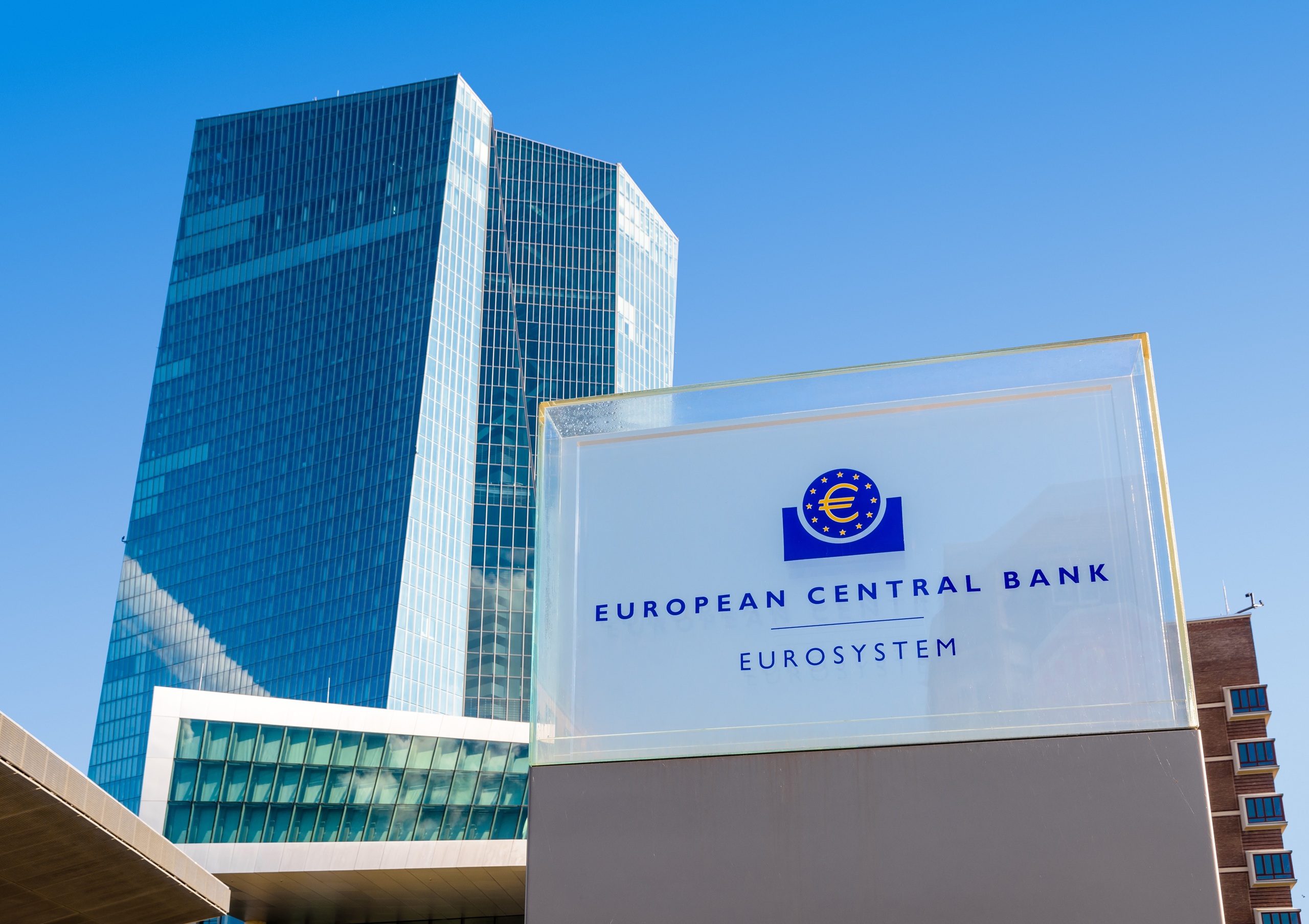
The European Central Bank is expected to raise interest rates at its September meeting, seeking to contain inflationary pressures linked to the conflict with Iran, but policymakers appear reluctant to signal further increases. The decision comes after the ECB raised rates in June for the first time in almost three years, as higher energy prices continue to create additional inflation risks across the euro zone.
ECB Moves Toward Another September Rate Increase
ECB policymakers believe conditions warrant another rate increase in September, which would lift the deposit rate from 2.25% to 2.50%. Inflation in the euro zone is approaching 3%, while the conflict with Iran remains ongoing and the European economy is showing signs of resilience.
Higher natural-gas and fuel prices are a key factor behind the decision. The euro zone remains heavily dependent on imported energy, meaning a prolonged increase in commodity prices could feed into transportation, manufacturing and service costs and broaden price pressures beyond the energy sector itself.
The ECB raised rates in June partly to prevent the current energy shock from spreading more widely through the economy, similar to the inflationary surge that followed Russia’s invasion of Ukraine in 2022. However, policymakers still assess medium-term inflation expectations as remaining close to the ECB’s 2% target.
Why Is the ECB Reluctant to Signal Further Rate Hikes?
Despite expectations for a September increase, policymakers reportedly have limited appetite to signal continued monetary tightening. One reason is that inflation driven by higher energy prices could prove temporary, while additional rate increases could weigh on demand and economic growth.
Recent data point to a relatively resilient European economy. Business activity in the euro zone accelerated in August, with the composite purchasing managers’ index rising to 52.1 from 52.0 in July. At the same time, the manufacturing gauge reached a 54-month high, while new orders increased at their fastest pace in more than three years.
However, inflation remains significantly above the ECB’s 2% target. This leaves the central bank facing a difficult balance between preventing price pressures from becoming entrenched and avoiding excessive restrictions on economic activity.
Energy Prices and Iran Conflict Remain Central to Inflation Outlook
Developments surrounding the conflict with Iran remain an important factor in Europe’s inflation outlook. Higher oil, gas and fuel prices could increase costs for households and businesses and create additional pressure on consumer-price measures in the coming months.
In forecasts published by the ECB in June, the central bank projected average inflation of 3.0% in 2026, 2.3% in 2027 and 2.0% in 2028. At the same time, its growth outlook was revised lower, with average growth projected at 0.8% in 2026, 1.2% in 2027 and 1.5% in 2028.
For investors in Israel and international markets, ECB policy can influence the euro, European bond yields, capital flows and the valuation of global assets. Interest-rate differentials between Europe and the United States may also affect foreign-exchange markets and broader market volatility.
Going forward, investors will focus on August inflation data, energy prices and developments surrounding the conflict with Iran ahead of the ECB’s September 9–10 meeting. While a rate increase may already be largely reflected in market pricing, the key question will be whether policymakers maintain a cautious approach after the hike or leave the door open to another round of monetary tightening.
Comparison, examination, and analysis between investment houses
Leave your details, and an expert from our team will get back to you as soon as possible
* This article, in whole or in part, does not contain any promise of investment returns, nor does it constitute professional advice to make investments in any particular field.
To read more about the full disclaimer, click here
- sagi habasov
- •
- 7 Min Read
- •
- ago 24 hours
SKN | Dollar Struggles for Momentum as Markets Weigh Iran Sanctions and Treasury Bond Buybacks
The US dollar is struggling to regain momentum as investors balance geopolitical developments surrounding Iran with growing attention to US
- ago 24 hours
- •
- 7 Min Read

The US dollar is struggling to regain momentum as investors balance geopolitical developments surrounding Iran with growing attention to US

- omer bar
- •
- 7 Min Read
- •
- ago 1 day
SKN | Dollar Gains as Iran Sanctions and New Canada Tariffs Reshape Currency Markets
The U.S. dollar strengthened on Monday after the Trump administration announced an expansion of sanctions on Iran, while renewed
- ago 1 day
- •
- 7 Min Read

The U.S. dollar strengthened on Monday after the Trump administration announced an expansion of sanctions on Iran, while renewed
- omer bar
- •
- 6 Min Read
- •
- ago 4 days
SKN | Traders Brace for a More Hawkish ECB as Inflation Risks Push Rate Expectations Higher
Financial markets are increasingly preparing for a more hawkish European Central Bank as persistent inflation risks and geopolitical tensions
- ago 4 days
- •
- 6 Min Read
Financial markets are increasingly preparing for a more hawkish European Central Bank as persistent inflation risks and geopolitical tensions

- Ronny Mor
- •
- 5 Min Read
- •
- ago 4 days
SKN | Global Stocks Head for Sharpest Weekly Decline Since July as Bond Yields and Oil Remain Elevated
Global equity markets were set for their sharpest weekly decline since mid-July on Friday as rising government bond yields
- ago 4 days
- •
- 5 Min Read
Global equity markets were set for their sharpest weekly decline since mid-July on Friday as rising government bond yields

