





- sagi habasov
- •
- 7 Min Read
- •
- 26 seconds ago


Key Points
- The US dollar remains near multi-month lows as investors assess expanded US sanctions against Iran and their potential impact on global trade and financial flows.
- Treasury plans to increase purchases of longer-dated bonds are influencing yields and raising questions about the future supply and demand dynamics of US government debt.
- Markets are also awaiting Federal Reserve policy signals, with upcoming central-bank commentary likely to shape expectations for interest rates and the dollar.
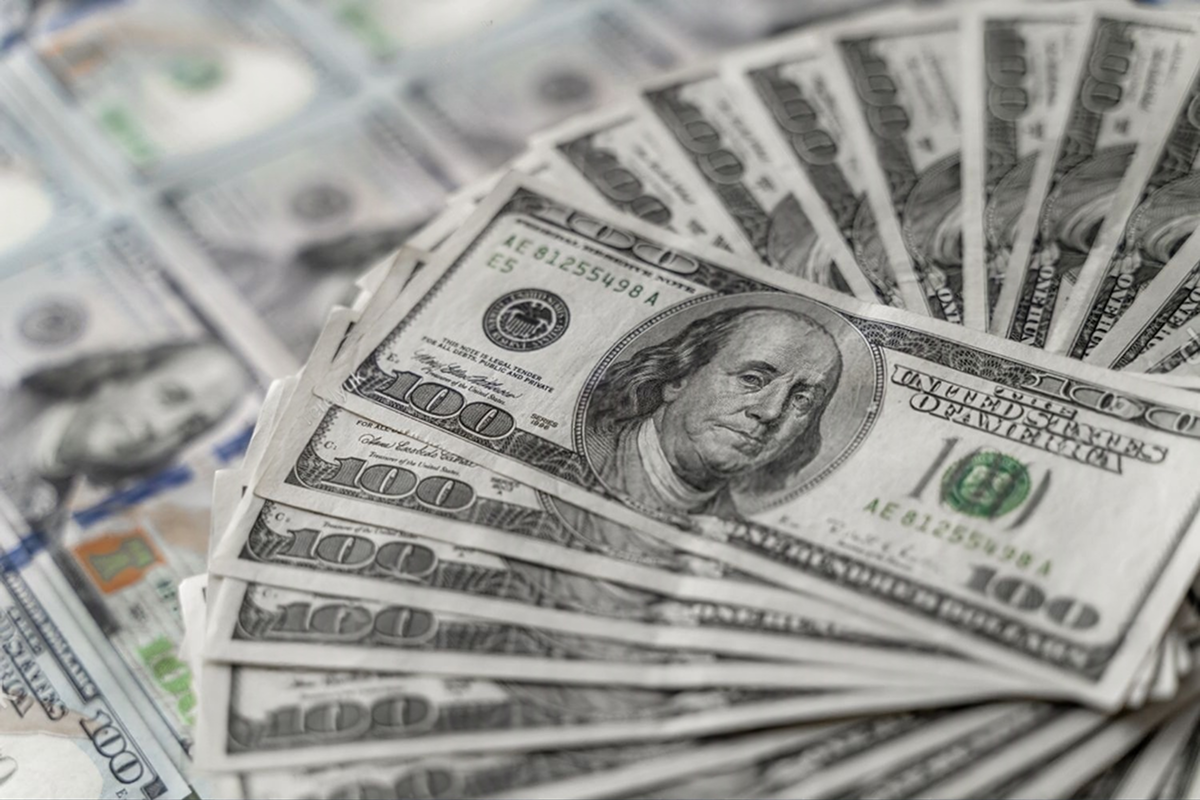
The US dollar is struggling to regain momentum as investors balance geopolitical developments surrounding Iran with growing attention to US Treasury debt-management policy. Although expanded sanctions initially supported the greenback, concerns over US fiscal conditions, Treasury bond buybacks and the Federal Reserve’s policy outlook are limiting the currency’s ability to extend gains.
Iran Sanctions Provide Only Limited Support for the Dollar
The dollar initially strengthened after Washington announced an expansion of sanctions targeting Iran and entities maintaining commercial relationships with Tehran. The measures could restrict access to the US financial system for companies and institutions that continue certain transactions with Iran, reinforcing the dollar’s role as a central instrument of US economic policy.
However, the initial boost to the currency proved difficult to sustain. The dollar index slipped to around 98.96 during Asian trading after earlier gains, while the euro remained near recent highs and sterling also traded close to elevated levels. The reaction suggests that investors are not treating the sanctions solely as a traditional safe-haven catalyst, particularly as uncertainty surrounding US economic and fiscal policy remains significant.
The impact of the sanctions will depend largely on their implementation and the response from major trading partners. If the measures disrupt energy markets or international trade more broadly, they could generate competing effects across currencies, commodities and inflation expectations.
Treasury Buybacks Add a New Variable for Bond Markets
A second major factor weighing on financial markets is the US Treasury’s plan to increase purchases of longer-dated government bonds. The Treasury has announced that it will double the size of its quarterly long-end buybacks to approximately $4 billion, with the strategy intended in part to improve liquidity and market functioning.
Reports that the Treasury could potentially use funds held in its General Account to support additional purchases have attracted particular attention. Such a move could reduce the amount of longer-term debt available in the market and place downward pressure on yields, although the broader implications for investor confidence and perceptions of US fiscal management remain uncertain.
For the dollar, the relationship is complicated. Lower long-term yields can reduce the currency’s relative appeal, while concerns over government debt and fiscal policy can also encourage investors to diversify into other currencies and assets.
Fed Policy Remains Critical for the Dollar Outlook
Attention is now shifting toward Federal Reserve policy signals, particularly ahead of the Jackson Hole economic symposium. Investors are looking for indications about the direction of interest rates and how policymakers assess inflation, economic growth and financial conditions.
Recent US economic data have provided some support for the dollar, but not enough to establish a sustained recovery. Meanwhile, the euro remained around $1.16, while the yen traded near 159 per dollar, illustrating the relatively strong positioning of several major currencies against the greenback.
For investors in Israel and other internationally exposed markets, the dollar’s direction remains important for exchange rates, imported inflation, commodities and cross-border capital flows. A weaker dollar can influence the shekel, global oil prices and the valuation of US assets for foreign investors.
Going forward, markets will monitor the implementation of Iran sanctions, Treasury buyback operations and Federal Reserve commentary. The dollar’s ability to recover will depend on whether geopolitical risks generate sustained demand for US assets or whether fiscal concerns, lower Treasury yields and expectations for monetary easing continue to limit its appeal.
Comparison, examination, and analysis between investment houses
Leave your details, and an expert from our team will get back to you as soon as possible
* This article, in whole or in part, does not contain any promise of investment returns, nor does it constitute professional advice to make investments in any particular field.
To read more about the full disclaimer, click here
- omer bar
- •
- 7 Min Read
- •
- ago 5 hours
SKN | Dollar Gains as Iran Sanctions and New Canada Tariffs Reshape Currency Markets
The U.S. dollar strengthened on Monday after the Trump administration announced an expansion of sanctions on Iran, while renewed
- ago 5 hours
- •
- 7 Min Read
The U.S. dollar strengthened on Monday after the Trump administration announced an expansion of sanctions on Iran, while renewed
- omer bar
- •
- 6 Min Read
- •
- ago 3 days
SKN | Traders Brace for a More Hawkish ECB as Inflation Risks Push Rate Expectations Higher
Financial markets are increasingly preparing for a more hawkish European Central Bank as persistent inflation risks and geopolitical tensions
- ago 3 days
- •
- 6 Min Read

Financial markets are increasingly preparing for a more hawkish European Central Bank as persistent inflation risks and geopolitical tensions

- Ronny Mor
- •
- 5 Min Read
- •
- ago 3 days
SKN | Global Stocks Head for Sharpest Weekly Decline Since July as Bond Yields and Oil Remain Elevated
Global equity markets were set for their sharpest weekly decline since mid-July on Friday as rising government bond yields
- ago 3 days
- •
- 5 Min Read
Global equity markets were set for their sharpest weekly decline since mid-July on Friday as rising government bond yields

- sagi habasov
- •
- 5 Min Read
- •
- ago 3 days
SKN | Dollar Weakens as Treasury Bond Buyback Plans Raise Currency Market Concerns
The US dollar weakened on Friday as currency markets reacted to concerns that expanded US Treasury buyback operations could
- ago 3 days
- •
- 5 Min Read
The US dollar weakened on Friday as currency markets reacted to concerns that expanded US Treasury buyback operations could

