





- Lior mor
- •
- 7 Min Read
- •
- 2 weeks ago
Key Points
- The U.S. dollar gained as investors sought safe-haven assets following heightened tensions between the United States and Iran.
- Brent crude oil approached the $90-per-barrel level on concerns that geopolitical risks could disrupt global energy supplies.
- Investors are closely monitoring inflation expectations, central bank policy, and the potential economic impact of sustained energy price increases.

The U.S. dollar strengthened while Brent crude oil climbed toward the $90-per-barrel mark as escalating tensions between the United States and Iran fueled demand for safe-haven assets and raised concerns about potential disruptions to global oil supplies. The renewed geopolitical uncertainty has rippled across currency, commodity, and equity markets, highlighting how regional conflicts can quickly influence global financial conditions.
Safe-Haven Demand Lifts the U.S. Dollar
Periods of geopolitical uncertainty often drive investors toward assets perceived as relatively stable, with the U.S. dollar remaining one of the world’s primary safe-haven currencies. As tensions intensified, market participants reduced exposure to higher-risk assets while increasing allocations to the dollar and U.S. government securities.
A stronger dollar can have broad implications for global markets. Emerging-market currencies often come under pressure when the greenback appreciates, while multinational companies may experience foreign exchange headwinds if overseas earnings translate into fewer dollars. Currency traders are also assessing whether prolonged geopolitical risks could reinforce the dollar’s position despite ongoing debates over future U.S. monetary policy.
For Israeli investors, fluctuations in the U.S. dollar are particularly significant given the close economic ties between Israel and the United States, as well as the impact exchange rates can have on international investments and import costs.
Brent Crude Near $90 Raises Inflation Concerns
Brent crude’s move toward $90 per barrel reflects growing concerns that any disruption to oil exports or shipping routes in the Middle East could tighten global energy supplies. The region remains a critical source of crude production, and even the perception of supply risks can trigger significant price movements.
Higher oil prices may create new inflationary pressures by increasing transportation, manufacturing, and logistics costs across the global economy. Businesses with high energy consumption could face rising operating expenses, while consumers may encounter higher fuel and utility bills if elevated crude prices persist.
Central banks are also likely to monitor developments closely. If energy-driven inflation proves persistent, policymakers could face greater challenges in balancing inflation control with economic growth, particularly in economies already experiencing uneven recoveries.
Global Markets Face Heightened Volatility
Beyond the energy market, escalating geopolitical tensions have increased volatility across equities, bonds, and commodities. Investors are reassessing corporate earnings expectations, especially for sectors sensitive to fuel costs, international trade, and supply chain disruptions.
Energy producers may benefit from stronger crude prices, while airlines, transportation companies, and industrial manufacturers could face margin pressure if higher energy costs cannot be fully passed on to customers. Meanwhile, defensive sectors and traditional safe-haven assets may continue attracting investor interest during periods of elevated uncertainty.
For Israel, developments in the Middle East carry additional significance due to regional proximity and their potential influence on investor sentiment, currency movements, and cross-border economic activity. Global portfolio managers will continue evaluating geopolitical developments alongside macroeconomic indicators when adjusting asset allocations.
Looking ahead, investors will closely monitor diplomatic developments between the United States and Iran, movements in global oil inventories, OPEC+ production policy, and shipping activity through key energy corridors. The trajectory of Brent crude, the U.S. dollar, inflation expectations, and central bank policy decisions will remain central to market direction as geopolitical risks continue shaping investor sentiment.
Comparison, examination, and analysis between investment houses
Leave your details, and an expert from our team will get back to you as soon as possible
* This article, in whole or in part, does not contain any promise of investment returns, nor does it constitute professional advice to make investments in any particular field.
To read more about the full disclaimer, click here
- Ronny Mor
- •
- 8 Min Read
- •
- ago 6 hours
SKN | The Bond Vigilantes: How Investors Are Doing the Federal Reserve’s Dirty Work
Capital markets in the United States are currently facing a fascinating dynamic where market forces are seizing the reins
- ago 6 hours
- •
- 8 Min Read
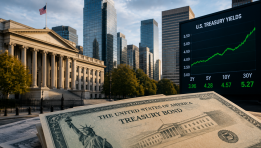
Capital markets in the United States are currently facing a fascinating dynamic where market forces are seizing the reins

- sagi habasov
- •
- 6 Min Read
- •
- ago 13 hours
SKN | Could a Coordinated U.S.-Japan Yen Strategy Reshape Global Markets?
Global investors are closely monitoring reports that the United States and Japan could unveil a coordinated initiative to strengthen
- ago 13 hours
- •
- 6 Min Read

Global investors are closely monitoring reports that the United States and Japan could unveil a coordinated initiative to strengthen
- sagi habasov
- •
- 6 Min Read
- •
- ago 1 day
SKN | Japan and the U.S. Reportedly Prepare Joint Yen Strategy as Currency Markets Face Rising Intervention Risk
The Japanese yen experienced a sharp rally after reports suggested that Japan and the United States could unveil a
- ago 1 day
- •
- 6 Min Read

The Japanese yen experienced a sharp rally after reports suggested that Japan and the United States could unveil a

- Lior mor
- •
- 6 Min Read
- •
- ago 2 days
SKN | S&P 500 Turns Lower as Rising Treasury Yields Pressure Global Equity Markets
The S&P 500 reversed earlier gains and turned lower as a renewed rise in the U.S. 10-year Treasury yield
- ago 2 days
- •
- 6 Min Read
The S&P 500 reversed earlier gains and turned lower as a renewed rise in the U.S. 10-year Treasury yield


