


- omer bar
- •
- 7 Min Read
- •
- 16 seconds ago
Key Points
- US dollar weakens as safe-haven demand fades amid improving global risk sentiment.
- Equity market strength and lower volatility reduce the need for defensive currency positioning.
- Interest rate expectations and global flows increasingly shape the dollar’s trajectory.
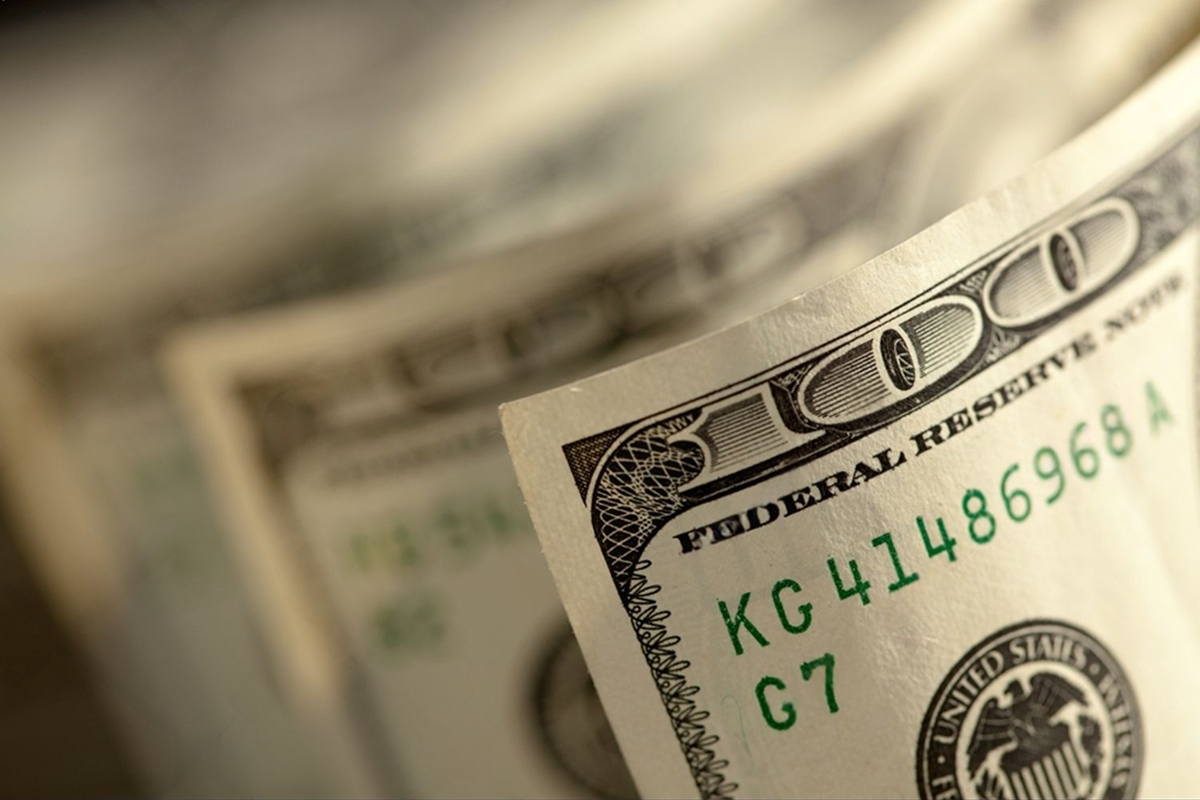
The US dollar is facing renewed pressure as investors scale back defensive positions, reflecting a shift in global market sentiment. With equity markets stabilizing and geopolitical risks easing, the traditional demand for the dollar as a safe-haven asset has weakened, prompting Wall Street to reassess its near-term outlook.
Fading Safe-Haven Demand Weighs on the Dollar
The dollar has long benefited from its status as the world’s primary reserve currency, particularly during periods of uncertainty. However, recent developments suggest that risk appetite is returning, reducing the need for capital preservation strategies centered on the greenback.
As geopolitical tensions show signs of cooling and financial markets recover, investors are reallocating capital toward higher-yielding and growth-oriented assets. This shift has led to a decline in demand for the dollar, which typically strengthens during times of stress.
At the same time, declining volatility indicators reinforce the view that markets are entering a more stable phase, further diminishing the appeal of defensive currency positions.
Interest Rates and Capital Flows Drive Currency Trends
Beyond sentiment, interest rate expectations remain a key driver of the dollar’s performance. While the Federal Reserve has maintained a relatively tight monetary stance, markets are increasingly pricing in the possibility of future rate adjustments as inflation trends evolve.
If rate differentials between the United States and other major economies narrow, the dollar could face additional pressure. Capital flows tend to move toward regions offering higher returns, and any shift in this dynamic can significantly impact currency valuations.
Moreover, global central banks are adjusting their policies in response to changing economic conditions, creating a more balanced landscape for currency competition. This environment challenges the dollar’s dominance, particularly in the short term.
Market Impact and Global Implications
A weaker dollar has broad implications across financial markets. For equities, it often acts as a supportive factor, particularly for multinational companies that benefit from more favorable currency translation effects. This dynamic can contribute to stronger performance in major indices.
In the commodities market, a softer dollar typically supports prices for assets such as oil and gold, as they become cheaper for holders of other currencies. This can influence energy stocks, mining companies, and inflation expectations.
For Israeli investors, currency movements are particularly relevant given the global nature of capital flows. A weaker dollar can impact exchange rates, import costs, and export competitiveness, influencing both corporate earnings and macroeconomic conditions.
The shift in dollar sentiment also reflects a broader rebalancing of global markets, where investors are increasingly diversifying across currencies and regions. This trend underscores the evolving nature of the international financial system.
Looking ahead, the direction of the dollar will depend on a combination of macroeconomic data, central bank policy decisions, and global risk sentiment. Investors will closely monitor inflation trends, interest rate signals from the Federal Reserve, and geopolitical developments. While the recent कमज कमज reflects reduced demand for safe-haven assets, any resurgence in uncertainty could quickly reverse the trend. At the same time, sustained improvements in global growth and stability may reinforce the current trajectory, shaping currency markets in the months ahead.
Comparison, examination, and analysis between investment houses
Leave your details, and an expert from our team will get back to you as soon as possible
* This article, in whole or in part, does not contain any promise of investment returns, nor does it constitute professional advice to make investments in any particular field.
To read more about the full disclaimer, click here
- Ronny Mor
- •
- 6 Min Read
- •
- ago 18 minutes
SKN | America’s Car-Mart Stock Surges: What’s Driving the Sudden Momentum?
America’s Car-Mart Inc. (CRMT) saw a notable surge in its share price, drawing investor attention as the company benefits
- ago 18 minutes
- •
- 6 Min Read

America’s Car-Mart Inc. (CRMT) saw a notable surge in its share price, drawing investor attention as the company benefits

- orshu
- •
- 6 Min Read
- •
- ago 1 hour
SKN | American Airlines Stock Jumps as Oil Eases — Can Lower Fuel Costs Sustain the Rally?
American Airlines Group Inc. (AAL) rose by 4.16 percent to close at 12.78 on April 17, outperforming broader indices
- ago 1 hour
- •
- 6 Min Read

American Airlines Group Inc. (AAL) rose by 4.16 percent to close at 12.78 on April 17, outperforming broader indices
- orshu
- •
- 8 Min Read
- •
- ago 6 hours
SKN | Friday, April 17, 2026 – Israel Markets Rebound Strongly After Selloff as Tel Aviv Indices Surge | Outlook for Next Trading Session
Israeli markets closed higher on April 17, 2026, staging a strong recovery following the sharp selloff seen in the prior
- ago 6 hours
- •
- 8 Min Read

Israeli markets closed higher on April 17, 2026, staging a strong recovery following the sharp selloff seen in the prior

- sagi habasov
- •
- 6 Min Read
- •
- ago 10 hours
SKN | Gold Extends Rally on US-Iran Truce Hopes—Safe Haven or Shifting Narrative?
Gold prices are on track for a fourth straight weekly advance, as investors respond to growing optimism surrounding a
- ago 10 hours
- •
- 6 Min Read
Gold prices are on track for a fourth straight weekly advance, as investors respond to growing optimism surrounding a

