




- Arik Arkadi Sluzki
- •
- 6 Min Read
- •
- 2 minutes ago


Key Points
- The U.S. dollar index rose 0.37% to 102.58, its highest level since April 2025, supported by safe-haven demand.
- Escalating Middle East tensions and volatile oil prices are keeping investors cautious ahead of key U.S. inflation data.
- Money markets price only a 22% chance of a Federal Reserve rate hike this month, while bullish dollar positions increased to $36 billion.
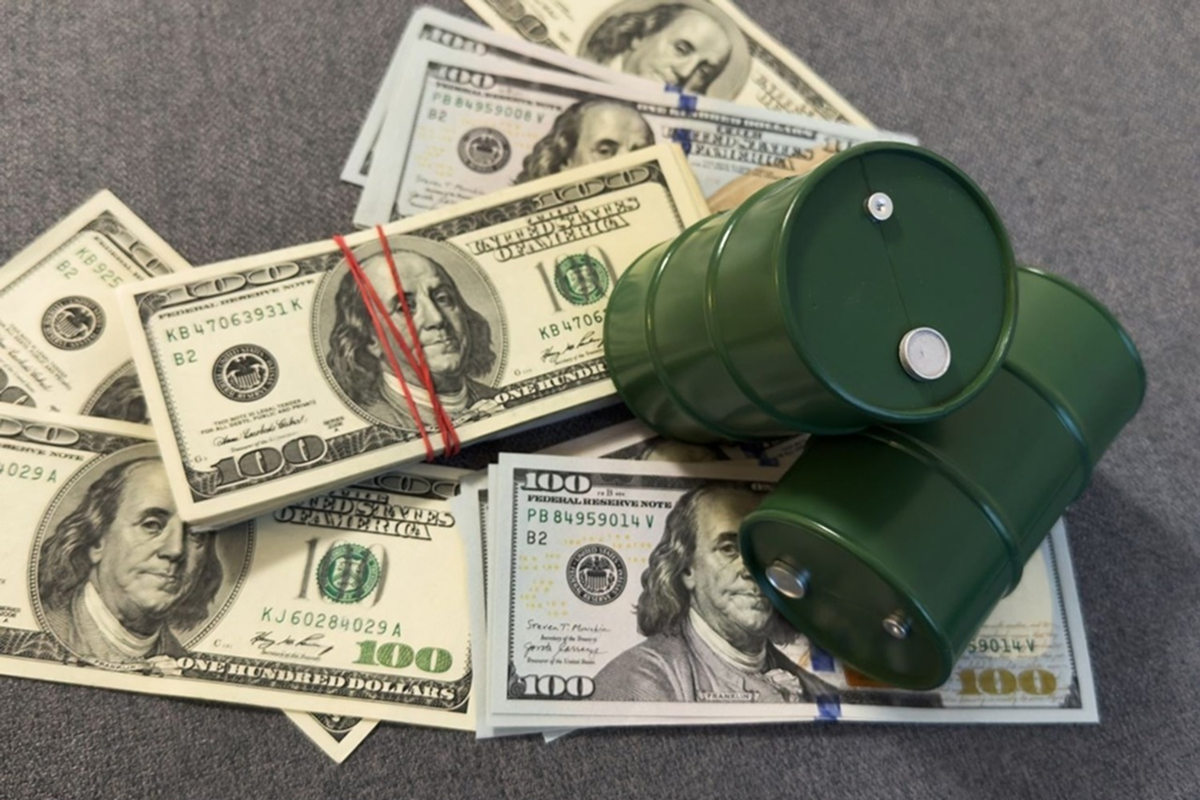
The U.S. dollar held near an 18-month high on Monday as investors sought the relative safety of the world’s dominant reserve currency amid escalating tensions in the Middle East. The dollar’s strength comes ahead of key U.S. inflation data, while volatile oil prices add another layer of uncertainty for markets assessing the outlook for inflation and Federal Reserve policy.
Safe-Haven Demand Supports the Dollar
The U.S. dollar index, which measures the currency against six major counterparts, rose 0.37% to 102.58, its highest level since April 2025. The advance reflects increased demand for the dollar as geopolitical risks intensified following attacks in the Middle East over the weekend.
The renewed geopolitical uncertainty is particularly significant for currency markets because investors often increase exposure to highly liquid assets during periods of heightened risk. The euro weakened as the dollar strengthened, illustrating how geopolitical developments can influence major currency pairs even before there is a clear change in monetary-policy expectations.
Oil Volatility Adds to Inflation Concerns
Energy markets remained unsettled after Yemen’s Iran-backed Houthis intensified strikes on Saudi Arabia and two tankers were attacked over the weekend. Oil prices consequently remained volatile, creating another source of uncertainty for investors already focused on the direction of U.S. inflation.
Higher energy prices can influence headline inflation and potentially complicate central-bank decisions. For financial markets, the combination of geopolitical risk and energy-price volatility means that upcoming inflation data could carry greater importance in determining expectations for interest rates and the broader economic outlook.
Fed Expectations Remain Relatively Restrained
Despite the dollar’s strength, money markets indicate that traders see only a 22% probability of a Federal Reserve rate hike this month. This suggests that the currency’s recent appreciation is being driven less by expectations of an immediate increase in U.S. interest rates and more by safe-haven demand and relative confidence in the U.S. market.
The distinction is important for investors because sustained dollar strength can emerge through different channels. A stronger currency supported by higher expected interest rates carries different implications from an advance driven primarily by geopolitical uncertainty. The upcoming inflation figures could therefore provide an important test of whether current currency-market positioning remains justified.
Investor Positioning Signals Growing Dollar Confidence
Market positioning also points toward stronger confidence in the dollar. Bullish dollar positions rose to $36 billion in the week ended October 7, according to the Reuters report. The increase indicates that investors have been building exposure to the currency as geopolitical risks and market uncertainty have intensified.
However, positioning itself can become an important source of volatility if incoming data contradicts prevailing expectations. Investors will therefore be watching U.S. inflation figures, developments in the Middle East and movements in oil prices for signals that could alter currency-market sentiment.
Going forward, the interaction between U.S. inflation, Federal Reserve expectations, oil prices and geopolitical risk will remain central to the dollar’s direction. A sustained escalation in energy-market pressures could reinforce safe-haven demand while complicating the inflation outlook, whereas softer U.S. price data could challenge current dollar positioning and reshape expectations for monetary policy.
Comparison, examination, and analysis between investment houses
Leave your details, and an expert from our team will get back to you as soon as possible
* This article, in whole or in part, does not contain any promise of investment returns, nor does it constitute professional advice to make investments in any particular field.
To read more about the full disclaimer, click here
- orshu
- •
- 6 Min Read
- •
- ago 1 minute
SKN | Oil Rally Pushes Dollar Higher as Markets Price Greater U.S. Rate Pressure
Oil prices rose on Monday as attacks in Saudi Arabia outweighed expectations for additional supplies, while the prospect of
- ago 1 minute
- •
- 6 Min Read

Oil prices rose on Monday as attacks in Saudi Arabia outweighed expectations for additional supplies, while the prospect of

- omer bar
- •
- 6 Min Read
- •
- ago 8 hours
SKN | U.S. Dollar Strengthens to 102.47 as Middle East Tensions and Inflation Data Drive Markets
Dollar Gains as Investors Seek Direction Amid Geopolitical Risks The U.S. dollar strengthened on Monday as investors weighed escalating geopolitical
- ago 8 hours
- •
- 6 Min Read

Dollar Gains as Investors Seek Direction Amid Geopolitical Risks The U.S. dollar strengthened on Monday as investors weighed escalating geopolitical
- orshu
- •
- 8 Min Read
- •
- ago 15 hours
SKN | Tel Aviv Stocks Fall Broadly as TA-90 Drops 1.37% and Selling Pressure Intensifies
Tel Aviv stocks are under broad selling pressure, with all eight major indices moving lower as declines spread across large-cap,
- ago 15 hours
- •
- 8 Min Read

Tel Aviv stocks are under broad selling pressure, with all eight major indices moving lower as declines spread across large-cap,
- orshu
- •
- 8 Min Read
- •
- ago 19 hours
SKN | Global Markets Await Wall Street Banking Sector Earnings and Peak Inflation Data Amid Americas and Asian Holiday Closures
Global financial equity and debt markets enter the trading week of October 12, 2026, navigating a critical convergence of major
- ago 19 hours
- •
- 8 Min Read
Global financial equity and debt markets enter the trading week of October 12, 2026, navigating a critical convergence of major
