





- omer bar
- •
- 6 Min Read
- •
- 21 hours ago
Key Points
- Historical data suggests inflation trends may precede changes in unemployment by roughly two years, challenging traditional interpretations of the Phillips Curve.
- The relationship raises questions about whether price stability ultimately contributes to stronger labor market conditions over time.
- Economists remain divided over the Federal Reserve's ability to consistently control inflation through monetary policy alone, particularly when inflation is driven by supply-side shocks.
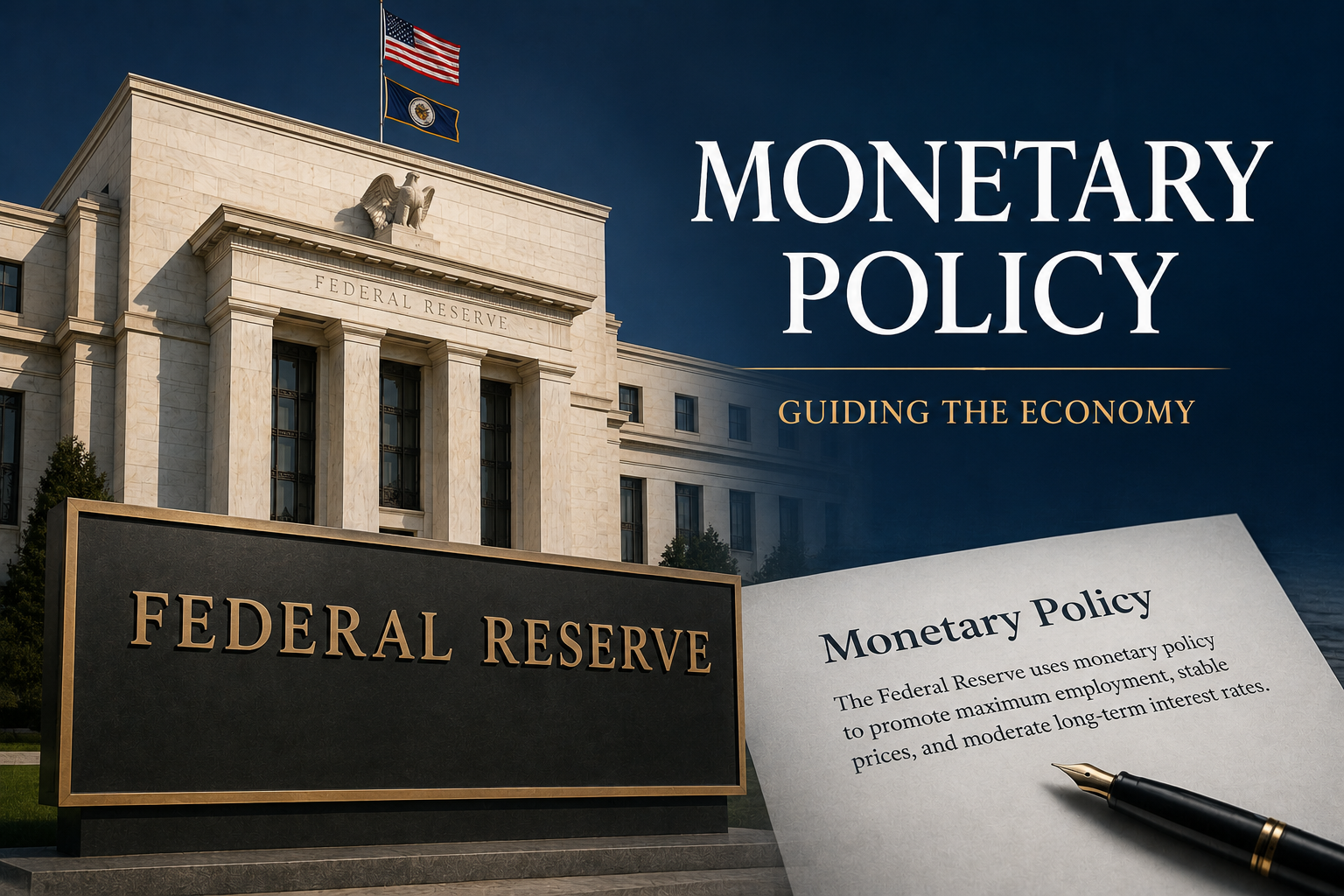
The long-standing economic relationship between inflation and unemployment is once again under scrutiny as historical data appears to challenge one of macroeconomics’ best-known theories. A comparison of U.S. inflation and unemployment over several decades suggests that movements in inflation have often been followed by similar movements in the unemployment rate roughly two years later. While the observation does not establish causation, it has renewed debate over whether maintaining low and stable inflation may naturally support stronger employment over time rather than requiring policymakers to choose between the two objectives.
Historical Data Questions a Traditional Economic Framework
The Phillips Curve has served as a cornerstone of macroeconomic theory for decades, proposing an inverse relationship between inflation and unemployment. Under this framework, stronger labor markets tend to generate higher inflation through wage growth, while rising unemployment helps moderate price pressures. Central banks have long relied on this concept when balancing their dual objectives of price stability and maximum employment.
However, recent historical comparisons paint a more complex picture. Inflation appears to move ahead of unemployment rather than simultaneously, suggesting that labor market conditions may respond with a considerable delay. If this relationship proves consistent, it could imply that achieving lower inflation today contributes to healthier employment conditions in future years rather than immediately restraining economic activity.
The Federal Reserve Faces Limits Beyond Monetary Policy
The debate extends beyond economic theory to the practical role of central banks. Although Congress has tasked the Federal Reserve with pursuing both stable prices and maximum employment, economists continue to disagree over how much influence monetary policy actually has over inflation. While interest-rate adjustments can influence consumer spending, business investment, and financial conditions, many inflationary episodes originate from factors outside the Fed’s direct control, including energy prices, supply-chain disruptions, geopolitical events, and global commodity markets.
The inflation surge following the COVID-19 pandemic illustrated these challenges. Supply shortages, fiscal stimulus, and disruptions to international trade all contributed to higher prices before monetary tightening gradually helped moderate inflation. This experience reinforced the view that inflation often reflects a combination of monetary and non-monetary forces.
Investors Should Focus on Long-Term Economic Signals
For investors, the discussion highlights the importance of distinguishing between correlation and causation. Historical patterns can offer valuable insights, but they do not guarantee future outcomes or establish direct policy prescriptions. Labor markets, inflation dynamics, and economic growth are shaped by numerous interconnected variables that evolve over time.
Looking ahead, policymakers will continue monitoring inflation, employment, productivity, and wage growth to assess the effectiveness of monetary policy. If inflation continues to moderate while labor markets remain resilient, confidence in a soft economic landing could strengthen. At the same time, ongoing academic debate surrounding the Phillips Curve underscores that economic relationships are rarely static, and evolving structural changes in global markets may require fresh approaches to understanding inflation and employment dynamics.
Comparison, examination, and analysis between investment houses
Leave your details, and an expert from our team will get back to you as soon as possible
* This article, in whole or in part, does not contain any promise of investment returns, nor does it constitute professional advice to make investments in any particular field.
To read more about the full disclaimer, click here
- omer bar
- •
- 6 Min Read
- •
- ago 9 minutes
SKN | Why Jamie Dimon Says Shipbuilding Could Create Thousands of $100,000 Careers Without a College Degree
JPMorgan Chase CEO Jamie Dimon is urging greater investment in America's skilled workforce, warning that a shortage of qualified tradespeople
- ago 9 minutes
- •
- 6 Min Read
JPMorgan Chase CEO Jamie Dimon is urging greater investment in America's skilled workforce, warning that a shortage of qualified tradespeople

- orshu
- •
- 6 Min Read
- •
- ago 3 hours
SKN | European Markets End Mixed as Investors Balance Economic Signals and Currency Moves
European equity markets closed the July 16 session with a mixed performance as investors evaluated economic conditions, corporate developments,
- ago 3 hours
- •
- 6 Min Read

European equity markets closed the July 16 session with a mixed performance as investors evaluated economic conditions, corporate developments,

- Ronny Mor
- •
- 7 Min Read
- •
- ago 11 hours
SKN | Could Europe’s Summer Heatwaves Become the Biggest Driver of Food Inflation in 2027?
After several years of elevated grocery prices, food inflation across the eurozone has slowed considerably during 2026, offering consumers a
- ago 11 hours
- •
- 7 Min Read

After several years of elevated grocery prices, food inflation across the eurozone has slowed considerably during 2026, offering consumers a

- Lior mor
- •
- 6 Min Read
- •
- ago 2 days
SKN | China’s Economic Growth Slows to Weakest Level Since 2022, Raising Global Market Concerns
China’s economic expansion has slowed to its weakest annual pace since the fourth quarter of 2022, highlighting ongoing challenges facing
- ago 2 days
- •
- 6 Min Read
China’s economic expansion has slowed to its weakest annual pace since the fourth quarter of 2022, highlighting ongoing challenges facing


