





- Lior mor
- •
- 6 Min Read
- •
- 17 hours ago
Key Points
- China recorded its weakest annual economic growth since the fourth quarter of 2022, reflecting continued pressure from domestic and external challenges.
- Slower growth in the world’s second-largest economy is increasing focus on consumer demand, property market weakness, and government policy support.
- Global investors are monitoring China’s economic outlook due to its impact on commodities, trade flows, and international market sentiment.
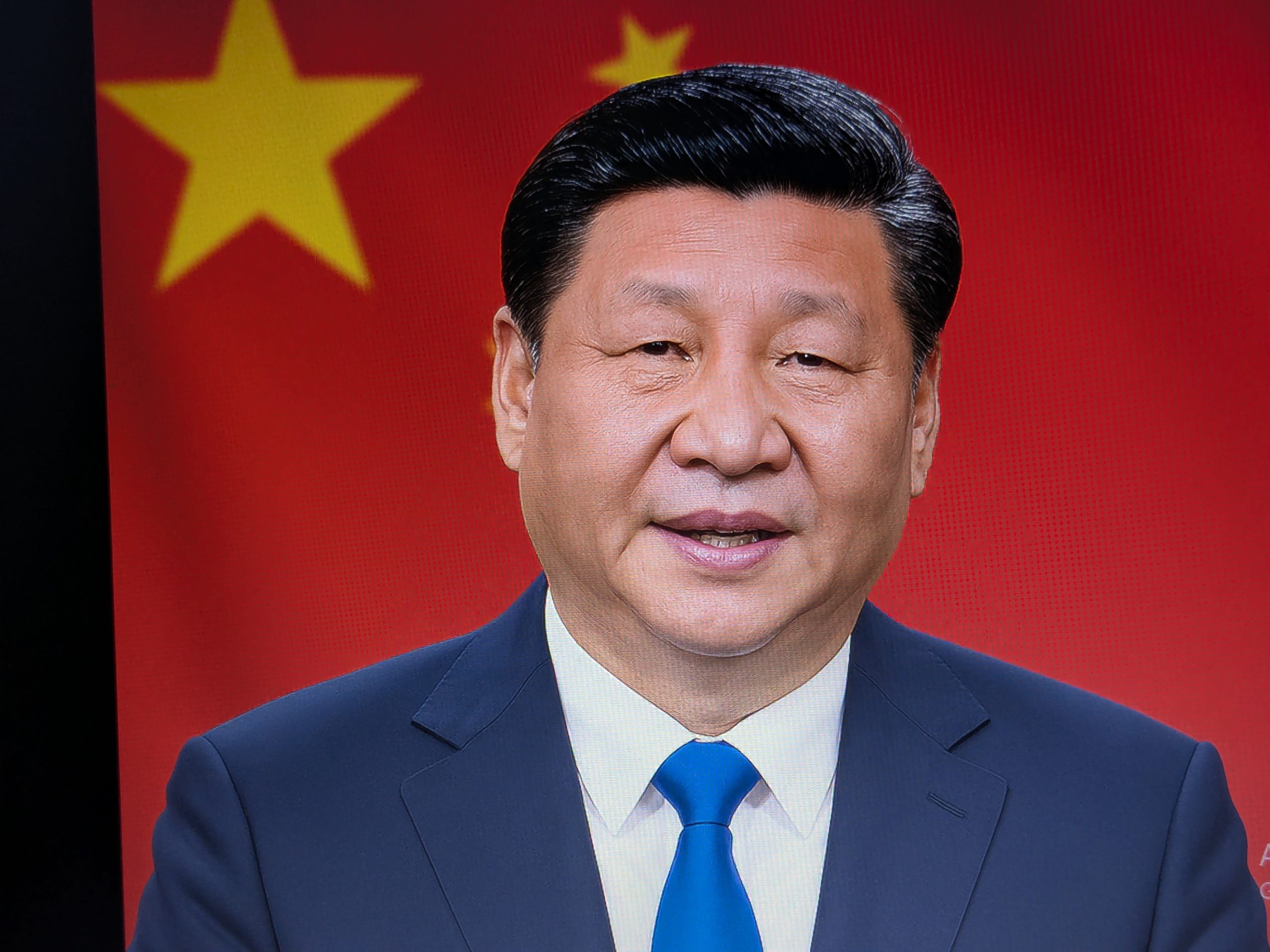
China’s economic expansion has slowed to its weakest annual pace since the fourth quarter of 2022, highlighting ongoing challenges facing the world’s second-largest economy. The slowdown has increased investor attention toward China’s domestic demand, industrial activity, and the potential impact on global markets that rely heavily on Chinese growth.
China’s Growth Challenges Reflect Structural Economic Pressures
China’s weaker growth performance reflects a combination of structural and cyclical factors affecting the economy. The country continues to face pressure from a prolonged property sector downturn, cautious consumer spending, and uneven recovery across key industries.
The real estate sector remains one of the largest challenges for policymakers, as lower property investment and reduced confidence among households have weighed on broader economic activity. Since property development has historically played a major role in China’s growth model, weakness in the sector has affected construction activity, local government revenues, and consumer sentiment.
Manufacturing and exports have provided some support, but global demand conditions remain uncertain. Trade tensions, changing supply chains, and slower growth in major economies have created additional challenges for Chinese companies operating in international markets.
Policy Support Becomes Critical as Investors Assess Recovery Prospects
Chinese authorities have introduced a range of measures aimed at stabilizing economic growth, including monetary support, infrastructure investment initiatives, and policies designed to encourage domestic consumption. However, investors continue evaluating whether these measures will be sufficient to generate a stronger and more sustainable recovery.
Unlike previous periods when large-scale stimulus quickly boosted economic activity, current conditions present more complex challenges. Businesses and consumers remain cautious, limiting the effectiveness of traditional policy tools.
The pace and scale of future government support will likely remain a major factor influencing market expectations. Investors are watching indicators such as retail sales, industrial production, employment data, and consumer confidence for signs of improvement.
Global Market Impact and Implications for Investors
China’s economic performance has significant implications beyond its domestic economy. As one of the world’s largest consumers of energy, metals, and agricultural commodities, changes in Chinese demand can influence global commodity prices and corporate earnings across multiple industries.
For investors in Israel and international markets, China’s slowdown is relevant due to its impact on global trade, technology supply chains, and market sentiment. Israeli companies connected to global technology, industrial activity, and international commerce may be affected by shifts in Chinese economic conditions.
Financial markets are also monitoring how weaker growth expectations could influence currency movements, emerging markets, and central bank policy decisions worldwide.
Looking ahead, investors will continue tracking China’s economic data, government policy measures, property market developments, and consumer recovery trends. The ability of policymakers to restore confidence and support sustainable growth will remain a key factor shaping global market expectations and investment sentiment in the coming quarters.
Comparison, examination, and analysis between investment houses
Leave your details, and an expert from our team will get back to you as soon as possible
* This article, in whole or in part, does not contain any promise of investment returns, nor does it constitute professional advice to make investments in any particular field.
To read more about the full disclaimer, click here
- omer bar
- •
- 6 Min Read
- •
- ago 19 hours
SKN | Bank of Japan Minutes Reveal How Kuroda’s Surprise Negative Rate Decision Caught Policymakers Off Guard
The release of historical Bank of Japan (BOJ) meeting minutes has provided fresh insight into one of Japan’s most consequential
- ago 19 hours
- •
- 6 Min Read

The release of historical Bank of Japan (BOJ) meeting minutes has provided fresh insight into one of Japan’s most consequential

- Ronny Mor
- •
- 6 Min Read
- •
- ago 22 hours
SKN | Is the Decline in the U.S. Misery Index a Sign That Economic Pressures Are Easing?
The latest reading of the U.S. Misery Index delivered encouraging news for households and financial markets, falling to 7.7% in
- ago 22 hours
- •
- 6 Min Read

The latest reading of the U.S. Misery Index delivered encouraging news for households and financial markets, falling to 7.7% in
- Ronny Mor
- •
- 6 Min Read
- •
- ago 1 day
SKN | Inflation Posts Its Biggest Monthly Decline in Six Years—How Is Wall Street Reassessing the Outlook?
Fresh U.S. inflation data delivered one of the strongest signs yet that price pressures are easing, with consumer prices
- ago 1 day
- •
- 6 Min Read

Fresh U.S. inflation data delivered one of the strongest signs yet that price pressures are easing, with consumer prices
- Ronny Mor
- •
- 6 Min Read
- •
- ago 1 day
SKN | June Inflation Expected to Moderate, but the Federal Reserve’s Challenge Is Far From Over
Investors are preparing for one of the most closely watched economic releases of the month as the U.S. Consumer
- ago 1 day
- •
- 6 Min Read
Investors are preparing for one of the most closely watched economic releases of the month as the U.S. Consumer


