


- Lior mor
- •
- 6 Min Read
- •
- 5 months ago
Key Points
- Oracle’s latest earnings disappointment triggered a pullback in AI-linked stocks, raising questions about the sector’s near-term momentum.
- Weak cloud infrastructure growth fueled concerns over whether AI demand is translating into revenue fast enough for legacy tech players.
- Despite volatility, analysts maintain a broadly bullish outlook on AI spending for 2025–2026.
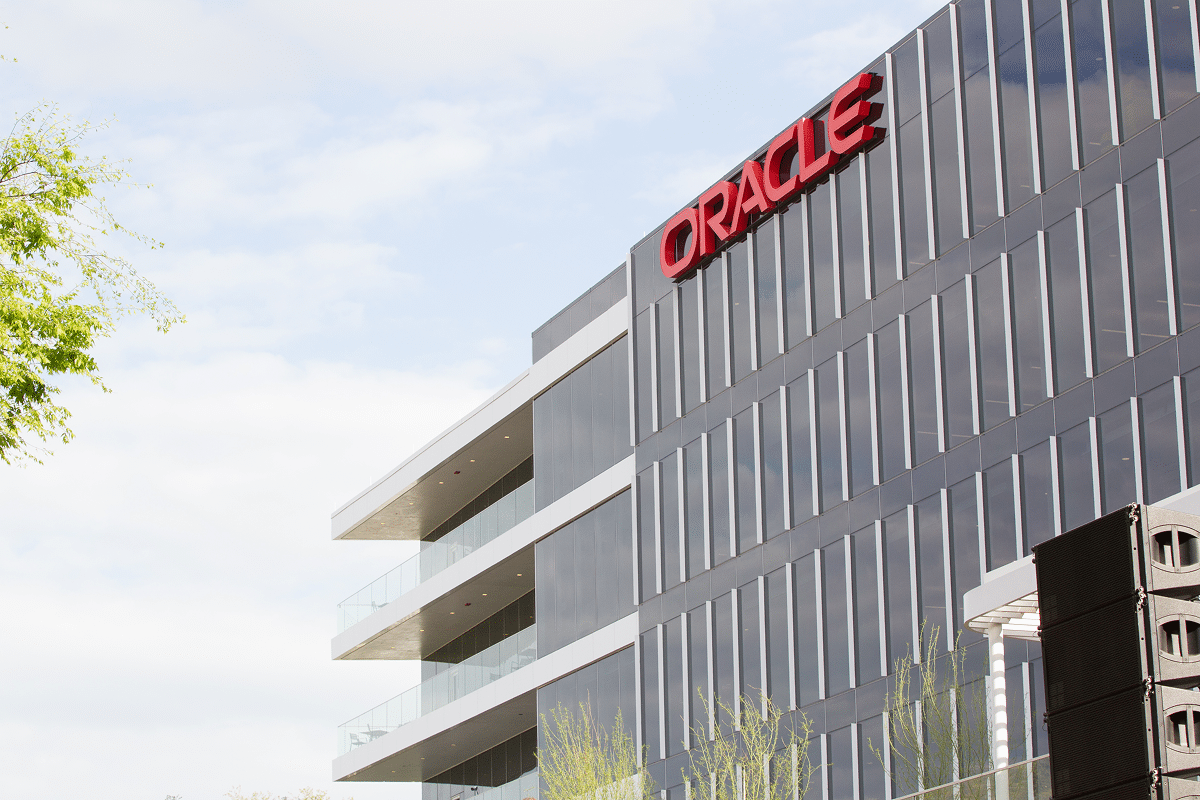
The global AI-driven rally took a hit this week after Oracle’s earnings stumble rattled investor confidence in one of the market’s most powerful themes. Shares of the enterprise software giant fell sharply after it reported slower-than-expected cloud growth, prompting broader weakness across U.S. technology indexes. For investors in Israel and globally, the event raises a critical question: Is AI’s explosive momentum cooling—or merely recalibrating?
Cloud growth misses expectations, testing the AI narrative
The core of the market’s reaction stemmed from Oracle’s weaker cloud infrastructure revenue, which grew slower than analysts had projected. As Oracle positions itself as a key infrastructure provider for AI workloads—including partnerships with Nvidia and high-performance computing firms—the shortfall signaled that enterprise AI adoption may not be accelerating at the pace investors assumed.
Oracle executives emphasized that demand remains healthy but acknowledged ongoing capacity constraints and lengthy deployment timelines. This nuance, however, was overshadowed by market sentiment: tech investors have grown increasingly sensitive to any signs that AI monetization may be uneven across sectors.
AI stocks wobble, but analysts say fundamentals remain intact
Oracle’s miss reverberated across the AI ecosystem, with several chipmakers, cloud providers, and software firms seeing intraday declines. Yet market strategists argue that the setback reflects company-specific issues rather than a comprehensive slowdown in AI spending.
Major Wall Street firms highlighted that AI infrastructure investment—from data centers to advanced chips—remains on a multi-year growth trajectory. Nvidia, AMD, Super Micro Computer, and other beneficiaries of large-scale AI system buildouts continue to report record demand. Analysts underscored that Oracle’s stumble provides context, not contradiction, to the broader AI investment cycle, which is still expanding rapidly but unevenly.
Macro conditions amplify volatility in high-growth sectors
The timing of Oracle’s report also intersected with a more cautious macro backdrop. Higher-for-longer interest rates and persistent inflation uncertainty have made investors more selective about growth projections. In this environment, even modest disappointments can trigger significant repricing—even for companies tied closely to the AI megatrend.
For markets such as Israel, where AI startups and semiconductor research are central to the technology ecosystem, the episode highlights the importance of distinguishing between short-term market reactions and underlying structural demand. Local companies involved in data-center architecture, AI software, and chip design remain well-positioned, even if global volatility occasionally tempers sentiment.
Looking ahead, investors will closely watch coming earnings from major AI infrastructure players to gauge whether Oracle’s results represent an anomaly or an early signal of tightening enterprise budgets. The next checkpoints include U.S. cloud giants’ spending plans, hyperscaler capex forecasts, and updates from chip suppliers serving the rapidly scaling AI data-center market. While volatility may persist, the long-term thesis behind AI investment remains one of the strongest in global markets.
Comparison, examination, and analysis between investment houses
Leave your details, and an expert from our team will get back to you as soon as possible
* This article, in whole or in part, does not contain any promise of investment returns, nor does it constitute professional advice to make investments in any particular field.
To read more about the full disclaimer, click here
- orshu
- •
- 8 Min Read
- •
- ago 4 hours
SKN | Tel Aviv Market Weakens as Mid-Cap Selloff Deepens While Bonds Hold Steady
Israeli financial markets are trading lower as weakness in mid-cap equities weighs on broader indices, even as large-cap benchmarks show
- ago 4 hours
- •
- 8 Min Read

Israeli financial markets are trading lower as weakness in mid-cap equities weighs on broader indices, even as large-cap benchmarks show

- Lior mor
- •
- 8 Min Read
- •
- ago 4 hours
SKN | Accenture Faces Growing Questions Over AI Disruption and Slowing Organic Growth
A growing bearish investment thesis surrounding Accenture has sparked debate among investors over whether the consulting giant can maintain its
- ago 4 hours
- •
- 8 Min Read

A growing bearish investment thesis surrounding Accenture has sparked debate among investors over whether the consulting giant can maintain its

- omer bar
- •
- 8 Min Read
- •
- ago 5 hours
SKN | Alibaba and Tencent Face Investor Pressure as Massive AI Spending Weighs on Growth
Alibaba and Tencent are facing renewed scrutiny from investors after recent earnings reports highlighted the growing financial burden tied
- ago 5 hours
- •
- 8 Min Read

Alibaba and Tencent are facing renewed scrutiny from investors after recent earnings reports highlighted the growing financial burden tied

- sagi habasov
- •
- 8 Min Read
- •
- ago 7 hours
SKN | Is SK Hynix Closing in on a $1 Trillion Valuation as the AI Memory Boom Accelerates?
The rapid expansion of artificial intelligence infrastructure is reshaping global semiconductor demand, pushing memory chipmakers such as SK Hynix closer
- ago 7 hours
- •
- 8 Min Read

The rapid expansion of artificial intelligence infrastructure is reshaping global semiconductor demand, pushing memory chipmakers such as SK Hynix closer


