


- omer bar
- •
- 7 Min Read
- •
- 4 seconds ago
Key Points
- U.S. oil prices drop over 9% after a temporary halt in planned attacks on Iran.
- The move signals potential de-escalation, easing immediate supply fears tied to the Strait of Hormuz.
- Despite the pullback, oil remains sharply elevated after a 60% surge since the conflict began.
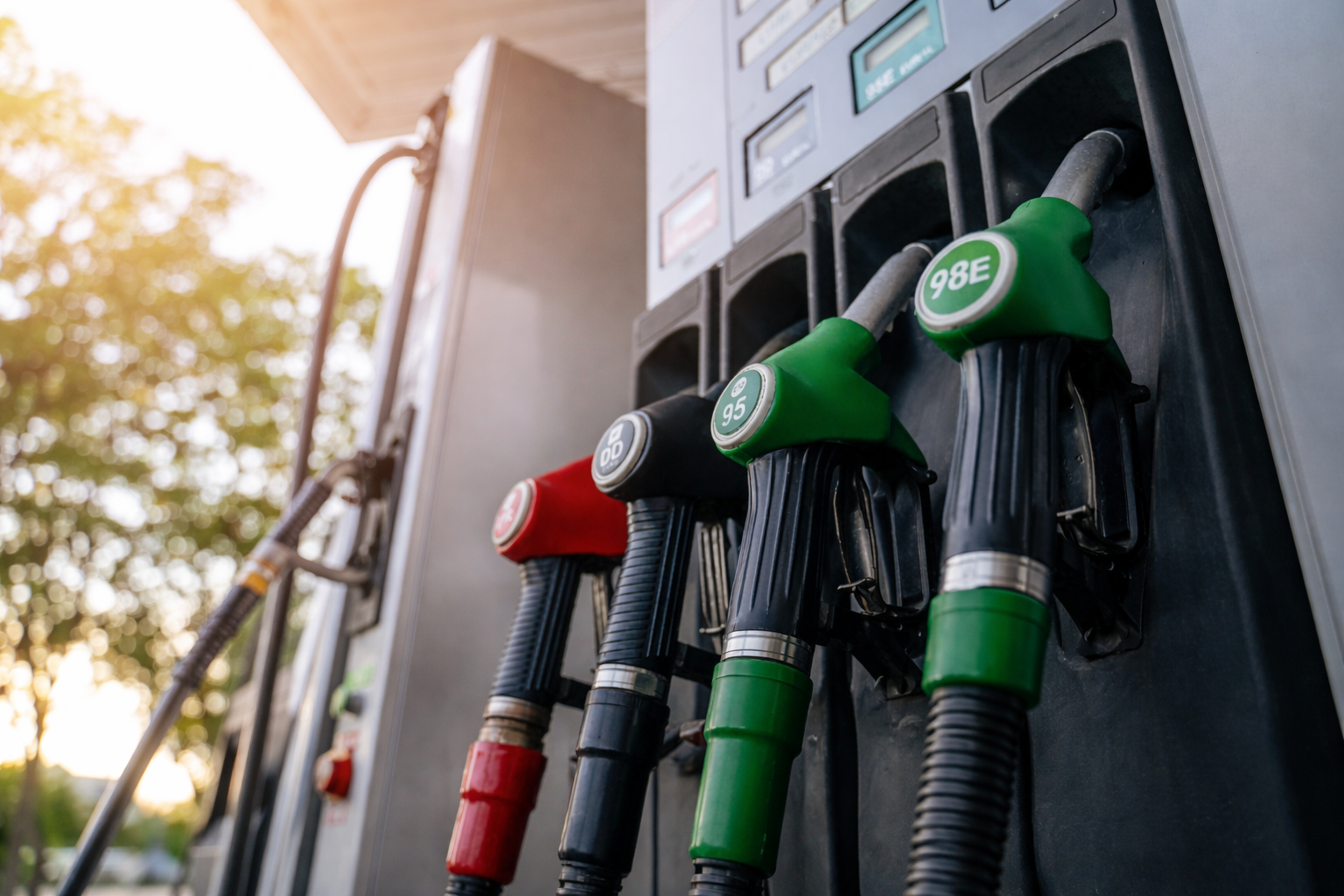
U.S. crude oil markets experienced a sharp reversal as geopolitical tensions briefly eased, with prices falling more than 9% following President Donald Trump’s decision to suspend planned military strikes on Iran for two weeks. The move comes after weeks of escalating conflict that had driven oil prices sharply higher and fueled concerns over a global supply shock.
The decline reflects how quickly sentiment can shift in energy markets, where geopolitical developments now play a dominant role in price direction.
Oil Prices React Swiftly to De-escalation Signals
West Texas Intermediate crude oil futures dropped to approximately $102.63 per barrel, marking one of the steepest single-session declines since the conflict began. The sell-off followed confirmation that the U.S. would delay military action, contingent on Iran reopening the Strait of Hormuz.
Markets interpreted the decision as a potential turning point, at least in the short term. The risk premium that had been rapidly priced into oil—driven by fears of prolonged disruption—was partially unwound as traders reassessed the likelihood of immediate escalation.
However, the reaction also underscores how fragile current pricing remains, with sentiment heavily dependent on political developments rather than traditional supply-demand fundamentals.
Strait of Hormuz Remains the Critical Risk Factor
At the center of the volatility is the Strait of Hormuz, a vital artery for global energy flows through which roughly 20% of the world’s oil supply typically passes.
Since the conflict began, shipments through the Strait have dropped significantly due to attacks on commercial vessels and heightened security risks. This disruption has contributed to what analysts describe as one of the largest supply shocks in modern oil market history.
While the temporary pause in military action raises hopes for reopening the route, the situation remains unresolved. Any sustained restriction in Hormuz flows continues to pose a major upside risk to oil prices.
Markets Balance Between Relief and Structural Supply Risks
Despite the sharp decline, oil prices remain elevated, still up more than 60% since the conflict began. This highlights a key dynamic: the recent drop reflects reduced immediate risk—not a resolution of the underlying supply constraints.
Energy markets are now caught between two opposing forces. On one hand, diplomatic efforts and temporary pauses in escalation can trigger rapid price corrections. On the other, the structural risks tied to disrupted supply routes and geopolitical instability remain firmly in place.
This creates an environment of heightened volatility, where short-term price swings may obscure longer-term trends.
Global Economic Implications Remain Significant
The surge in oil prices over recent weeks has already begun to ripple through the global economy. Higher fuel costs are impacting transportation, manufacturing, and consumer spending, while also complicating central bank efforts to manage inflation.
Even with the latest pullback, energy prices remain at levels that could sustain inflationary pressures if they persist. This adds another layer of uncertainty for policymakers and investors alike.
The interplay between energy markets and broader economic conditions will remain a key focus in the coming weeks.
Outlook: Temporary Relief or Start of a Trend?
Looking ahead, the trajectory of oil prices will depend largely on geopolitical developments and the status of negotiations surrounding the Strait of Hormuz.
If the ceasefire period leads to a meaningful reopening of the waterway, prices could stabilize or decline further. However, any breakdown in talks or renewed escalation could quickly reverse the current trend and push oil higher again.
For now, markets are signaling cautious optimism—but not conviction.
Comparison, examination, and analysis between investment houses
Leave your details, and an expert from our team will get back to you as soon as possible
* This article, in whole or in part, does not contain any promise of investment returns, nor does it constitute professional advice to make investments in any particular field.
To read more about the full disclaimer, click here
- omer bar
- •
- 9 Min Read
- •
- ago 16 hours
SKN | Will U.S. Gasoline Prices Surge Past $5 as Strait of Hormuz Tensions Escalate?
Rising geopolitical tensions in the Middle East are rapidly translating into economic pressure for U.S. consumers, as disruptions in the
- ago 16 hours
- •
- 9 Min Read

Rising geopolitical tensions in the Middle East are rapidly translating into economic pressure for U.S. consumers, as disruptions in the

- Lior mor
- •
- 9 Min Read
- •
- ago 17 hours
SKN | Are Global Oil Markets Signaling an Imminent Supply Crisis Amid Historic Disruptions?
The global oil market has undergone a dramatic in just a matter of weeks, shifting from surplus conditions to what
- ago 17 hours
- •
- 9 Min Read

The global oil market has undergone a dramatic in just a matter of weeks, shifting from surplus conditions to what

- sagi habasov
- •
- 7 Min Read
- •
- ago 1 day
SKN | Is Oil Entering an “Avalanche Phase” as Trump Signals Imminent Iran Escalation?
Oil Prices Surge as Markets Price Immediate Escalation Risk Oil markets have sharply repriced higher, with West Texas Intermediate climbing
- ago 1 day
- •
- 7 Min Read

Oil Prices Surge as Markets Price Immediate Escalation Risk Oil markets have sharply repriced higher, with West Texas Intermediate climbing
- Lior mor
- •
- 9 Min Read
- •
- ago 2 days
SKN | India Returns to Iranian Oil After 7 Years—Is Energy Security Redefining Its Global Alliances?
India has resumed oil and gas imports from Iran for the first time since 2019, marking a significant shift in
- ago 2 days
- •
- 9 Min Read

India has resumed oil and gas imports from Iran for the first time since 2019, marking a significant shift in

