





- orshu
- •
- 7 Min Read
- •
- 7 hours ago
Key Points
- Cracker Barrel's fourth-quarter performance highlights both the resilience and challenges facing the sit-down dining industry.
- Restaurant operators continue to navigate inflation, labor costs, and shifting consumer spending while pursuing traffic growth and operational efficiency.
- The broader restaurant sector delivered mixed results, emphasizing the importance of brand strength, pricing strategy, and cost management.
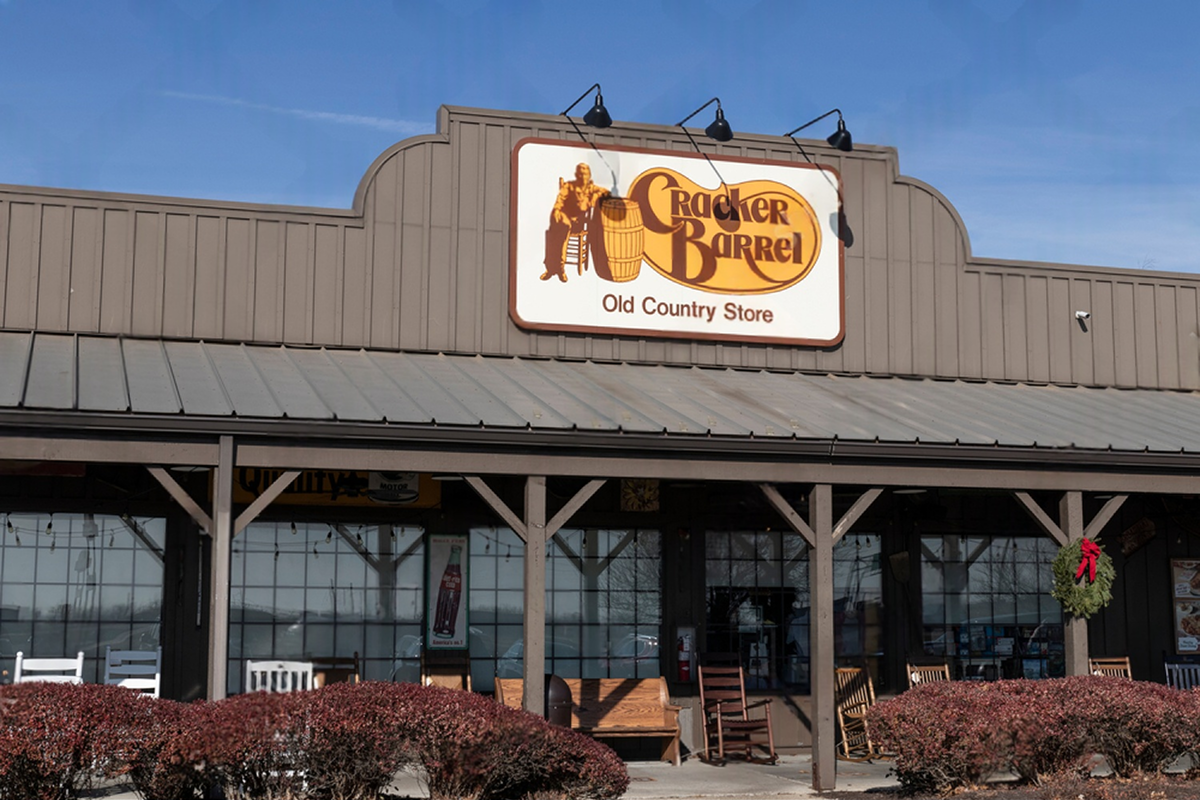
Cracker Barrel Old Country Store (NASDAQ: CBRL) remains a closely watched name within the casual dining industry, and its fourth-quarter performance provides valuable insight into the broader state of the sit-down restaurant sector. As consumers continue balancing discretionary spending against persistent economic uncertainty, restaurant operators are being evaluated on their ability to protect margins while maintaining customer traffic and long-term brand loyalty.
The latest earnings landscape demonstrates that the restaurant industry is no longer moving in a uniform direction. Instead, investors are differentiating between companies based on operational execution, pricing discipline, and their ability to adapt to changing consumer preferences.
Cracker Barrel Faces the Same Challenges Affecting the Industry
Cracker Barrel operates a business model that combines full-service restaurants with retail stores, providing multiple revenue streams but also exposing the company to fluctuations in consumer spending. The fourth-quarter results illustrate how restaurant operators continue managing higher food costs, labor expenses, and operating inflation while attempting to preserve profitability.
Unlike quick-service restaurants, sit-down dining establishments depend heavily on customer traffic and discretionary spending. As inflation influences household budgets, consumers may reduce dining frequency or seek value-oriented alternatives, placing pressure on sales growth and operating margins.
At the same time, established brands with loyal customer bases may demonstrate greater resilience by leveraging pricing strategies, menu innovation, and operational efficiencies to offset rising costs.
The Broader Sit-Down Dining Sector Delivered Mixed Results
The broader sit-down dining industry reported mixed fourth-quarter performances, highlighting significant differences in execution across companies. Some operators benefited from improved guest traffic, successful menu strategies, and effective cost controls, while others faced challenges related to weaker demand and margin pressure.
Investors increasingly evaluate restaurant companies based on comparable-store sales, customer traffic trends, restaurant-level profitability, and expense management rather than revenue growth alone. Businesses capable of maintaining customer loyalty while controlling inflationary pressures often receive stronger market confidence.
This divergence demonstrates that sector-wide economic conditions affect all operators, but management execution and brand positioning ultimately determine competitive performance.
Consumer Spending Trends Will Shape Future Performance
The outlook for the restaurant industry remains closely tied to broader macroeconomic conditions. Inflation, wage growth, employment levels, and consumer confidence all influence discretionary spending on dining experiences. If household purchasing power improves, restaurant traffic could strengthen across the sector. Conversely, persistent economic uncertainty may encourage consumers to reduce spending on non-essential activities.
Technology and operational innovation are also becoming increasingly important competitive factors. Digital ordering platforms, loyalty programs, menu optimization, and supply chain improvements allow restaurant companies to enhance efficiency while improving the customer experience. Companies successfully integrating these strategies may strengthen their long-term competitive position.
For global investors, including those monitoring consumer spending trends from Israel, Cracker Barrel’s results offer insight into broader economic behavior. Restaurant performance often serves as an indicator of household confidence and discretionary spending, making the sector relevant beyond the food service industry itself.
Looking ahead, market participants will closely monitor same-store sales growth, customer traffic trends, food and labor costs, and consumer confidence indicators. Management’s ability to balance pricing strategies with customer demand will remain critical as inflation and competitive pressures continue shaping the industry. While Cracker Barrel’s fourth-quarter performance reflects both opportunities and challenges, the broader sit-down dining sector will likely continue rewarding companies capable of combining operational discipline with sustainable customer engagement.
Comparison, examination, and analysis between investment houses
Leave your details, and an expert from our team will get back to you as soon as possible
* This article, in whole or in part, does not contain any promise of investment returns, nor does it constitute professional advice to make investments in any particular field.
To read more about the full disclaimer, click here
- Lior mor
- •
- 7 Min Read
- •
- ago 2 hours
SKN | Why Are ThredUp, Zillow, and Deckers Surging? The Key Drivers Behind the Latest Stock Rally
Recent trading sessions have highlighted a growing divergence within U.S. equity markets, where stock-specific catalysts are increasingly driving performance. ThredUp,
- ago 2 hours
- •
- 7 Min Read

Recent trading sessions have highlighted a growing divergence within U.S. equity markets, where stock-specific catalysts are increasingly driving performance. ThredUp,

- sagi habasov
- •
- 8 Min Read
- •
- ago 6 hours
SKN | Oracle Earnings in Focus as AI Demand Drives Cloud Growth Expectations
Oracle Heads Into Earnings With AI Spotlight Intensifying Oracle is scheduled to report fiscal fourth-quarter results after the closing bell
- ago 6 hours
- •
- 8 Min Read

Oracle Heads Into Earnings With AI Spotlight Intensifying Oracle is scheduled to report fiscal fourth-quarter results after the closing bell

- Arik Arkadi Sluzki
- •
- 7 Min Read
- •
- ago 7 hours
SKN | Why Did Bloom Energy Stock Surge 10% Before Quickly Reversing? Market Volatility Highlights Investor Caution
Bloom Energy (NYSE: BE) experienced a dramatic trading session after its shares surged approximately 10% early Tuesday before rapidly
- ago 7 hours
- •
- 7 Min Read

Bloom Energy (NYSE: BE) experienced a dramatic trading session after its shares surged approximately 10% early Tuesday before rapidly
- Lior mor
- •
- 7 Min Read
- •
- ago 7 hours
SKN | Why Is Microsoft Stock Declining Today? Profit-Taking and AI Valuation Concerns Weigh on Shares
Microsoft (NASDAQ: MSFT) shares moved lower during trading as investors reacted to broader market dynamics affecting large-cap technology companies.
- ago 7 hours
- •
- 7 Min Read

Microsoft (NASDAQ: MSFT) shares moved lower during trading as investors reacted to broader market dynamics affecting large-cap technology companies.


