





- Lior mor
- •
- 7 Min Read
- •
- 4 hours ago
Key Points
- The U.S. is investigating whether Germany's drug pricing policies unfairly burden American pharmaceutical innovation.
- Germany's healthcare reform plans have become a central focus of Washington's concerns.
- Potential trade measures could reshape pharmaceutical market dynamics and pricing strategies globally.

The United States has opened a new front in its global trade agenda by launching an investigation into Germany’s pharmaceutical pricing system, escalating tensions over how innovative medicines are valued across international markets. The move reflects growing frustration within Washington that foreign healthcare systems benefit from lower drug prices while U.S. consumers and insurers absorb a larger share of the costs associated with pharmaceutical innovation. The dispute arrives at a time when healthcare affordability, drug pricing, and industrial competitiveness are becoming increasingly interconnected with broader trade policy discussions.
Washington Challenges Germany’s Drug Pricing Model
The investigation, announced by U.S. Trade Representative Jamieson Greer, seeks to determine whether Germany’s pricing framework unfairly disadvantages American pharmaceutical companies and restricts U.S. commerce. At the center of the dispute are Germany’s negotiated pricing mechanisms, mandatory rebates, and discount structures that help control healthcare costs for patients and insurers.
U.S. officials argue that these policies suppress the value of innovative medicines and effectively shift a larger portion of global research and development expenses onto American consumers. The Trump administration has increasingly emphasized that pharmaceutical innovation should be supported more evenly across developed markets, rather than relying heavily on U.S. drug prices to finance future breakthroughs.
The investigation follows months of diplomatic discussions between Washington and Berlin that failed to produce a mutually acceptable resolution. The outcome could eventually lead to trade penalties under Section 301 of the U.S. Trade Act, a mechanism previously used in disputes involving China and other major trading partners.
Germany’s Healthcare Reform Faces Growing Scrutiny
The timing of the investigation coincides with Germany’s ongoing healthcare reform efforts. Berlin is seeking solutions to address a multibillion-euro funding shortfall within its public health insurance system, prompting proposals that would require additional financial contributions from pharmaceutical companies.
While policymakers have softened some of the original proposals, discussions continue around increasing manufacturer rebates and introducing new mechanisms designed to stabilize healthcare finances. U.S. officials have expressed particular concern that the planned reforms could further reduce reimbursement levels for innovative medicines, potentially discouraging investment in research-intensive therapies.
At the same time, Germany is attempting to balance cost containment with its ambition to remain a leading pharmaceutical research hub. Recent proposals from Health Minister Nina Warken would exempt certain companies from additional rebates if they conduct clinical trials within Germany, creating incentives for continued innovation and investment.
Global Pharmaceutical Markets Face New Uncertainty
The dispute highlights a longstanding divide between the United States and Europe regarding healthcare funding and drug pricing. European governments prioritize affordability and broad patient access, while U.S. policymakers increasingly argue that lower international prices create an uneven burden on American healthcare consumers.
For investors, the investigation introduces a new layer of uncertainty for global pharmaceutical companies operating across both markets. Trade restrictions, tariffs, or regulatory changes could affect revenue expectations, pricing strategies, and future investment decisions. The outcome may also influence broader discussions about pharmaceutical pricing reform in other developed economies.
Looking ahead, markets will closely monitor the consultation process, scheduled public hearings in September, and the eventual findings of the U.S. investigation. While a negotiated settlement remains possible, the case underscores how healthcare policy is becoming an increasingly important factor in international trade relations, with significant implications for pharmaceutical companies, governments, and patients on both sides of the Atlantic.
Comparison, examination, and analysis between investment houses
Leave your details, and an expert from our team will get back to you as soon as possible
* This article, in whole or in part, does not contain any promise of investment returns, nor does it constitute professional advice to make investments in any particular field.
To read more about the full disclaimer, click here
- sagi habasov
- •
- 9 Min Read
- •
- ago 17 hours
SKN | Bernie Sanders Proposes $1,000 Annual AI Dividend Through Public Ownership of AI Companies
Sanders Pushes for Public Ownership of AI Growth Senator Bernie Sanders (I-Vermont) unveiled a proposal Thursday aimed at ensuring Americans
- ago 17 hours
- •
- 9 Min Read
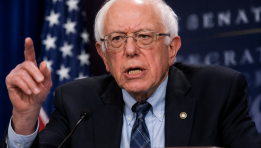
Sanders Pushes for Public Ownership of AI Growth Senator Bernie Sanders (I-Vermont) unveiled a proposal Thursday aimed at ensuring Americans

- Lior mor
- •
- 8 Min Read
- •
- ago 3 days
SKN | GM and Lockheed Martin Defense Supply Talks Signal Deepening Industrial-Military Tech Convergence
General Motors (GM) is reportedly in talks to supply weapons-related parts to Lockheed Martin, according to a Wall Street Journal
- ago 3 days
- •
- 8 Min Read

General Motors (GM) is reportedly in talks to supply weapons-related parts to Lockheed Martin, according to a Wall Street Journal
- Lior mor
- •
- 8 Min Read
- •
- ago 2 weeks
SKN | IMF Appoints Álvaro Piris as Venezuela Mission Chief as Debt Talks and Economic Re-engagement Advance
The International Monetary Fund has appointed Álvaro Piris Chavarri as its new mission chief for Venezuela, according to Bloomberg News,
- ago 2 weeks
- •
- 8 Min Read
The International Monetary Fund has appointed Álvaro Piris Chavarri as its new mission chief for Venezuela, according to Bloomberg News,

- Ronny Mor
- •
- 7 Min Read
- •
- ago 2 weeks
SKN | Meta Challenges Australia’s Digital Policy as Trade Dispute Raises Free Trade Agreement Questions
Australia’s regulatory approach toward major technology platforms is facing renewed scrutiny after Meta argued that proposed measures could breach obligations
- ago 2 weeks
- •
- 7 Min Read
Australia’s regulatory approach toward major technology platforms is facing renewed scrutiny after Meta argued that proposed measures could breach obligations


