


- omer bar
- •
- 6 Min Read
- •
- 9 hours ago
Key Points
- Fed officials are signaling that rate hikes remain possible if inflation accelerates.
- Markets are shifting expectations, now pricing higher odds of tightening in 2026.
- Rising oil prices and geopolitical risks are complicating the Fed’s policy outlook.
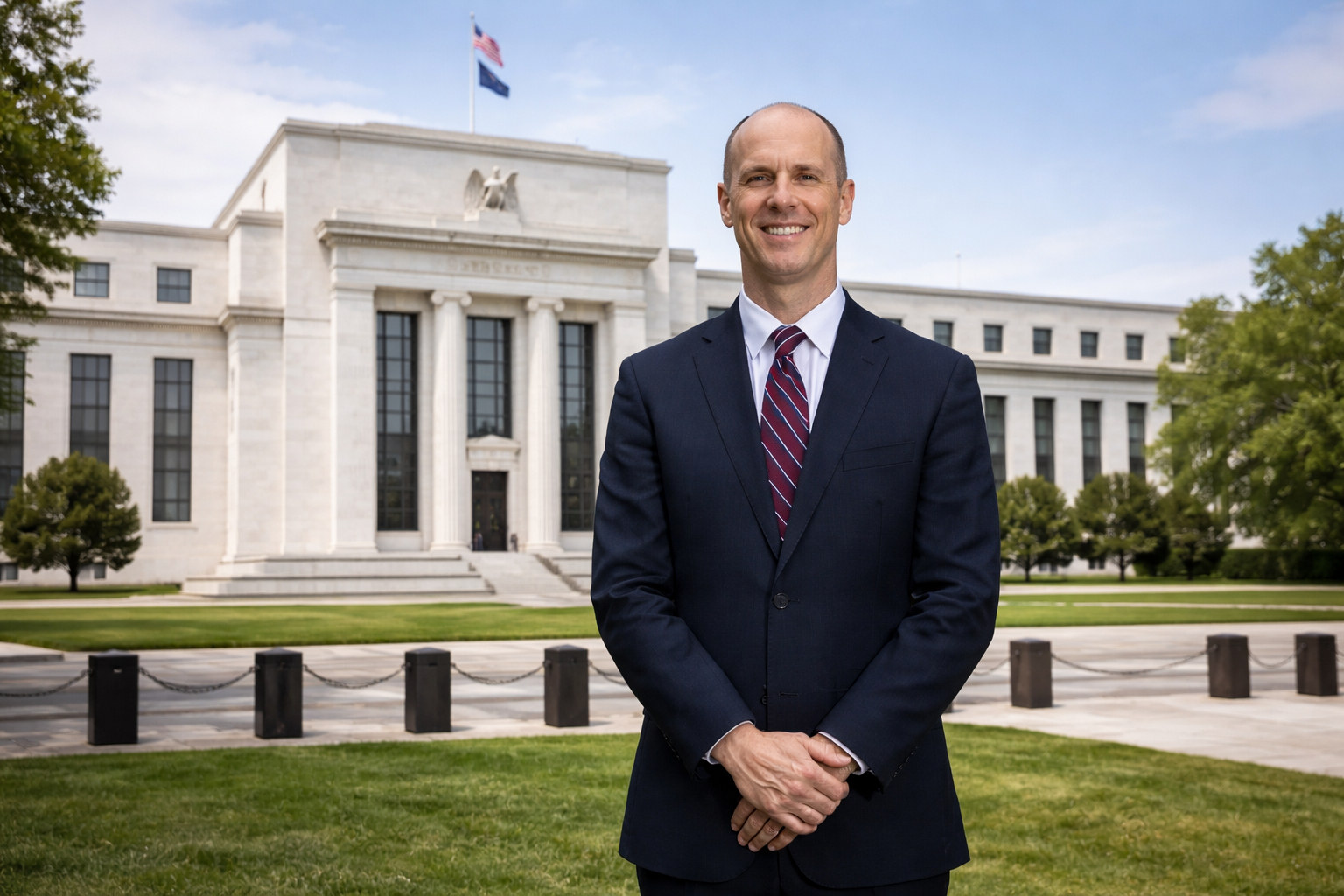
The Federal Reserve’s policy path is becoming increasingly uncertain as inflation pressures re-emerge, forcing markets to reconsider earlier expectations of rate cuts. Comments from Austan Goolsbee have reinforced this shift, signaling that interest rate hikes are still on the table if inflation accelerates. Against the backdrop of rising oil prices and geopolitical tensions, investors are now recalibrating expectations, with futures markets beginning to price in a higher probability of tightening rather than easing.
Fed Signals Flexibility as Inflation Takes Priority
Goolsbee emphasized that the Federal Reserve is currently closer to achieving full employment than reaching its inflation target, suggesting that price stability remains the central bank’s primary concern. This marks a subtle but important shift in tone, as the labor market no longer provides sufficient justification for accommodative policy.
While the Fed held rates steady at its most recent meeting and maintained guidance for a potential rate cut later this year, the broader message is increasingly conditional. Goolsbee noted that if inflation moderates, multiple rate cuts could still be appropriate. However, if price pressures intensify—particularly due to external shocks such as energy disruptions—the central bank may be forced to tighten policy again.
Markets Reprice the Policy Path
Financial markets have responded quickly to the evolving narrative. Federal funds futures now indicate a growing probability of a rate hike in 2026, a notable reversal from earlier expectations that the next move would be downward. This shift reflects mounting concerns that inflation could remain elevated for longer than anticipated.
The change in sentiment is also evident within the Fed itself. For the first time in over two years, a policymaker has projected a rate increase in future forecasts, breaking from the consensus view of gradual easing. This divergence highlights the growing uncertainty within the central bank as it navigates a complex macroeconomic environment shaped by geopolitical risks and supply-side inflation shocks.
Oil Prices and Geopolitics Complicate the Outlook
The resurgence of inflation concerns is closely tied to developments in global energy markets. The ongoing conflict in the Middle East has driven oil prices higher, raising the risk of sustained cost pressures across economies. For both U.S. and global markets—including Israel, which is particularly sensitive to energy dynamics—this creates a challenging backdrop for monetary policy.
Higher energy costs feed directly into headline inflation and indirectly into core inflation through transportation and production expenses. This dynamic complicates the Fed’s decision-making, as it must balance the risk of persistent inflation against the potential for slowing economic growth.
From a strategic perspective, the current environment underscores the limits of forward guidance. Investors are increasingly recognizing that the Fed’s path is data-dependent and subject to rapid change, leading to heightened volatility across asset classes.
Looking ahead
The key variables will be inflation trends, energy prices, and labor market resilience. If inflation proves sticky, the probability of rate hikes will rise, potentially tightening financial conditions further. Conversely, a stabilization in prices could reopen the door for rate cuts, though likely at a more cautious pace than previously expected.
Comparison, examination, and analysis between investment houses
Leave your details, and an expert from our team will get back to you as soon as possible
* This article, in whole or in part, does not contain any promise of investment returns, nor does it constitute professional advice to make investments in any particular field.
To read more about the full disclaimer, click here
- sagi habasov
- •
- 7 Min Read
- •
- ago 36 minutes
SKN | Is China Reasserting Itself as the World’s Economic Anchor Amid Rising Global Instability?
As geopolitical tensions intensify and global markets wrestle with inflation, trade fragmentation, and energy shocks, China is actively repositioning itself
- ago 36 minutes
- •
- 7 Min Read

As geopolitical tensions intensify and global markets wrestle with inflation, trade fragmentation, and energy shocks, China is actively repositioning itself
- sagi habasov
- •
- 6 Min Read
- •
- ago 22 hours
SKN | Can Japan’s 5% Wage Growth Finally Break Its Low-Inflation Cycle?
Japan’s corporate sector is delivering another year of strong wage increases, with average pay hikes exceeding 5% for the third
- ago 22 hours
- •
- 6 Min Read

Japan’s corporate sector is delivering another year of strong wage increases, with average pay hikes exceeding 5% for the third

- Lior mor
- •
- 6 Min Read
- •
- ago 1 day
SKN | Is the “Energy Tax” Quietly Draining U.S. Consumers and Complicating the Fed’s Next Move?
Rising gasoline prices are rapidly emerging as a hidden tax on American households, with fuel costs surging nearly $1 per
- ago 1 day
- •
- 6 Min Read

Rising gasoline prices are rapidly emerging as a hidden tax on American households, with fuel costs surging nearly $1 per
- Lior mor
- •
- 6 Min Read
- •
- ago 2 days
SKN | Is the ‘Energy Tax’ About to Derail Consumer Spending and Delay Fed Rate Cuts?
Surging gasoline prices are increasingly acting as an invisible tax on American consumers, raising fresh concerns about inflation, spending power,
- ago 2 days
- •
- 6 Min Read
Surging gasoline prices are increasingly acting as an invisible tax on American consumers, raising fresh concerns about inflation, spending power,

