




- Lior mor
- •
- 7 Min Read
- •
- 23 minutes ago


Key Points
- U.S. stocks moved lower: The Dow fell 0.78%, the S&P 500 declined 0.91%, and the Nasdaq Composite dropped 1.13% as oil prices and Treasury yields climbed.
- Bond yields reached multi-year highs: The 10-year Treasury yield touched its highest level since June 2007, while the 30-year yield reached its highest level since May 2004.
- Markets are pricing another Fed hike: Fed funds futures indicated roughly a 70% probability of an October rate increase, while upcoming payrolls and PCE inflation data could shape expectations.
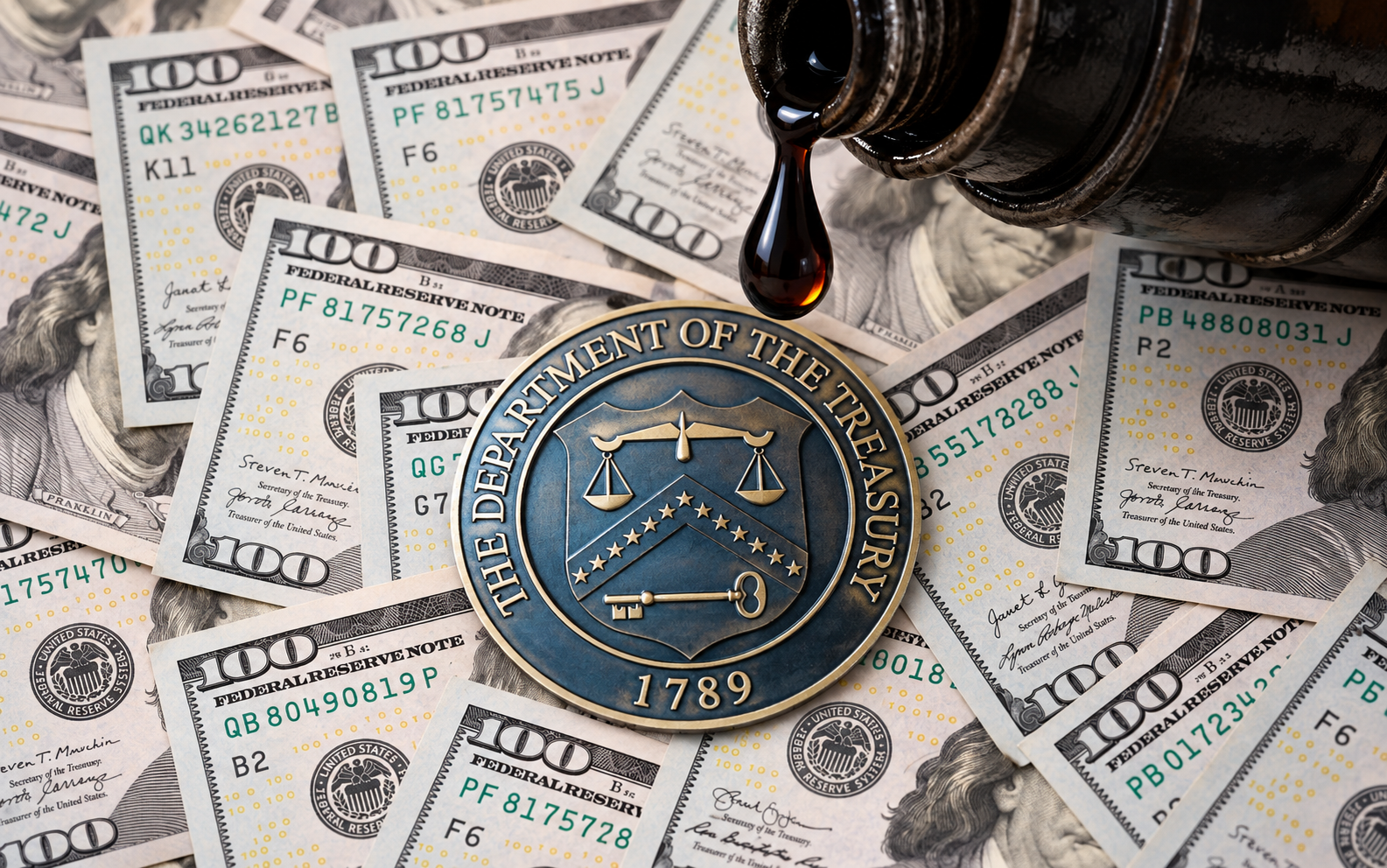
U.S. stocks came under renewed pressure Monday as higher oil prices and rising Treasury yields tightened financial conditions across markets. The combination is creating a more challenging backdrop for equities, particularly companies whose valuations and expansion plans depend heavily on access to capital.
Oil Rebounds as Hormuz Talks Stall
U.S. crude rose 3.5% to $95.60 a barrel, while Brent crude gained 3.4% to $107.86. The renewed advance followed a lack of progress in discussions surrounding the Strait of Hormuz, with the latest diplomatic efforts failing to produce a breakthrough.
Higher energy prices are particularly important for markets because they can add to inflationary pressure and reinforce expectations for tighter monetary policy. Gold also declined sharply, with spot prices falling 3.9% to $4,119.55 an ounce as the rise in oil contributed to renewed inflation concerns.
Treasury Yields Add to Equity Pressure
The bond market provided another source of pressure. The 10-year Treasury yield climbed to 5.26%, while the 30-year yield reached 5.576%. The 10-year rate briefly touched its highest level since June 2007, and the 30-year yield reached its highest level since May 2004.
Shorter-term yields have also risen rapidly. The two-year Treasury yield has increased 56 basis points during September, representing its largest monthly rise since February 2023. The move reflects growing expectations that the Federal Reserve could continue raising rates to address persistent inflation.
Rate Expectations Reshape the Yield Curve
Markets are now pricing approximately a 70% probability of another Federal Reserve rate increase in October. The rise in two-year yields has also narrowed the spread between two-year and 10-year Treasury yields to roughly 31 basis points from around 40 basis points a month earlier, indicating a flatter yield curve.
For equities, the issue is not simply the level of rates but how quickly financial conditions are changing. Higher yields increase the discount rate applied to future corporate earnings, potentially placing greater pressure on companies with elevated valuations or substantial financing requirements.
AI Spending Faces a Higher Cost of Capital
The increasing cost of capital is becoming particularly relevant for artificial intelligence companies and hyperscalers. Major technology companies have committed billions of dollars to data centers, computing infrastructure and AI development, with debt financing forming part of the broader investment cycle.
Higher borrowing costs can raise the expense of those projects while also increasing the hurdle rate investors apply to future earnings. Nvidia was an exception during Monday’s decline, gaining about 2% after announcing an additional $150 billion authorization for share repurchases, its largest increase to date.
Economic Data Could Set the Next Direction
Despite the pressure from oil and yields, the broader U.S. economy and corporate earnings have so far provided support for risk assets. The key question is whether that resilience can continue if financial conditions tighten further.
This week’s September payrolls report and personal consumption expenditures price index will provide fresh information on employment and inflation. Strong economic data could reinforce expectations for higher rates, while signs of weakening employment or easing inflation could influence the market’s assessment of the Federal Reserve’s next steps.
Dollar Strength Adds Another Market Signal
The stronger-rate environment has also supported the U.S. dollar. The euro fell 0.25% to $1.1363, while the dollar rose 0.18% against the Japanese yen to 157.54. Japanese officials have continued warning against excessive weakness in the yen.
With oil prices, Treasury yields, inflation expectations and monetary policy increasingly interconnected, investors may be watching whether the stock market can maintain its recent resilience. A further rise in yields could increase pressure on equity valuations, while developments in energy markets and upcoming economic data may determine whether that pressure intensifies or begins to ease.
Comparison, examination, and analysis between investment houses
Leave your details, and an expert from our team will get back to you as soon as possible
* This article, in whole or in part, does not contain any promise of investment returns, nor does it constitute professional advice to make investments in any particular field.
To read more about the full disclaimer, click here
- orshu
- •
- 6 Min Read
- •
- ago 2 hours
SKN | Tel Aviv Stocks Extend Decline as TA-90 Falls 0.92% and Market Breadth Weakens
Tel Aviv Market Remains Under Pressure The Tel Aviv Stock Exchange closed September 28 with another broadly weaker session, as
- ago 2 hours
- •
- 6 Min Read

Tel Aviv Market Remains Under Pressure The Tel Aviv Stock Exchange closed September 28 with another broadly weaker session, as
- orshu
- •
- 6 Min Read
- •
- ago 2 hours
SKN | European Markets Close Mixed as MSCI Europe Declines While Pound Gains
European markets closed with a mixed tone on September 28, as modest declines across several major equity benchmarks outweighed
- ago 2 hours
- •
- 6 Min Read
European markets closed with a mixed tone on September 28, as modest declines across several major equity benchmarks outweighed

- omer bar
- •
- 7 Min Read
- •
- ago 5 hours
SKN | Could Surging Treasury Yields Eventually Challenge the Stock Market’s Resilience?
U.S. equities closed higher Friday, allowing major indexes to finish a volatile week in positive territory despite a sharp rise
- ago 5 hours
- •
- 7 Min Read

U.S. equities closed higher Friday, allowing major indexes to finish a volatile week in positive territory despite a sharp rise
- orshu
- •
- 6 Min Read
- •
- ago 5 hours
SKN | U.S. Markets Trade Lower as Dow and Nasdaq Lead Broad Equity Declines
U.S. markets are trading lower on September 28, with selling pressure extending across several major equity benchmarks. The session
- ago 5 hours
- •
- 6 Min Read

U.S. markets are trading lower on September 28, with selling pressure extending across several major equity benchmarks. The session
