


- omer bar
- •
- 9 Min Read
- •
- 45 minutes ago
Key Points
- Iran’s proposed tolls on the Strait of Hormuz could add structural costs to global oil trade, shifting markets from supply shocks to pricing power over access.
- Shipping and insurance costs are likely to rise significantly, as legal risks, rerouting, and tighter coverage increase pressure on global logistics.
- Oil markets may face sustained upward pressure, with higher transport costs and supply constraints reinforcing a “higher-for-longer” energy price environment.
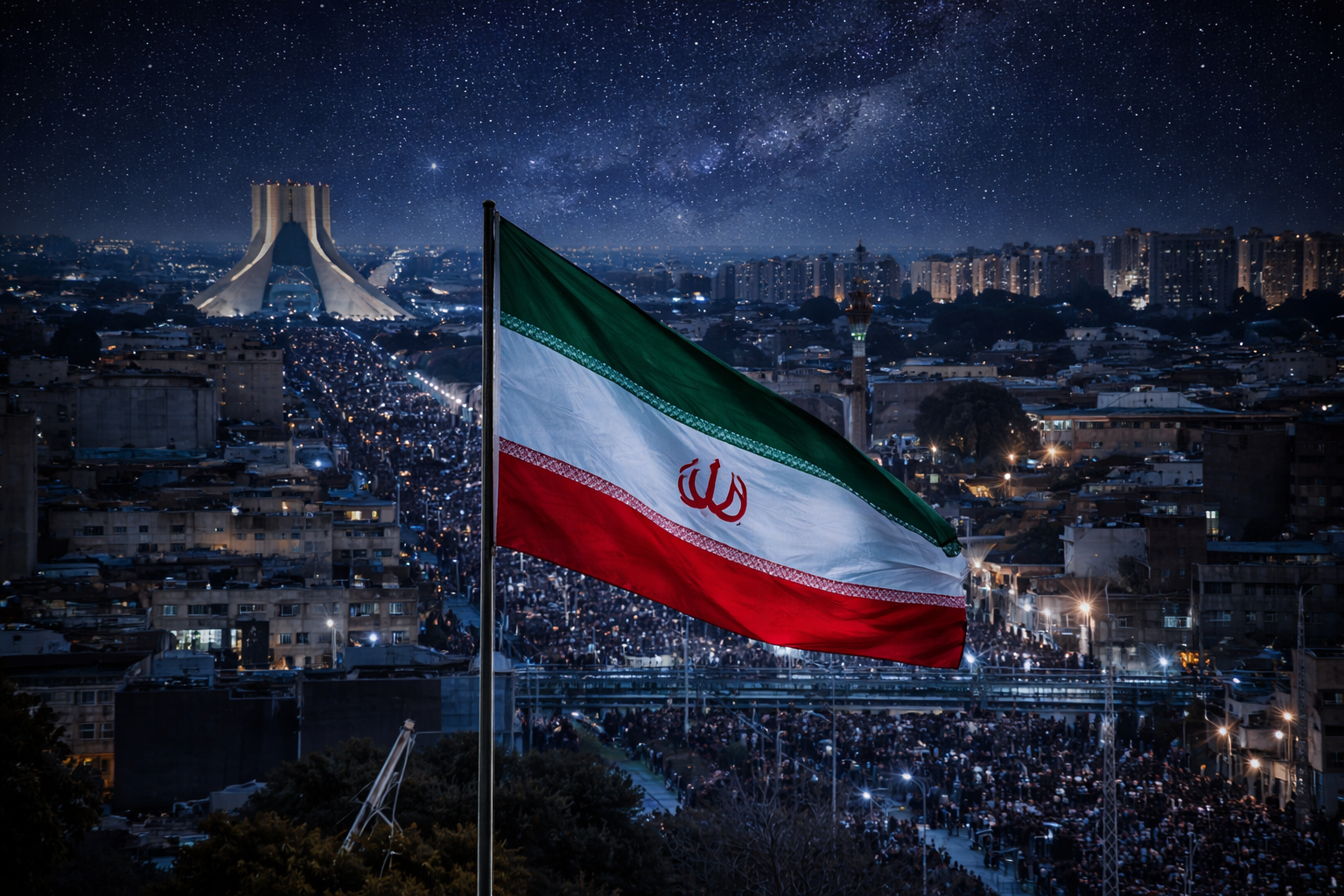
Iran’s move to formalize tolls for vessels passing through the Strait of Hormuz signals a potential turning point in global energy logistics. As one of the world’s most critical shipping routes remains heavily restricted, the proposal introduces a new layer of cost and uncertainty into already strained oil markets.
The Strait of Hormuz handles a significant share of global oil and gas flows, making any disruption immediately visible in pricing. Now, the possibility of formal transit fees is shifting market focus from short-term supply shocks to longer-term structural changes in trade economics.
For investors and policymakers, this is no longer just a geopolitical issue — it is a pricing issue.
A Strategic Shift From Control to Monetization
Iran’s draft legislation would institutionalize tolls for ships seeking safe passage through the strait, effectively converting geopolitical leverage into a revenue stream. Reports indicate that informal payments — in some cases reaching up to $2 million per vessel — have already been requested, but the proposed law would formalize the process.
This marks a significant escalation in strategy.
Historically, control over chokepoints like Hormuz has been used as a pressure tool during periods of conflict. Formal tolling, however, introduces a new model — one where access is not only restricted but monetized.
If implemented, this could redefine how strategic waterways are used in modern geopolitical conflicts.
More importantly, it introduces a structural cost into global energy trade. Unlike temporary disruptions, a toll system could persist beyond immediate tensions, embedding higher transportation costs into the global supply chain.
Shipping Industry Faces Legal and Operational Challenges
The proposal presents complex challenges for global shipping companies.
Freedom of navigation through international waterways has long been a cornerstone of global trade. A unilateral toll system could face legal resistance, raising questions about enforcement and compliance.
Shipping firms are now caught in a difficult position. Paying tolls may ensure safer passage but could create exposure to sanctions or regulatory risks. Refusing to comply could lead to delays, rerouting, or increased security threats for vessels and crews.
At the same time, insurance markets are likely to tighten conditions. Higher premiums, stricter coverage requirements, and increased scrutiny over routes could significantly raise the cost of transporting oil through the region.
These pressures could reduce shipping efficiency and capacity, adding further strain to global supply chains.
Oil Markets Face Structural Repricing Pressure
The impact on energy markets is already visible.
Disruptions in the Strait of Hormuz have contributed to a surge in oil prices, with Brent crude recently moving above $110 per barrel. The introduction of formal tolls could reinforce this upward trend by adding a direct cost to energy transportation.
This creates a compounding effect.
Higher transport costs, combined with reduced supply flows, increase the likelihood of sustained elevated prices. Markets are no longer reacting solely to production levels — they are now factoring in access costs and logistical constraints.
As a result, oil prices may remain higher for longer, particularly if tolling becomes normalized.
Global Trade and Energy Strategy Begin to Shift
The broader implications extend beyond immediate price movements.
Import-dependent countries may accelerate efforts to diversify supply routes, invest in alternative infrastructure, or expand strategic reserves. Over time, this could reshape global energy flows and reduce reliance on chokepoints like Hormuz.
Meanwhile, producers outside the region could benefit from higher prices and increased demand, potentially altering competitive dynamics within the global energy market.
This shift highlights how geopolitical actions can drive long-term structural changes in trade patterns.
Financial Markets Adjust to New Cost Realities
The introduction of tolls is also influencing broader financial markets.
Rising energy costs feed into inflation, impacting consumer prices and business margins. Equity markets, particularly in transport and manufacturing sectors, face pressure from higher input costs. At the same time, bond markets are adjusting to the possibility of prolonged inflation linked to energy prices.
For investors, this environment requires a reassessment of risk.
Energy is no longer just a commodity — it is a central driver of macroeconomic conditions.
Outlook: A New Era for Global Trade or Temporary Disruption?
The key question now is whether Iran’s toll proposal becomes a lasting feature of global trade or remains a temporary response to geopolitical tensions.
If implemented and sustained, it could challenge long-standing norms around maritime access and introduce a new era of geopolitically driven pricing power. If tensions ease, the pressure on shipping routes and costs could stabilize more quickly.
For now, markets are watching closely.
The Bottom Line
Iran’s Hormuz toll plan could mark a fundamental shift in global energy economics.
Access to supply is becoming as important as supply itself.
Costs are rising not just from production, but from transportation risk.
If sustained, this development could reshape global oil trade, shipping economics, and market pricing for years to come.
Comparison, examination, and analysis between investment houses
Leave your details, and an expert from our team will get back to you as soon as possible
* This article, in whole or in part, does not contain any promise of investment returns, nor does it constitute professional advice to make investments in any particular field.
To read more about the full disclaimer, click here
- Lior mor
- •
- 8 Min Read
- •
- ago 30 minutes
SKN | Is Oil Entering a New Volatility Regime as Iran Rejects Talks and Supply Risks Intensify?
Oil markets are swinging sharply again as conflicting geopolitical signals reshape expectations around supply disruptions and diplomacy. West Texas Intermediate
- ago 30 minutes
- •
- 8 Min Read

Oil markets are swinging sharply again as conflicting geopolitical signals reshape expectations around supply disruptions and diplomacy. West Texas Intermediate

- omer bar
- •
- 6 Min Read
- •
- ago 12 hours
SKN | Oil Rebounds Amid Middle East Tensions—Are Markets Underestimating the Supply Shock?
Oil prices edged higher as geopolitical uncertainty in the Middle East continues to dominate market sentiment, highlighting the fragile balance
- ago 12 hours
- •
- 6 Min Read

Oil prices edged higher as geopolitical uncertainty in the Middle East continues to dominate market sentiment, highlighting the fragile balance
- Lior mor
- •
- 9 Min Read
- •
- ago 1 day
SKN | Is Oil’s Sudden Drop Signaling a Shift From War Premium to Diplomacy Risk?
Brent crude prices fell sharply below $100 per barrel, dropping roughly 5% and reversing the previous session’s gains as markets
- ago 1 day
- •
- 9 Min Read

Brent crude prices fell sharply below $100 per barrel, dropping roughly 5% and reversing the previous session’s gains as markets

- sagi habasov
- •
- 9 Min Read
- •
- ago 1 day
SKN | Strait of Hormuz Crisis: Why Western Powers May Face a Harder Test Than the Red Sea Failure
The escalating crisis around the Strait of Hormuz is rapidly becoming one of the most consequential geopolitical risks for global
- ago 1 day
- •
- 9 Min Read
The escalating crisis around the Strait of Hormuz is rapidly becoming one of the most consequential geopolitical risks for global

