





- sagi habasov
- •
- 6 Min Read
- •
- 9 minutes ago


Key Points
- U.S. Treasury yields were little changed as investors awaited further signals from Federal Reserve officials, with the 10-year yield near 4.97%, the 2-year yield around 4.76% and the 30-year yield above 5.30%.
- Chicago Fed President Austan Goolsbee highlighted persistent inflation risks, particularly in services and from the possibility that AI data-center construction could push aggregate demand beyond the economy’s capacity.
- Oil markets remain another source of uncertainty for inflation and interest-rate expectations, with Brent crude near $100 a barrel and WTI around $96 as investors assessed developments involving Iran and the Strait of Hormuz.

Treasury Yields Hold Near Elevated Levels
U.S. Treasury yields were broadly stable Tuesday as investors waited for additional commentary from Federal Reserve officials and looked for clues about the economy’s inflation trajectory. The benchmark 10-year Treasury yield was more than 1 basis point higher at 4.974%, while the 2-year yield rose less than 1 basis point to 4.762%.
The 30-year Treasury yield also edged higher by 1 basis point to 5.306%. The moves were modest, but the levels remain significant for financial markets because higher long-term yields can influence borrowing costs, equity valuations and expectations for future monetary policy.
Fed Officials Focus on Persistent Inflation
Attention is turning to comments from Michael S. Barr, a member of the Federal Reserve Board of Governors, who is scheduled to speak Wednesday at a housing affordability summit in Chicago. His remarks could provide another indication of how policymakers are assessing inflation and economic demand.
The comments follow warnings from Chicago Fed President Austan Goolsbee, who said he was particularly focused on elevated inflation in service-sector industries and potential spillover from AI data-center construction. His concern is that a surge in AI-related investment could eventually push overall economic output and demand beyond what the economy can comfortably absorb.
Inflation Expectations Remain a Challenge
Goolsbee also highlighted the repeated delays in forecasts for when inflation would peak and begin declining. Expectations initially pointed toward the fourth quarter of 2025, followed by forecasts for the first three quarters of 2026 and then later periods, with some projections now extending into 2027.
The shifting timeline illustrates why inflation remains an important variable for Treasury markets. If price pressures prove more persistent than anticipated, investors may need to adjust expectations for the path of interest rates, potentially keeping yields elevated for longer.
Oil Adds Another Inflation Variable
Energy markets are adding another layer of uncertainty. Brent crude futures for November delivery were trading around $100 a barrel, while West Texas Intermediate futures were near $96. Prices had moved lower earlier in the session following reports that Iran could reopen the Strait of Hormuz within seven days and that Saudi Arabia was seeking to restart its East-West pipeline.
However, geopolitical developments remain fluid. President Donald Trump said at the United Nations that he faces a major decision regarding Iran, while pressure from Washington on Tehran has increased. The combination of geopolitical uncertainty and elevated crude prices means energy costs remain an important factor for investors assessing the inflation outlook.
What Investors May Watch Next
Markets will focus on Barr’s upcoming comments and any additional guidance from Federal Reserve officials regarding inflation, economic demand and monetary policy. Investors may also track Treasury yields around the 5% level, developments in AI-related capital spending and the direction of oil prices. A combination of persistent inflation and elevated energy costs could keep pressure on the bond market, while evidence of easing price pressures could influence expectations in the opposite direction.
Comparison, examination, and analysis between investment houses
Leave your details, and an expert from our team will get back to you as soon as possible
* This article, in whole or in part, does not contain any promise of investment returns, nor does it constitute professional advice to make investments in any particular field.
To read more about the full disclaimer, click here
- sagi habasov
- •
- 6 Min Read
- •
- ago 8 hours
SKN | U.S. Treasury Yields Ease as Investors Reassess Fed Policy Ahead of Fresh Labor Data
U.S. Treasury yields moved lower as investors reassessed the outlook for Federal Reserve policy following a period of significant
- ago 8 hours
- •
- 6 Min Read

U.S. Treasury yields moved lower as investors reassessed the outlook for Federal Reserve policy following a period of significant
- sagi habasov
- •
- 7 Min Read
- •
- ago 22 hours
SKN | Yen Weakens as BOJ Signals Caution and Markets Watch for Currency Intervention
The Japanese yen weakened on Monday as markets assessed the possibility of official intervention following a recent decline that
- ago 22 hours
- •
- 7 Min Read

The Japanese yen weakened on Monday as markets assessed the possibility of official intervention following a recent decline that

- Ronny Mor
- •
- 8 Min Read
- •
- ago 23 hours
SKN | Fed’s Musalem Signals More Rate Hikes May Be Needed as Inflation Risks Persist
The Federal Reserve may need to raise interest rates further as persistent demand and broader supply pressures keep U.S.
- ago 23 hours
- •
- 8 Min Read
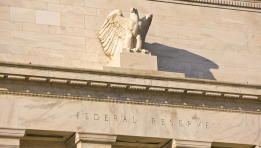
The Federal Reserve may need to raise interest rates further as persistent demand and broader supply pressures keep U.S.

- Lior mor
- •
- 6 Min Read
- •
- ago 2 days
SKN | Yen Volatility Puts Japan Back on Intervention Watch as Global Currencies Steady
The yen has returned to the center of global currency markets after a sharp decline last week revived speculation that
- ago 2 days
- •
- 6 Min Read

The yen has returned to the center of global currency markets after a sharp decline last week revived speculation that

