





- Ronny Mor
- •
- 6 Min Read
- •
- 2 hours ago
Key Points
- President Donald Trump held a Situation Room meeting to discuss a potential expansion of U.S. military action involving Iran, increasing market attention toward geopolitical risks.
- Investors are monitoring the possible impact on oil prices, inflation expectations, and global financial market stability.
- Energy markets, defense companies, and safe-haven assets could remain sensitive as markets assess future developments.
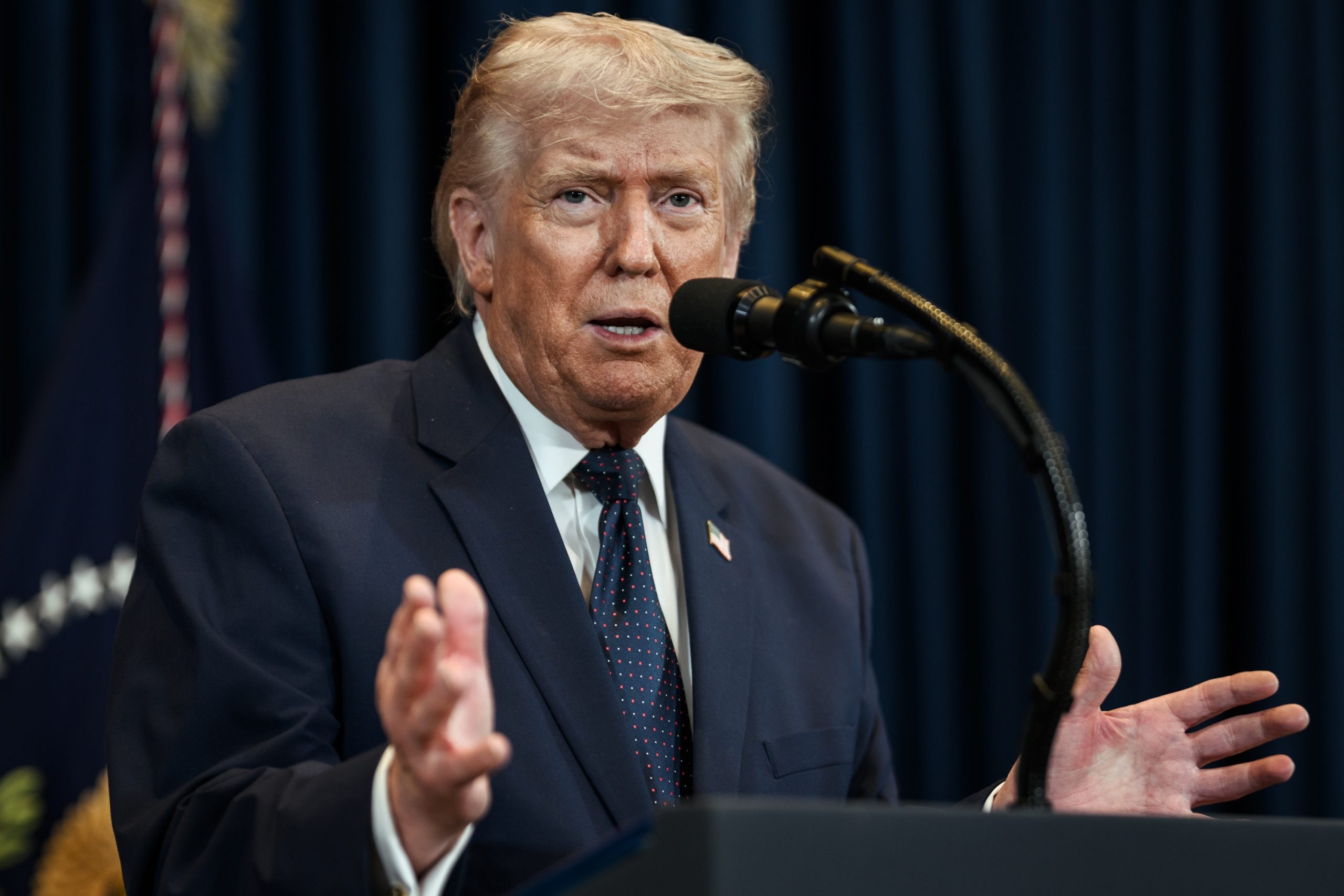
President Donald Trump held a high-level Situation Room meeting on Tuesday to discuss a possible large-scale offensive involving Iran, increasing investor focus on rising geopolitical risks in the Middle East. The discussions come at a time when global markets remain sensitive to developments that could affect energy supplies, inflation trends, and broader economic confidence.
Geopolitical Tensions Return to the Center of Market Attention
The reported discussions surrounding a potential U.S. military escalation with Iran have placed geopolitical uncertainty back at the forefront of financial markets. The Middle East remains a strategically important region for global energy markets, and any increase in tensions involving Iran can quickly influence investor sentiment across commodities, currencies, and equities.
Markets typically react not only to confirmed events but also to the possibility of future disruptions. Investors often adjust their positions based on expectations regarding energy supply risks, regional stability, and potential economic consequences. However, market participants continue to distinguish between military planning and confirmed policy decisions, with future developments likely to determine the scale of the market response.
Oil Prices and Inflation Risks Remain Key Economic Factors
Energy markets are among the areas most directly affected by geopolitical developments involving major oil-producing regions. Any escalation that threatens production capacity, transportation routes, or regional stability could create additional upward pressure on crude prices.
Higher oil prices could have broader economic implications by increasing transportation expenses, raising production costs, and influencing consumer prices. For central banks, including the U.S. Federal Reserve, renewed energy-driven inflation pressures could complicate decisions regarding interest rates and monetary policy.
Industries with high exposure to fuel costs, including airlines, logistics companies, manufacturing firms, and chemical producers, may face increased pressure if energy prices rise significantly. At the same time, energy producers and defense-related companies could receive greater investor attention during periods of heightened geopolitical uncertainty.
Global Investors Evaluate Market Risks and Strategic Implications
For investors in Israel and international markets, developments involving the United States and Iran carry significant implications beyond regional security concerns. Geopolitical events can influence global capital flows, currency movements, bond markets, and investor appetite for risk.
Israel’s financial markets remain particularly sensitive to developments in the Middle East, while international investors continue evaluating how regional tensions could affect economic activity, business confidence, and supply chains. The potential for increased volatility highlights the importance of monitoring both political developments and broader market fundamentals.
Financial markets are also watching diplomatic efforts, government statements, and responses from international partners as they assess whether tensions could escalate further or move toward stabilization.
Looking ahead, investors will closely monitor developments related to U.S. policy toward Iran, regional security conditions, oil market reactions, and broader economic indicators. Whether the situation creates sustained market volatility will likely depend on the scale of any future actions, the international response, and the resilience of global energy supplies and financial markets.
Comparison, examination, and analysis between investment houses
Leave your details, and an expert from our team will get back to you as soon as possible
* This article, in whole or in part, does not contain any promise of investment returns, nor does it constitute professional advice to make investments in any particular field.
To read more about the full disclaimer, click here
- Ronny Mor
- •
- 7 Min Read
- •
- ago 2 weeks
SKN | Why Is Australia Strengthening Its Child Social Media Ban Despite Political Opposition?
Australia's government is intensifying its efforts to enforce the world's first nationwide social media ban for children under the
- ago 2 weeks
- •
- 7 Min Read

Australia's government is intensifying its efforts to enforce the world's first nationwide social media ban for children under the

- Lior mor
- •
- 7 Min Read
- •
- ago 4 weeks
SKN | Could U.S. Drug Pricing Dispute With Germany Trigger a New Pharmaceutical Trade Battle?
The United States has opened a new front in its global trade agenda by launching an investigation into Germany's pharmaceutical
- ago 4 weeks
- •
- 7 Min Read
The United States has opened a new front in its global trade agenda by launching an investigation into Germany's pharmaceutical

- sagi habasov
- •
- 9 Min Read
- •
- ago 4 weeks
SKN | Bernie Sanders Proposes $1,000 Annual AI Dividend Through Public Ownership of AI Companies
Sanders Pushes for Public Ownership of AI Growth Senator Bernie Sanders (I-Vermont) unveiled a proposal Thursday aimed at ensuring Americans
- ago 4 weeks
- •
- 9 Min Read
Sanders Pushes for Public Ownership of AI Growth Senator Bernie Sanders (I-Vermont) unveiled a proposal Thursday aimed at ensuring Americans
- Lior mor
- •
- 8 Min Read
- •
- ago 4 weeks
SKN | GM and Lockheed Martin Defense Supply Talks Signal Deepening Industrial-Military Tech Convergence
General Motors (GM) is reportedly in talks to supply weapons-related parts to Lockheed Martin, according to a Wall Street Journal
- ago 4 weeks
- •
- 8 Min Read
General Motors (GM) is reportedly in talks to supply weapons-related parts to Lockheed Martin, according to a Wall Street Journal


