





- Lior mor
- •
- 6 Min Read
- •
- 3 minutes ago


Key Points
- 10-year yield briefly crosses 5%: The benchmark Treasury yield reached 5.014%, its highest level since October 2023, before retreating toward 4.955%.
- Markets expect another Fed hike: Traders are assigning a 90% probability to a 25-basis-point rate increase, making the policy decision a critical catalyst for bonds and equities.
- Fiscal and inflation risks remain: Heavy Treasury issuance, large federal deficits, sticky inflation and elevated oil prices are increasing the compensation investors demand for long-term bonds.

U.S. Treasury yields briefly crossed a psychologically important threshold Monday as investors positioned for this week’s Federal Reserve decision. The 10-year yield reached 5.014% before reversing lower, highlighting the tension between persistent inflation, heavy government borrowing and expectations for another increase in short-term interest rates.
Why Is the 5% Yield Level So Important?
The 10-year Treasury yield, which influences borrowing costs across mortgages, auto loans and credit cards, was last around 4.955%, down roughly two basis points after touching its highest level since October 2023. The 30-year Treasury yield also declined more than two basis points to approximately 5.328%, while the policy-sensitive two-year yield slipped toward 4.626%.
A sustained move above 5.02% would take the 10-year yield to its highest level since July 2007, before the Global Financial Crisis. However, the significance of the threshold extends beyond the headline number. Rising yields driven by solid economic growth can be less damaging to equities than increases caused by inflation, fiscal deterioration or dysfunction in the Treasury market.
Fed Expectations Are Raising the Stakes
Recent inflation data have done little to eliminate pressure on policymakers. August consumer prices matched expectations but remained well above the Federal Reserve’s 2% target, leaving investors focused on whether officials will respond more aggressively to persistent price pressures.
Markets are now pricing roughly a 90% probability of a 25-basis-point rate increase at the upcoming meeting. That creates an unusual setup for equities: a hike may already be reflected in asset prices, while a decision to leave rates unchanged could be interpreted as evidence that policymakers are falling behind inflation.
The reaction may therefore depend less on the rate decision itself and more on the Fed’s communication regarding future policy. Investors will be watching whether officials signal additional tightening or suggest that the current move could represent a peak.
Can Treasury Buybacks Stop Long-Term Yields From Rising?
Treasury Secretary Scott Bessent has attempted to reduce pressure at the long end of the curve through an expanded bond buyback program. However, such measures have limited influence when the underlying forces driving yields higher remain intact. The enormous scale of Treasury trading also makes it difficult for official purchases to overwhelm broader supply-and-demand dynamics.
Heavy government borrowing and corporate debt issuance are competing for investor capital, while the combination of fiscal deficits, sticky inflation and rising oil prices has contributed to a higher term premium. Investors are demanding greater compensation for taking long-duration exposure rather than repeatedly investing in short-term Treasury bills.
Could a Treasury Market Shock Become the Bigger Risk?
For now, the move above 5% has not triggered a disorderly equity selloff. Stocks have remained relatively resilient, suggesting investors still view the yield increase as manageable. The greater concern would emerge if higher funding costs and volatility forced leveraged investors to unwind Treasury positions simultaneously.
That scenario could amplify selling across bonds and potentially spill into equities. For investors, the key question is therefore not simply whether the 10-year yield can remain above 5%, but whether rising yields continue to reflect economic resilience or begin signaling deeper inflation, fiscal and market-structure risks.
Comparison, examination, and analysis between investment houses
Leave your details, and an expert from our team will get back to you as soon as possible
* This article, in whole or in part, does not contain any promise of investment returns, nor does it constitute professional advice to make investments in any particular field.
To read more about the full disclaimer, click here
- Lior mor
- •
- 6 Min Read
- •
- ago 18 hours
SKN | Dollar Holds Steady as Yen Nears Seven-Month High Ahead of Fed and BOJ Meetings
The U.S. dollar remained largely steady on September 14, while the Japanese yen held close to a seven-month high as
- ago 18 hours
- •
- 6 Min Read

The U.S. dollar remained largely steady on September 14, while the Japanese yen held close to a seven-month high as
- Lior mor
- •
- 7 Min Read
- •
- ago 1 day
SKN | Yen Turns Net Long as Speculators Reassess Japan’s Currency Outlook
Speculative positioning in the Japanese yen has shifted decisively, with traders moving to a net long position for the
- ago 1 day
- •
- 7 Min Read

Speculative positioning in the Japanese yen has shifted decisively, with traders moving to a net long position for the

- omer bar
- •
- 7 Min Read
- •
- ago 2 days
SKN | U.S. Inflation Accelerates as August Consumer Prices Strengthen the Case for a Federal Reserve Rate Hike
U.S. consumer inflation accelerated in August, reinforcing expectations that the Federal Reserve will raise interest rates at its September policy
- ago 2 days
- •
- 7 Min Read
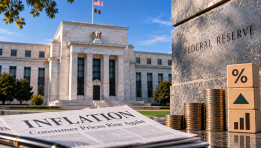
U.S. consumer inflation accelerated in August, reinforcing expectations that the Federal Reserve will raise interest rates at its September policy

- sagi habasov
- •
- 7 Min Read
- •
- ago 3 days
SKN | U.S. 10-Year Treasury Yield Pulls Back From 5% as Inflation Data Eases Bond Market Pressure
The global bond selloff eased on September 11 after the latest U.S. inflation report broadly matched economist expectations, giving
- ago 3 days
- •
- 7 Min Read

The global bond selloff eased on September 11 after the latest U.S. inflation report broadly matched economist expectations, giving

