





- sagi habasov
- •
- 6 Min Read
- •
- 2 months ago


Key Points
- Citadel has reduced more than 80% of the positions inherited from Situational Awareness, according to a letter reviewed by Reuters.
- The portfolio originated with Leopold Aschenbrenner’s AI-focused hedge fund, which suffered heavy losses in technology holdings.
- The move highlights the rapid repricing and risk reduction taking place across parts of the AI-focused investment landscape.

Billionaire investor Ken Griffin’s Citadel has shed more than 80% of the bets contained in the original portfolio of Situational Awareness, the AI-focused hedge fund founded by former OpenAI researcher Leopold Aschenbrenner. The development comes only weeks after Citadel acquired most of Situational’s stock holdings following losses in technology shares that forced the fund to unwind much of its public-equities portfolio.
Citadel Rapidly Repositions the Acquired Portfolio
The scale of Citadel’s reduction indicates that the acquisition of Situational Awareness’s holdings did not represent a commitment to maintain the portfolio in its existing form. According to the investor letter seen by Reuters, Citadel has already disposed of more than four-fifths of the original bets, underscoring the difference between acquiring a pool of securities and adopting the investment thesis behind those positions.
For a large multi-strategy hedge fund such as Citadel, the ability to reassess positions rapidly is central to portfolio management. The decision to reduce most of the inherited exposure suggests that Citadel evaluated the securities independently rather than treating the transaction as a continuation of Situational’s strategy.
AI Exposure Faces a More Demanding Market Environment
Situational Awareness had built its strategy around companies and themes linked to artificial intelligence, but losses in technology holdings forced the fund to unwind most of its public-equity portfolio. The episode illustrates the volatility that can emerge when concentrated exposure to a rapidly developing technology theme meets changing market valuations and risk appetite.
The broader AI investment narrative remains significant across global equity markets, but the experience of Situational Awareness demonstrates that strong structural expectations for AI adoption do not eliminate portfolio-level risks. Technology shares can experience substantial valuation adjustments when investor expectations, earnings prospects or broader financial conditions change.
What the Portfolio Reduction Signals for Hedge Funds
Citadel’s decision to substantially reduce the acquired positions also highlights the importance of portfolio flexibility in an environment where market leadership can shift quickly. Rather than preserving exposure accumulated under a different manager, Citadel appears to have used its own risk framework to determine which holdings remained appropriate for its strategies.
The transaction also illustrates how distressed or rapidly unwound portfolios can become a source of liquidity for larger institutional investors. Situational Awareness’s decision to sell most of its stock positions provided Citadel with access to a portfolio that could subsequently be evaluated, traded or restructured according to its own investment process.
Going forward, investors will be watching whether Citadel continues to reduce the remaining positions from the Situational Awareness portfolio and whether the transaction produces any broader changes in institutional exposure to AI-related equities. The episode also keeps attention on concentration risk, technology valuations and the ability of hedge funds to adjust portfolios as market conditions evolve.
Comparison, examination, and analysis between investment houses
Leave your details, and an expert from our team will get back to you as soon as possible
* This article, in whole or in part, does not contain any promise of investment returns, nor does it constitute professional advice to make investments in any particular field.
To read more about the full disclaimer, click here
- sagi habasov
- •
- 7 Min Read
- •
- ago 3 hours
SKN | Four Warning Signs Point to Further Stress in the U.S. Bond Market
The U.S. Treasury market is entering a period of heightened pressure as rapidly rising yields raise concerns that bond
- ago 3 hours
- •
- 7 Min Read

The U.S. Treasury market is entering a period of heightened pressure as rapidly rising yields raise concerns that bond

- omer bar
- •
- 6 Min Read
- •
- ago 3 hours
SKN | Lockheed Martin Unveils PAC-3 Edge to Counter Hypersonic and Advanced Missile Threats
Lockheed Martin has unveiled a new generation of missile-defense technology as the U.S. military seeks to strengthen its ability
- ago 3 hours
- •
- 6 Min Read
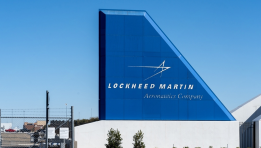
Lockheed Martin has unveiled a new generation of missile-defense technology as the U.S. military seeks to strengthen its ability

- Ronny Mor
- •
- 6 Min Read
- •
- ago 3 hours
SKN | EU Antitrust Review Puts November Deadline on UniCredit’s Commerzbank Takeover Bid
UniCredit’s proposed takeover of Commerzbank has entered a critical regulatory stage after the Italian lender sought approval from EU
- ago 3 hours
- •
- 6 Min Read
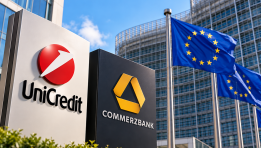
UniCredit’s proposed takeover of Commerzbank has entered a critical regulatory stage after the Italian lender sought approval from EU

- Lior mor
- •
- 6 Min Read
- •
- ago 4 hours
SKN | Netflix Plans 5% Workforce Reduction as Streaming Competition Intensifies
Netflix is reportedly preparing to reduce its workforce by approximately 5%, according to Puck News, in what would represent
- ago 4 hours
- •
- 6 Min Read

Netflix is reportedly preparing to reduce its workforce by approximately 5%, according to Puck News, in what would represent

