




- omer bar
- •
- 6 Min Read
- •
- 4 hours ago


Key Points
- China has vowed to respond firmly if the European Union introduces new trade restrictions targeting Chinese companies or products.
- Germany and France are reportedly pushing for a new EU trade instrument modeled on the U.S. Section 301 framework, as Brussels seeks to address its trade imbalance with China.
- Escalating tensions could affect supply chains, manufacturers and European and Chinese companies as both sides continue efforts to rebalance trade relations.
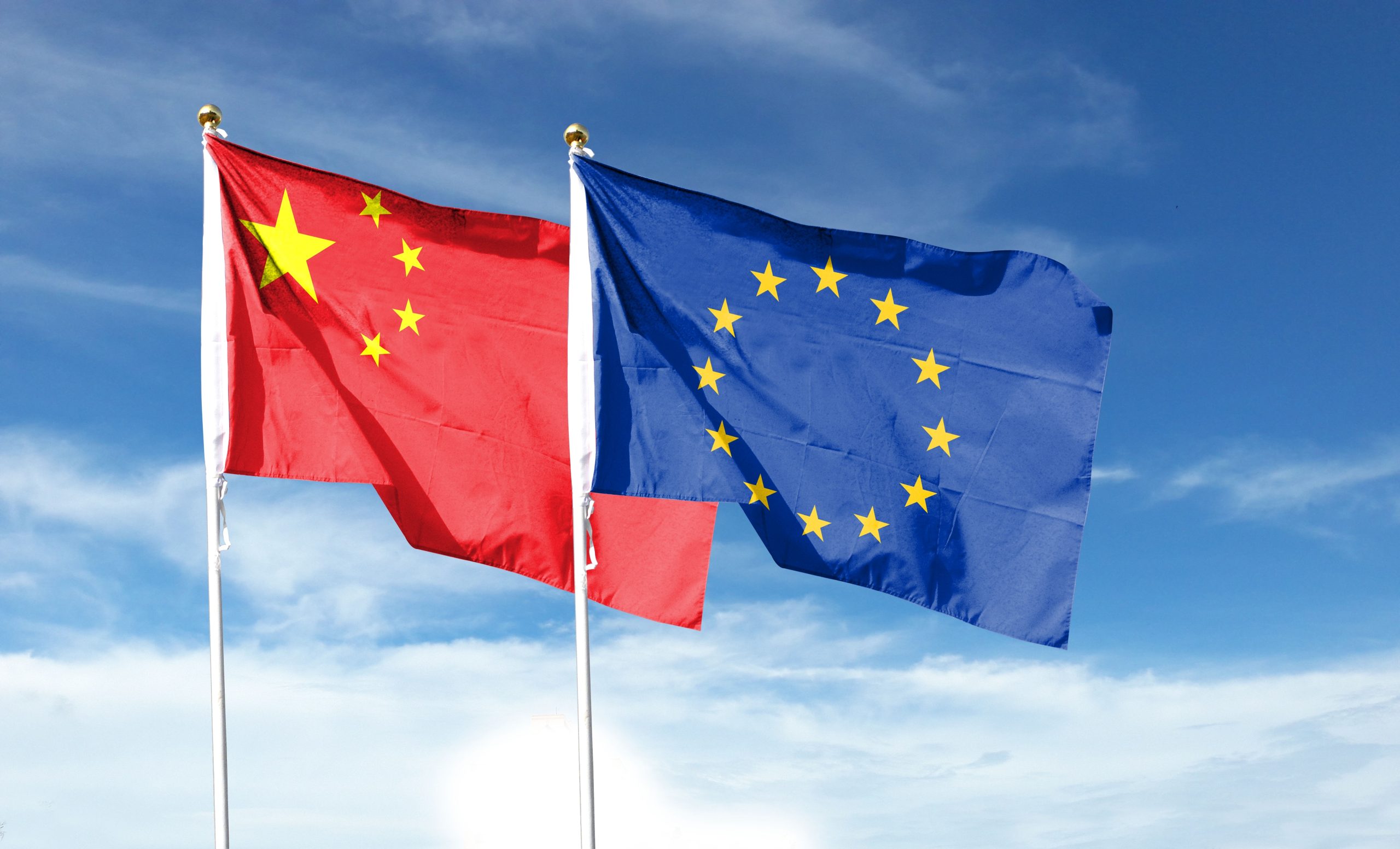
China has warned that it will respond firmly if the European Union moves ahead with new trade restrictions targeting Chinese companies or products. The warning comes as Brussels seeks to reduce its trade imbalance with China, adding another layer of uncertainty to global trade policy at a time when major economies are already reassessing supply chains and market access.
Beijing Warns Against Escalation in Trade Relations
China’s Commerce Ministry said that if the European Union adopts new restrictions, Beijing reserves the right to take measures to protect domestic industries. The ministry described the reported EU initiative as unilateral and protectionist, warning that increasing pressure on China while negotiations are underway could undermine mutual trust and the consultation process.
Germany and France are reportedly preparing a joint document calling on the European Commission to move more quickly on a mechanism designed to address trade practices viewed as unfair. The proposed instrument could resemble Section 301 of U.S. trade law, which allows Washington to take action against foreign trade practices it considers unfair or discriminatory.
EU Seeks to Rebalance Trade With China
The European initiative follows months of pressure on Beijing to reduce its trade surplus with the bloc. Discussions between the two sides began in June, with the European Commission seeking tangible progress by October. Measures under consideration reportedly include import quotas on Chinese goods, as part of a broader effort to improve European companies’ access to the Chinese market and narrow trade imbalances.
The European Union faces a difficult economic balance. On one side, policymakers want to protect domestic industries from competition they view as unfair. On the other, broader trade restrictions could raise costs for companies and consumers while creating disruptions across supply chains. The issue is particularly important for industries in which European and Chinese companies remain closely interconnected.
Chinese Retaliation Could Extend Beyond Tariffs
China’s potential response could extend beyond conventional tariffs. Measures under consideration could include investigations into discrimination, reviews involving industrial and supply-chain security, and scrutiny of the impact of foreign subsidies. Such steps could broaden the dispute beyond import duties and affect companies operating across both markets.
The developments also come as European companies and governments seek to diversify supply chains and reduce risks associated with dependence on China. For global markets, trade policy decisions could therefore affect not only import and export volumes, but also investment plans, production costs and operating strategies for multinational companies.
Investors will be watching the negotiations between Brussels and Beijing ahead of the October deadline, as well as the measures Germany and France ultimately ask the European Union to adopt. A shift from proposed policy tools to actual trade restrictions could increase uncertainty for companies operating between Europe and China, while progress in negotiations could keep the dispute within a diplomatic and economic framework.
Comparison, examination, and analysis between investment houses
Leave your details, and an expert from our team will get back to you as soon as possible
* This article, in whole or in part, does not contain any promise of investment returns, nor does it constitute professional advice to make investments in any particular field.
To read more about the full disclaimer, click here
- Lior mor
- •
- 6 Min Read
- •
- ago 12 hours
SKN | Could Plunging Consumer Confidence Signal a Sharper U.S. Economic Slowdown?
Consumer Confidence Falls Sharply U.S. consumer confidence deteriorated significantly in September, with households becoming more pessimistic about current economic conditions
- ago 12 hours
- •
- 6 Min Read

Consumer Confidence Falls Sharply U.S. consumer confidence deteriorated significantly in September, with households becoming more pessimistic about current economic conditions
- Lior mor
- •
- 6 Min Read
- •
- ago 14 hours
SKN | Could France’s Record 119% Debt-to-GDP Ratio Deepen Pressure on Its Economy?
France’s Debt Reaches a Historic Level France’s public finances are facing another significant test after government debt reached €3,595.5 billion
- ago 14 hours
- •
- 6 Min Read

France’s Debt Reaches a Historic Level France’s public finances are facing another significant test after government debt reached €3,595.5 billion
- Lior mor
- •
- 8 Min Read
- •
- ago 1 day
SKN | Could China’s September Factory Rebound Signal a Broader Economic Stabilization?
China’s manufacturing sector could return to expansion in September, offering a potential sign of stabilization for the world’s second-largest economy.
- ago 1 day
- •
- 8 Min Read
China’s manufacturing sector could return to expansion in September, offering a potential sign of stabilization for the world’s second-largest economy.

- omer bar
- •
- 7 Min Read
- •
- ago 1 day
SKN | Could Mesabi Metallics’ $15 Billion Iowa Steel Project Reshape U.S. Industrial Capacity?
President Donald Trump announced Monday that Mesabi Metallics plans to invest approximately $15 billion in a new steel plant in
- ago 1 day
- •
- 7 Min Read

President Donald Trump announced Monday that Mesabi Metallics plans to invest approximately $15 billion in a new steel plant in
