





- omer bar
- •
- 7 Min Read
- •
- 16 hours ago
Key Points
- China Southern Airlines secures a major agreement for Boeing cargo aircraft, strengthening its long-haul logistics and freight capacity.
- The deal reflects shifting dynamics in global air cargo demand, driven by e-commerce growth and supply chain restructuring.
- The agreement highlights intensifying competition among Asian carriers to secure next-generation freighter capacity.
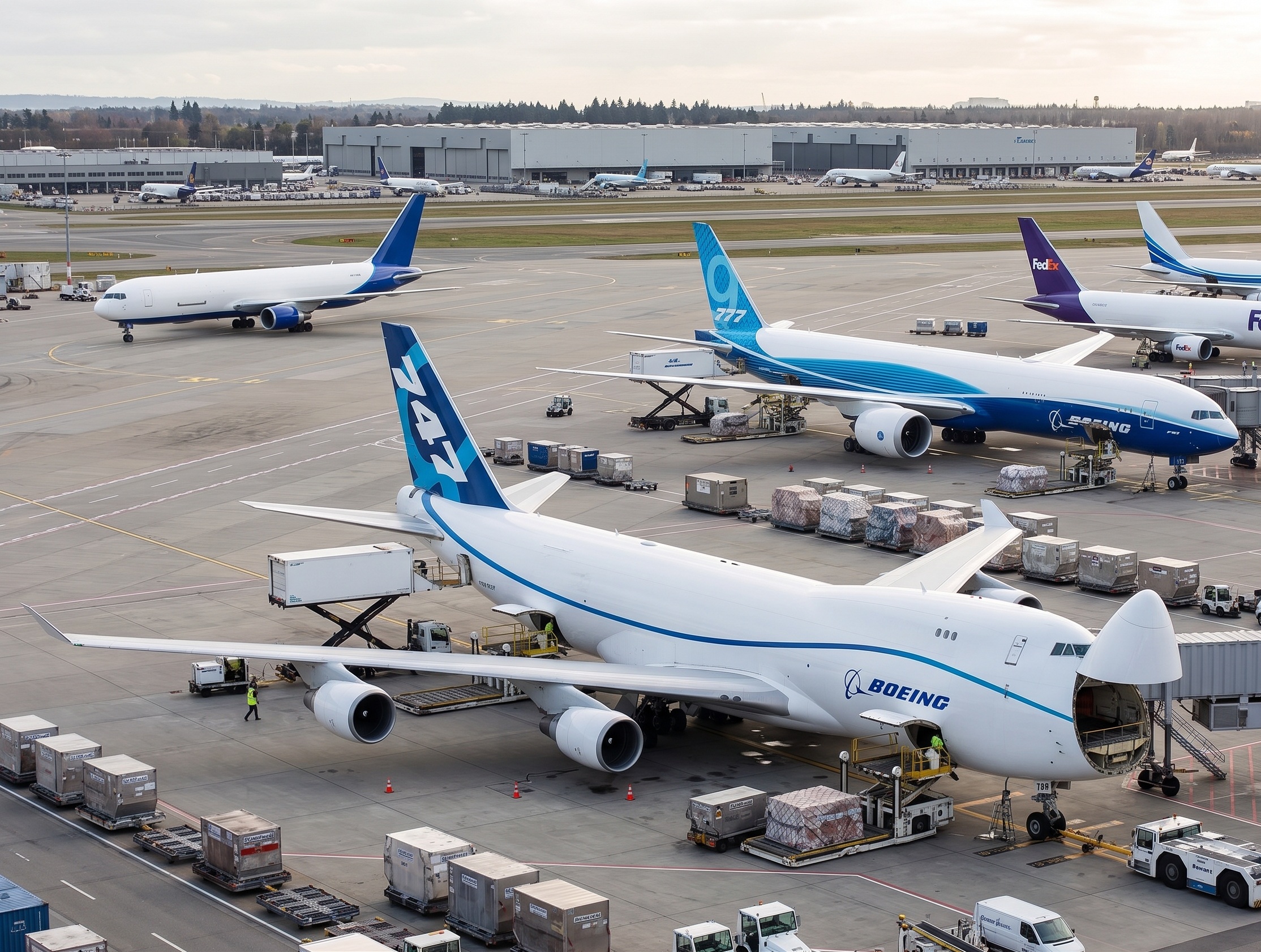
China Southern Airlines has reached a significant agreement with Boeing to expand its cargo aircraft fleet, signaling renewed confidence in long-term global air freight demand. The deal arrives at a time when international logistics networks continue to adjust following years of supply chain disruption, shifting trade routes, and volatile freight pricing cycles. For global investors, including those in Tel Aviv, the development reflects broader structural changes in aviation and trade infrastructure demand.
Strategic Expansion of Cargo Capacity
The agreement positions China Southern to significantly enhance its cargo operations, particularly on long-haul and intercontinental routes. Boeing freighter aircraft are widely used in global logistics networks due to their payload capacity and efficiency on extended routes, making them a strategic asset for airlines seeking to capture higher-margin freight activity.
While specific aircraft configurations and delivery schedules have not been fully detailed in initial disclosures, the scale of the deal suggests a long-term commitment to expanding dedicated cargo capacity rather than relying solely on converted passenger aircraft. This move aligns with broader industry trends where airlines are increasingly segmenting passenger and freight operations to optimize yield management across business lines.
Global Air Cargo Market Rebalancing
The timing of the deal reflects ongoing rebalancing in the global air cargo market. After a period of exceptional demand during the pandemic, freight volumes normalized, but structural demand drivers have remained intact, particularly from e-commerce platforms, semiconductor logistics, and high-value manufacturing supply chains.
Asia continues to serve as a critical hub in global air freight flows, with Chinese carriers playing a central role in connecting production centers to Europe, North America, and emerging markets. The expansion of dedicated cargo fleets suggests expectations that medium- to long-term freight demand will remain supported by globalized trade, even as short-term pricing cycles fluctuate.
For Boeing, securing additional cargo aircraft orders also reinforces its competitive positioning in the freighter segment, where demand visibility has improved compared with some passenger aircraft categories.
Competition and Industry Positioning
The deal also highlights intensifying competition among major Asian airlines, which are actively expanding their cargo capabilities to capture market share in a structurally important segment of aviation. Airlines in the region are increasingly investing in fleet modernization, aiming to improve fuel efficiency, operational reliability, and network flexibility.
At the same time, global aircraft manufacturers continue to compete for long-term backlog commitments, particularly in the cargo segment, where replacement cycles and expansion demand remain relatively resilient. This environment underscores how aviation strategy is increasingly shaped by freight economics as much as passenger travel recovery.
Outlook: Freight Cycles and Fleet Deployment in Focus
Looking ahead, the success of China Southern’s cargo expansion will depend on global trade volumes, e-commerce growth trajectories, and the stability of international supply chains. Key indicators to monitor include freight yield trends, aircraft delivery timelines, and capacity utilization rates across major Asia-Europe and trans-Pacific routes.
Risks include global economic slowdown, normalization of freight demand following earlier peaks, and potential oversupply in cargo capacity if multiple carriers expand fleets simultaneously. On the opportunity side, continued growth in digital commerce, industrial exports, and supply chain diversification could sustain demand for dedicated freighter capacity.
For investors in Tel Aviv and globally, the deal reflects a broader structural theme: aviation logistics is evolving into a long-term strategic growth segment, where fleet investment decisions are increasingly tied to global trade transformation rather than short-term cyclical demand alone.
Comparison, examination, and analysis between investment houses
Leave your details, and an expert from our team will get back to you as soon as possible
* This article, in whole or in part, does not contain any promise of investment returns, nor does it constitute professional advice to make investments in any particular field.
To read more about the full disclaimer, click here
- Ronny Mor
- •
- 7 Min Read
- •
- ago 16 hours
SKN | Is the Oil Market Too Optimistic About Future Supply? Why Prices May Be Underestimating Supply Risks
Oil prices continue to reflect expectations of stronger global supply growth, even as significant uncertainty surrounds whether those additional barrels
- ago 16 hours
- •
- 7 Min Read

Oil prices continue to reflect expectations of stronger global supply growth, even as significant uncertainty surrounds whether those additional barrels

- orshu
- •
- 8 Min Read
- •
- ago 5 days
SKN | Oil Retreats as Strait of Hormuz Traffic Stabilizes, Easing Supply Disruption Fears
Global oil markets moved lower as shipping activity through the Strait of Hormuz showed signs of normalization, easing concerns
- ago 5 days
- •
- 8 Min Read

Global oil markets moved lower as shipping activity through the Strait of Hormuz showed signs of normalization, easing concerns

- Lior mor
- •
- 7 Min Read
- •
- ago 6 days
SKN | Why Are Oil Prices Falling Despite Ongoing Risks in the Strait of Hormuz?
Oil prices continued their decline on Wednesday, with both Brent crude and West Texas Intermediate falling more than 1% as
- ago 6 days
- •
- 7 Min Read
Oil prices continued their decline on Wednesday, with both Brent crude and West Texas Intermediate falling more than 1% as
- Lior mor
- •
- 7 Min Read
- •
- ago 6 days
SKN | Why Micron Stock Is Under Heavy Pressure as Memory Chip Cycles Turn Sharply Negative
Micron Technology shares are under significant selling pressure as markets reassess the outlook for memory semiconductors amid weakening pricing dynamics
- ago 6 days
- •
- 7 Min Read
Micron Technology shares are under significant selling pressure as markets reassess the outlook for memory semiconductors amid weakening pricing dynamics


