





- Lior mor
- •
- 7 Min Read
- •
- 17 hours ago
Key Points
- Micron (MU) shares are falling sharply as investors react to deteriorating pricing trends in the memory semiconductor cycle.
- Weak demand signals across DRAM and NAND markets are raising concerns over revenue visibility and near-term margins.
- The move reflects broader semiconductor cyclicality despite ongoing strength in AI-related chip segments.
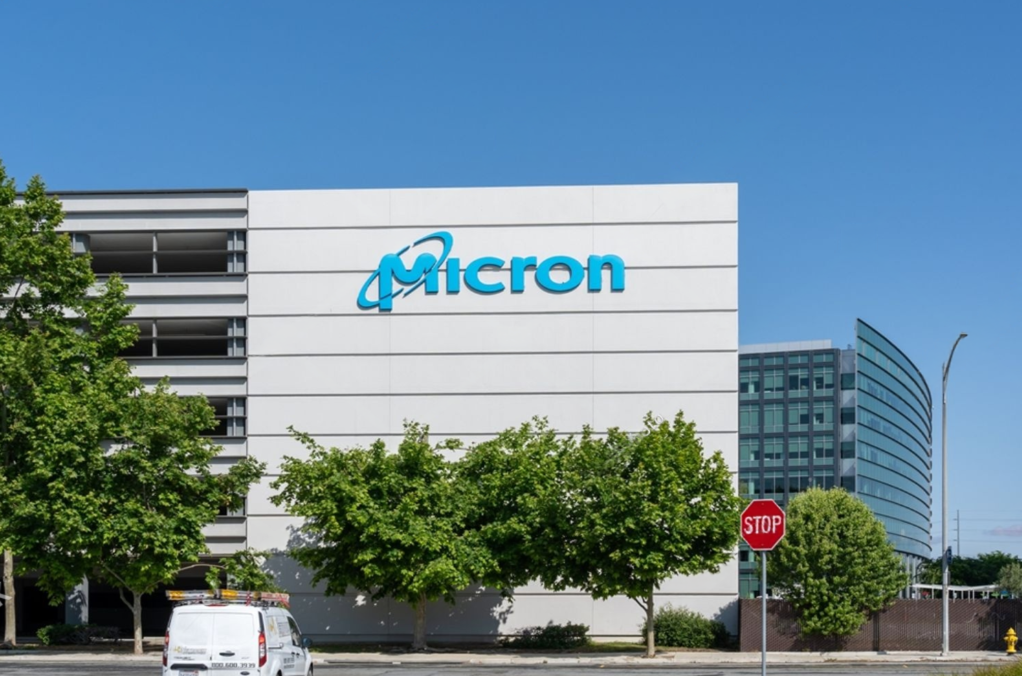
Micron Technology shares are under significant selling pressure as markets reassess the outlook for memory semiconductors amid weakening pricing dynamics and uneven global demand trends. The decline comes at a time when the broader semiconductor sector remains split between AI-driven strength in advanced compute chips and cyclical weakness in traditional memory markets. For investors in Israel and global markets, the move underscores how sharply divergent performance has become across different segments of the chip industry.
Memory Cycle Weakness Returns to the Forefront
The primary driver behind Micron’s sharp decline is renewed concern over the memory chip cycle, particularly in DRAM and NAND segments. After a brief period of stabilization, pricing momentum in memory markets has again shown signs of softening as supply conditions normalize and demand from key end markets remains uneven.
Memory semiconductors are highly cyclical, and Micron’s revenue profile is closely tied to fluctuations in pricing rather than just unit growth. As inventory levels rebuild across parts of the supply chain, investors are increasingly cautious about near-term revenue sustainability. This dynamic has historically led to sharp earnings volatility, particularly when demand recovery fails to match supply discipline.
Market participants are now reassessing whether recent stabilization in memory pricing was temporary or the beginning of a more sustained downturn in the cycle.
AI Strength Fails to Fully Offset Traditional Chip Weakness
While artificial intelligence continues to drive strong demand for high-bandwidth memory (HBM) used in advanced GPUs and data center infrastructure, this segment represents only a portion of Micron’s overall business. The broader DRAM and NAND markets remain far more exposed to consumer electronics, enterprise storage demand, and general-purpose computing cycles.
Although AI-related demand has provided a structural tailwind for advanced memory products, it has not been sufficient to offset broader pricing weakness across legacy memory categories. This divergence highlights a key theme in the semiconductor sector: AI-driven growth is highly concentrated, while traditional chip markets remain vulnerable to cyclical swings.
The result is an increasingly bifurcated industry, where certain product lines experience strong pricing power while others face persistent margin compression.
Valuation Compression and Semiconductor Cycle Sensitivity
Micron’s decline also reflects broader valuation compression across cyclical technology equities. As interest rates remain elevated relative to previous ultra-low environments, investors are placing greater emphasis on earnings stability and cash flow visibility.
Memory chipmakers are particularly sensitive to these macro conditions due to their historically volatile earnings profiles. Even modest revisions in pricing expectations can lead to outsized stock movements, as valuation models heavily depend on assumptions about future cycle recovery.
In addition, concerns around global economic momentum are adding pressure, particularly in consumer-driven electronics markets where demand recovery remains inconsistent across regions.
Outlook: Focus Shifts to Pricing Stabilization and AI Exposure
Looking ahead, Micron’s performance will largely depend on whether memory pricing stabilizes in upcoming quarters and whether demand from AI-related infrastructure can meaningfully offset weakness in traditional segments. Key indicators include DRAM pricing trends, NAND inventory levels, and capital expenditure plans from major cloud and semiconductor customers.
Risks remain centered on further pricing deterioration, weaker-than-expected global electronics demand, and prolonged inventory corrections across the supply chain. On the positive side, continued expansion of AI infrastructure and high-bandwidth memory adoption could provide a longer-term structural growth driver.
For investors in Israel and globally, Micron’s sharp decline reinforces a broader market reality: even within the semiconductor sector, exposure is highly segmented, and the memory cycle remains one of the most volatile and influential drivers of equity performance.
Comparison, examination, and analysis between investment houses
Leave your details, and an expert from our team will get back to you as soon as possible
* This article, in whole or in part, does not contain any promise of investment returns, nor does it constitute professional advice to make investments in any particular field.
To read more about the full disclaimer, click here
- orshu
- •
- 8 Min Read
- •
- ago 2 hours
SKN | Oil Retreats as Strait of Hormuz Traffic Stabilizes, Easing Supply Disruption Fears
Global oil markets moved lower as shipping activity through the Strait of Hormuz showed signs of normalization, easing concerns
- ago 2 hours
- •
- 8 Min Read

Global oil markets moved lower as shipping activity through the Strait of Hormuz showed signs of normalization, easing concerns

- Lior mor
- •
- 7 Min Read
- •
- ago 14 hours
SKN | Why Are Oil Prices Falling Despite Ongoing Risks in the Strait of Hormuz?
Oil prices continued their decline on Wednesday, with both Brent crude and West Texas Intermediate falling more than 1% as
- ago 14 hours
- •
- 7 Min Read

Oil prices continued their decline on Wednesday, with both Brent crude and West Texas Intermediate falling more than 1% as
- Lior mor
- •
- 7 Min Read
- •
- ago 1 day
SKN | Oil Prices Ease as Hormuz Shipping Improves — Are Markets Pricing in a Lasting Peace?
Oil prices edged lower on Tuesday as traders focused on signs that crude shipments through the Strait of Hormuz are
- ago 1 day
- •
- 7 Min Read

Oil prices edged lower on Tuesday as traders focused on signs that crude shipments through the Strait of Hormuz are

- omer bar
- •
- 7 Min Read
- •
- ago 1 day
SKN | Gold and Silver Slide as Rate-Hike Fears Return — Is the Precious Metals Rally Losing Momentum?
Gold and silver prices moved sharply lower on Tuesday as investors reassessed the outlook for U.S. monetary policy following the
- ago 1 day
- •
- 7 Min Read

Gold and silver prices moved sharply lower on Tuesday as investors reassessed the outlook for U.S. monetary policy following the


