


- orshu
- •
- 8 Min Read
- •
- 7 seconds ago
Key Points
- The CBOE Volatility Index (VIX) rose 4.29% on May 15, signaling increased investor caution across U.S. financial markets.
- The index traded within a daily range of 17.99 to 19.27 before stabilizing near the 18 level during afternoon trading.
- Rising volatility expectations reflect growing concerns surrounding equity valuations, interest rates, and broader macroeconomic uncertainty.
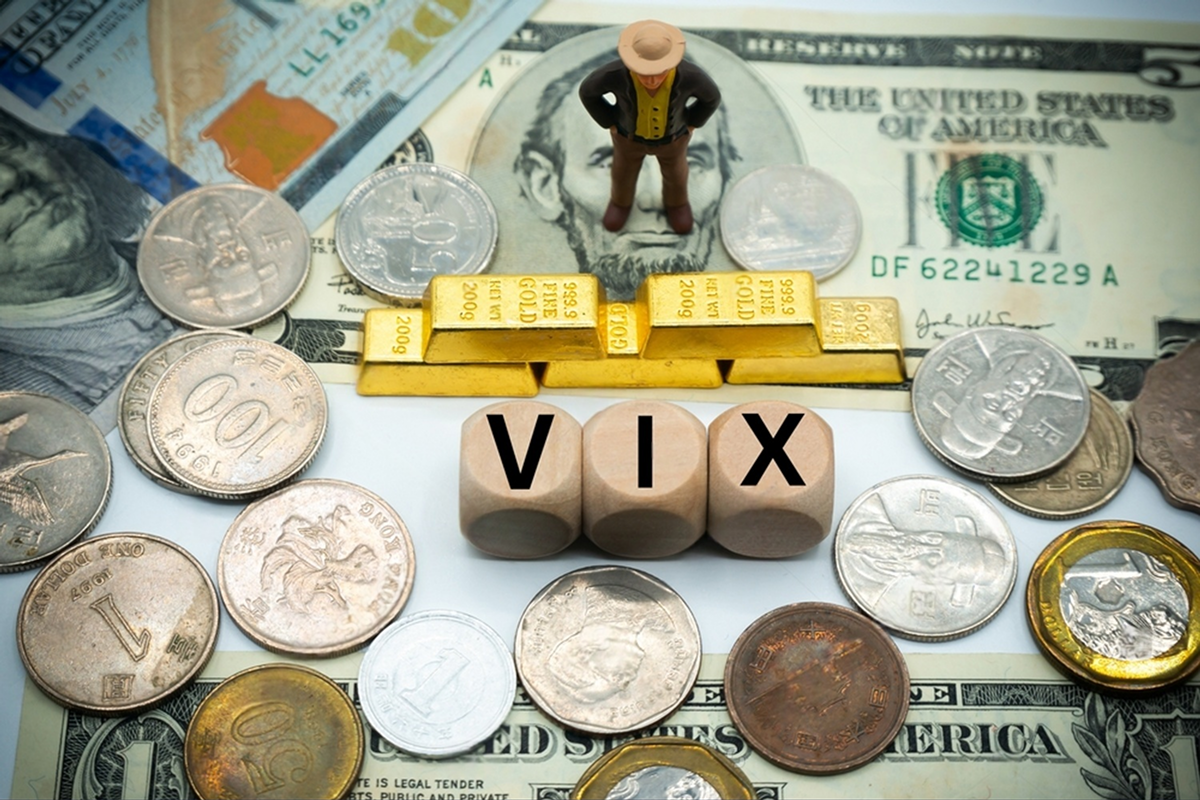
The CBOE Volatility Index (VIX), widely regarded as Wall Street’s primary “fear gauge,” moved higher during the May 15 trading session as investors adopted a more defensive stance amid increased market uncertainty. The index climbed 4.29% to 18.00, extending recent volatility activity as traders reassessed risk exposure across U.S. equities.
The move higher in the VIX comes during a period of elevated sensitivity in global markets, where investors continue monitoring inflation trends, central bank policy expectations, corporate earnings performance, and geopolitical developments. Although volatility levels remain below historical crisis thresholds, the latest increase reflects a noticeable shift in market sentiment.
VIX Performance Reflects Growing Defensive Positioning
During the trading session, the VIX opened at 18.07 and fluctuated within a range of 17.99 to 19.27 before settling near the 18 mark in afternoon trading. Compared with the previous close of 17.26, the gain indicates rising demand for options-based portfolio protection as institutional investors prepare for potentially larger market swings.
The VIX measures expected volatility in the S&P 500 over the next 30 days based on options pricing activity. When the index rises, it generally signals that investors anticipate increased turbulence in equity markets. Conversely, lower VIX levels typically reflect stronger confidence and reduced expectations for sudden price fluctuations.
While the current reading remains significantly below levels observed during major market crises, the move higher suggests that traders are becoming increasingly cautious following months of strong equity market performance. Technology stocks, artificial intelligence-related companies, and high-growth sectors have delivered substantial gains throughout 2026, leading some investors to question whether valuations have become stretched.
Market Volatility Remains Closely Linked to Federal Reserve Expectations
One of the primary drivers behind recent volatility movements continues to be uncertainty surrounding Federal Reserve policy. Investors remain focused on inflation data, labor-market conditions, and interest-rate expectations as markets attempt to determine the likely path of monetary policy in the coming quarters.
Higher interest rates tend to increase borrowing costs, reduce liquidity, and pressure equity valuations, particularly in growth-oriented sectors. Even modest changes in expectations surrounding future rate decisions can lead to increased volatility in both equity and bond markets.
The VIX has also become increasingly sensitive to economic data releases and central bank commentary. Traders closely monitor inflation reports, consumer spending trends, Treasury yields, and employment data for indications of whether economic conditions are stabilizing or beginning to weaken.
In addition, geopolitical developments and ongoing concerns surrounding global trade, energy markets, and supply chains continue contributing to broader uncertainty. These factors often encourage institutional investors to increase hedging activity, which can push the VIX higher even during relatively stable trading sessions.
Volatility Levels Could Shape Near-Term Equity Market Direction
Although a VIX reading near 18 does not typically indicate severe market stress, it does suggest that investors are becoming less complacent. Historically, periods of low volatility have often been followed by sharper market swings when unexpected economic or geopolitical developments emerge.
Market participants are now watching whether the VIX can maintain levels above its recent trading range or if volatility begins easing alongside improved investor confidence. A sustained rise toward the 20 level could indicate growing pressure on equity markets, while a retreat below 17 may signal renewed appetite for risk assets.
At the same time, moderate increases in volatility can create opportunities for active traders and institutional investors seeking to reposition portfolios or hedge against downside risks. Financial firms, options traders, and volatility-focused investment products often experience increased activity during periods of elevated market uncertainty.
Looking ahead, investors will continue monitoring inflation reports, Federal Reserve communication, Treasury market movements, and upcoming corporate earnings releases for additional direction. Any signs of slowing economic growth, persistent inflation pressures, or rising geopolitical tensions could push volatility higher in the near term. However, if economic data remains resilient and corporate earnings continue outperforming expectations, broader market sentiment may stabilize, potentially reducing demand for defensive hedging strategies and easing pressure on volatility indexes.
Comparison, examination, and analysis between investment houses
Leave your details, and an expert from our team will get back to you as soon as possible
* This article, in whole or in part, does not contain any promise of investment returns, nor does it constitute professional advice to make investments in any particular field.
To read more about the full disclaimer, click here
- orshu
- •
- 8 Min Read
- •
- ago 60 minutes
SKN | European Markets Close Lower as Investor Sentiment Weakens Across Major Indexes
European financial markets ended the May 15 trading session in negative territory as investors reduced exposure to equities amid
- ago 60 minutes
- •
- 8 Min Read

European financial markets ended the May 15 trading session in negative territory as investors reduced exposure to equities amid
- orshu
- •
- 9 Min Read
- •
- ago 1 hour
SKN | Wall Street Slides Sharply as Nasdaq and Small Caps Lead Global Risk-Off Selloff on May 15, 2026
US financial markets closed sharply lower on Friday, May 15, 2026, as investors aggressively reduced exposure to equities amid rising
- ago 1 hour
- •
- 9 Min Read

US financial markets closed sharply lower on Friday, May 15, 2026, as investors aggressively reduced exposure to equities amid rising
- orshu
- •
- 7 Min Read
- •
- ago 4 hours
SKN | U.S. Equity Markets Retreat as Volatility Rises and Investors Shift Toward Defensive Positioning
U.S. financial markets opened under pressure on May 15 as investors responded to a combination of elevated volatility, weaker
- ago 4 hours
- •
- 7 Min Read

U.S. financial markets opened under pressure on May 15 as investors responded to a combination of elevated volatility, weaker
- orshu
- •
- 5 Min Read
- •
- ago 7 hours
SKN | Asia Markets Slide on May 15, 2026 as Korea Sinks 6% and Regional Selloff Accelerates
South Korea’s KOSPI Composite Index plunged 6.12% to 7,493.18, making it by far the worst-performing major market in Asia during
- ago 7 hours
- •
- 5 Min Read

South Korea’s KOSPI Composite Index plunged 6.12% to 7,493.18, making it by far the worst-performing major market in Asia during

