


- Ronny Mor
- •
- 6 Min Read
- •
- 23 minutes ago
Key Points
- Emerging-market (EM) currencies are benefiting from carry trade inflows and strong commodity exports.
- Higher real yields in EM economies contrast with policy uncertainty across several G-7 currencies.
- Stability may persist, but external shocks and U.S. dollar strength remain key risks.
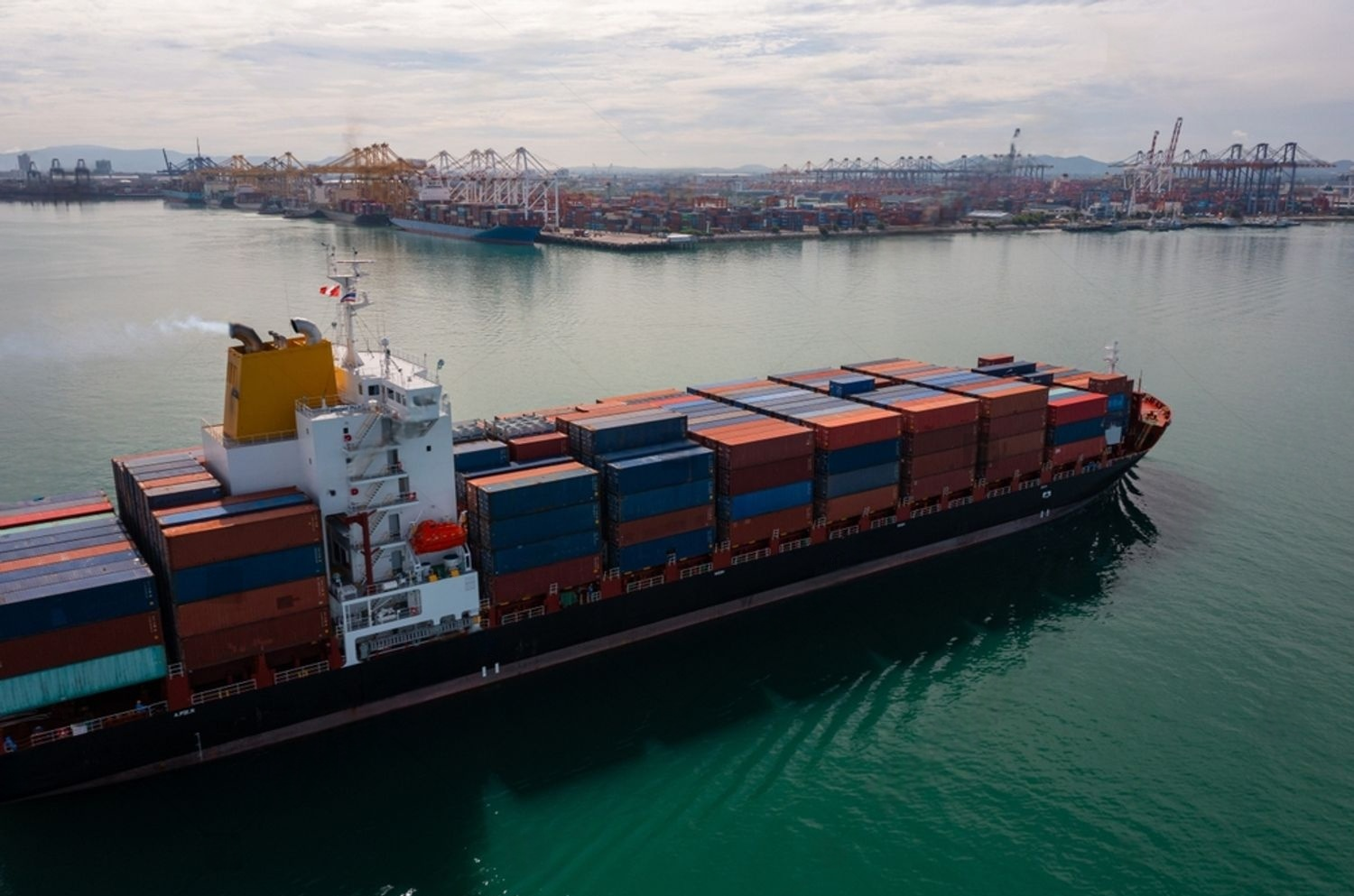
Emerging-market currencies are showing an unusual degree of resilience relative to their developed-market peers, challenging long-standing assumptions about foreign-exchange risk. Supported by robust carry trade dynamics and firm commodity prices, several EM currencies have exhibited lower volatility compared with major G-7 counterparts in recent months.
As global investors reassess interest rate trajectories and growth differentials, the traditional risk hierarchy between developed and emerging markets appears to be shifting—at least temporarily.
Carry Trade Revival Boosts Yield Appeal
The resurgence of the carry trade has been central to the renewed stability of EM currencies. With policy rates in countries such as Brazil and Mexico remaining elevated relative to the U.S., eurozone, and Japan, investors are increasingly allocating capital to higher-yielding markets.
This yield differential provides a cushion against moderate currency swings. Even if exchange rates fluctuate, positive carry income can offset short-term volatility, improving risk-adjusted returns. By contrast, several G-7 currencies face narrowing rate differentials and policy divergence uncertainty, which has introduced episodic volatility in pairs such as EUR/USD and GBP/USD.
For institutional investors in Israel managing global bond and FX exposure, this environment highlights the growing importance of real yield spreads as a driver of currency performance.
Commodity Backdrop Strengthens EM Fundamentals
Commodity-exporting emerging markets have also benefited from firm prices in energy, metals, and agricultural products. Elevated oil and industrial metal prices have supported trade balances and fiscal revenues in several Latin American and African economies.
Improved current account dynamics enhance foreign-exchange reserve buffers, reducing vulnerability to sudden capital outflows. In contrast, certain developed economies face structural trade deficits and slower export growth, limiting natural currency support mechanisms.
Additionally, some EM central banks tightened policy earlier and more aggressively than their G-7 counterparts, reinforcing credibility and anchoring inflation expectations. This policy discipline has improved investor confidence in macro stability.
Volatility Comparison and Structural Risks
Recent volatility metrics indicate that select EM currency indices have experienced narrower trading ranges compared with traditional reserve currencies during periods of policy uncertainty in advanced economies. This marks a reversal from historical patterns where EM FX typically displayed higher beta to global risk sentiment.
However, the structural risk profile remains asymmetric. EM currencies are still more sensitive to abrupt shifts in global liquidity conditions. A stronger U.S. dollar, driven by higher Treasury yields or geopolitical stress, could quickly reverse capital inflows.
Moreover, domestic political developments or fiscal slippage could erode investor confidence. Unlike reserve currencies backed by deep capital markets, EM currencies often depend heavily on sustained portfolio flows.
Looking ahead, investors will monitor U.S. Federal Reserve policy signals, global commodity price trends, EM inflation trajectories, and geopolitical developments. If real yield advantages persist and commodity demand remains firm, EM currencies could maintain relative stability against G-7 peers. Yet the durability of this shift hinges on global liquidity conditions and disciplined fiscal management. In a world of shifting monetary cycles, the perceived hierarchy of currency stability may continue to evolve.
Comparison, examination, and analysis between investment houses
Leave your details, and an expert from our team will get back to you as soon as possible
* This article, in whole or in part, does not contain any promise of investment returns, nor does it constitute professional advice to make investments in any particular field.
To read more about the full disclaimer, click here
- sagi habasov
- •
- 6 Min Read
- •
- ago 2 days
SKN | Potential Steel and Aluminum Tariff Rollback Signals Broader Shift Toward Affordability Agenda
Markets are assessing reports that former President Donald Trump may consider rolling back steel and aluminum tariffs if re-elected,
- ago 2 days
- •
- 6 Min Read
Markets are assessing reports that former President Donald Trump may consider rolling back steel and aluminum tariffs if re-elected,

- orshu
- •
- 6 Min Read
- •
- ago 2 days
SKN | Oil Edges Higher as U.S. Inflation Optimism Counters OPEC Supply Uncertainty
Oil prices settled slightly higher as markets balanced improving U.S. inflation data against persistent uncertainty over OPEC supply decisions.
- ago 2 days
- •
- 6 Min Read

Oil prices settled slightly higher as markets balanced improving U.S. inflation data against persistent uncertainty over OPEC supply decisions.

- Lior mor
- •
- 6 Min Read
- •
- ago 2 days
SKN | Governance Shock at Codelco: Executive Dismissals After El Teniente Audit Raise Copper Market Questions
Chile’s state-owned copper giant Codelco has removed several senior executives after an audit at its El Teniente division uncovered
- ago 2 days
- •
- 6 Min Read
Chile’s state-owned copper giant Codelco has removed several senior executives after an audit at its El Teniente division uncovered

- Ronny Mor
- •
- 7 Min Read
- •
- ago 2 days
SKN | Will Gold Hold Above $5,000 After Sliding Below Key Level as Stocks Tumble?
Gold futures opened Friday under the psychologically important $5,000 level, signaling a pause in one of the most powerful rallies
- ago 2 days
- •
- 7 Min Read

Gold futures opened Friday under the psychologically important $5,000 level, signaling a pause in one of the most powerful rallies

