





- Ramil
- •
- 7 Min Read
- •
- 3 minutes ago


Key Points
- Sterling has gained against several G10 currencies despite political and geopolitical shocks, supported by stronger-than-expected U.K. growth.
- The pound now faces pressure from a relatively dovish Bank of England as rate-hike expectations elsewhere increase.
- The October budget represents the next major risk event, particularly if higher taxes and borrowing undermine confidence in Britain's growth and fiscal outlook.
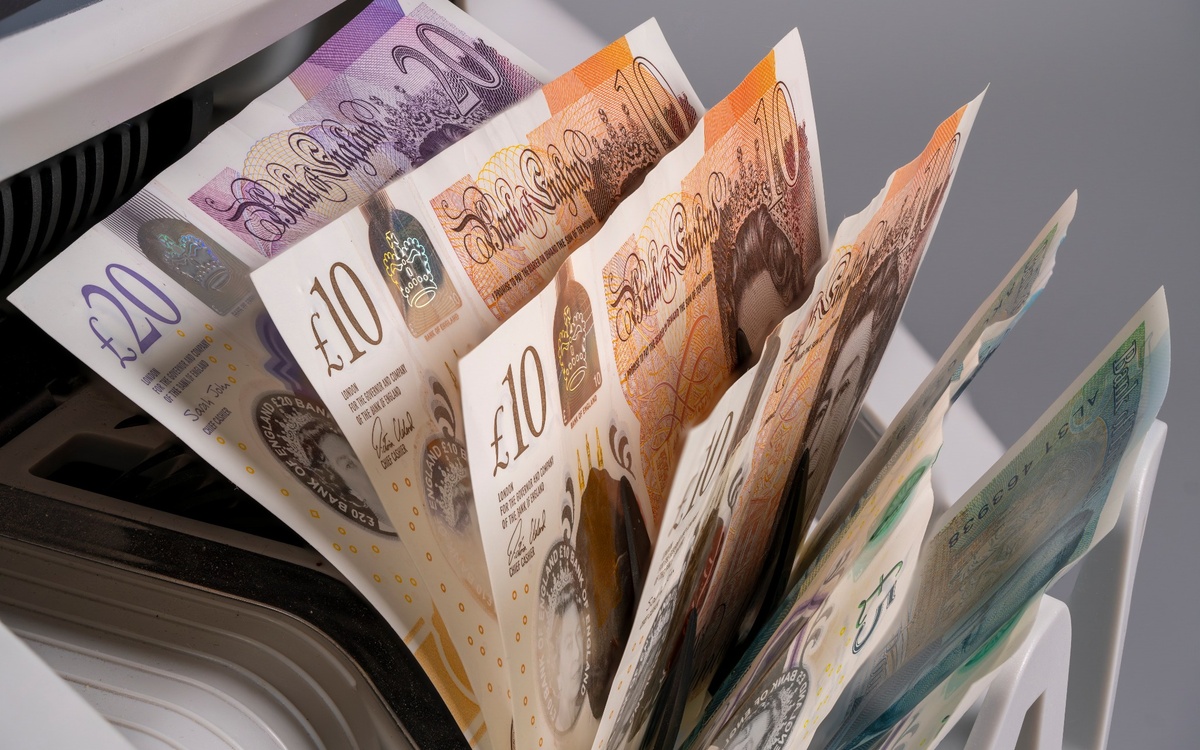
Sterling’s Unexpected Strength Is Beginning to Fade
The British pound has emerged as one of the stronger performers among G10 currencies this year, navigating political upheaval and geopolitical shocks better than many investors expected. Sterling has gained around 1.6% against the euro, 2.8% against the Swiss franc, 4.9% against the Swedish krona and 1% against the Canadian dollar. It is roughly flat against the U.S. dollar and has declined 1.3% against the Japanese yen.
The performance reflects an economy that has proven more resilient than anticipated. U.K. gross domestic product expanded 0.4% in the second quarter after growing 0.6% in the first, placing Britain among the stronger-performing advanced economies. Consumer spending benefited from favorable weather and enthusiasm surrounding the FIFA World Cup, while business activity remained relatively robust despite geopolitical uncertainty.
Rate Expectations Could Remove a Key Support
Monetary policy has been another important factor behind sterling’s earlier strength. When the Iran conflict intensified in April, markets anticipated that rising energy prices would force the Bank of England to respond more aggressively to inflation. Those expectations provided support for the pound even as oil and gas prices increased.
That dynamic has now changed. U.K. headline inflation has approached 3%, reflecting the country’s exposure to higher energy costs, but the Bank of England has kept its policy rate at 3.75% throughout the year. Markets currently see relatively limited prospects for a September rate increase, while expectations for hikes from the European Central Bank and Federal Reserve have strengthened.
This divergence matters for foreign exchange markets. If the BOE maintains a dovish tone while other major central banks tighten policy, the yield advantage that previously supported sterling could narrow. A more cautious message on September 17 could therefore leave the pound vulnerable to renewed selling pressure.
Political Stability Has Improved, but Fiscal Risk Remains
Political uncertainty has eased following the transition from former Prime Minister Keir Starmer to Andy Burnham. The orderly change in leadership has reduced some of the political risk premium previously attached to sterling, although Britain’s long-term borrowing costs remain elevated and have moved higher alongside a broader global government-bond sell-off.
The bigger test may arrive with the October 28 budget. Finance Minister John Healey has emphasized fiscal discipline while seeking a broader distribution of economic growth beyond London. However, investors remain concerned that new spending ambitions could require additional borrowing at a time when financing costs are already high.
Why the October Budget Could Define Sterling’s Next Move
Potential tax changes involving property purchases, local council duties, wealthier homeowners, pensions and investment accounts could influence both consumer confidence and private-sector activity. Markets are likely to react particularly strongly to any combination of higher taxes and increased debt issuance that appears likely to weaken growth while expanding borrowing requirements.
For investors in the U.S. and Israel, sterling’s outlook increasingly depends on the interaction between monetary-policy divergence and fiscal credibility. A resilient economy and disciplined budget could extend the pound’s relative strength, but a dovish BOE combined with expansive fiscal policy could reverse much of its recent advantage. The September policy meeting and October budget will therefore be crucial milestones for determining whether sterling remains the G10 surprise performer or begins to surrender its gains.
Comparison, examination, and analysis between investment houses
Leave your details, and an expert from our team will get back to you as soon as possible
* This article, in whole or in part, does not contain any promise of investment returns, nor does it constitute professional advice to make investments in any particular field.
To read more about the full disclaimer, click here
- omer bar
- •
- 6 Min Read
- •
- ago 21 hours
SKN | Treasury Yields Edge Higher as Strong Jobs Data and Rising Oil Prices Reshape Rate Expectations
U.S. Treasury yields moved modestly higher as financial markets reopened following the extended Labor Day holiday and investors turned
- ago 21 hours
- •
- 6 Min Read

U.S. Treasury yields moved modestly higher as financial markets reopened following the extended Labor Day holiday and investors turned

- Lior mor
- •
- 6 Min Read
- •
- ago 22 hours
SKN | Why Is the Yen Surging Toward 150 as Traders Bet on a Bank of Japan Rate Hike?
The Japanese yen extended its rally Tuesday, reaching 152.89 per dollar before giving back some gains to trade around 153.32.
- ago 22 hours
- •
- 6 Min Read

The Japanese yen extended its rally Tuesday, reaching 152.89 per dollar before giving back some gains to trade around 153.32.
- omer bar
- •
- 7 Min Read
- •
- ago 1 day
SKN | Yen Surges to Seven-Month High as Fed Hike Bets and U.S. Inflation Put Dollar Under Pressure
The Japanese yen surged to a seven-month high on September 7 as investors reassessed the outlook for Japanese monetary
- ago 1 day
- •
- 7 Min Read

The Japanese yen surged to a seven-month high on September 7 as investors reassessed the outlook for Japanese monetary
- Lior mor
- •
- 6 Min Read
- •
- ago 2 days
SKN | Japan’s Foreign Reserves Plunge by Record $79.6 Billion After Massive Yen Intervention
Japan’s foreign exchange reserves recorded their largest-ever monthly decline in August as authorities deployed unprecedented resources to support the yen.
- ago 2 days
- •
- 6 Min Read

Japan’s foreign exchange reserves recorded their largest-ever monthly decline in August as authorities deployed unprecedented resources to support the yen.

