


- sagi habasov
- •
- 7 Min Read
- •
- 18 seconds ago
Key Points
- The Roundhill Memory ETF (DRAM) targets exposure to companies linked to semiconductor memory production and demand cycles.
- Rising AI infrastructure investment and data center expansion are reshaping demand for DRAM and related memory technologies.
- The sector remains highly cyclical, with pricing power and inventory dynamics driving volatility in returns.

Global semiconductor markets are experiencing a renewed wave of investor attention driven by accelerating demand for memory chips used in artificial intelligence, cloud computing, and advanced data infrastructure. Within this context, thematic ETFs such as the Roundhill Memory ETF (DRAM) have emerged as targeted instruments for gaining exposure to companies operating across the DRAM and broader memory supply chain. The fund reflects a segment of the technology sector that is closely tied to both cyclical pricing patterns and long-term structural growth trends in digital infrastructure.
Memory Semiconductors and Structural Demand Shifts
The global demand landscape for memory semiconductors is being reshaped by the rapid expansion of AI workloads and high-performance computing. DRAM and NAND flash memory are essential components in servers, GPUs, and data-intensive applications, making them directly sensitive to investment cycles in cloud infrastructure and enterprise computing.
The increasing adoption of generative AI models has significantly raised memory density requirements per server, creating upward pressure on demand even during periods of broader semiconductor volatility. At the same time, supply-side discipline among major manufacturers has contributed to a more balanced pricing environment compared to previous cycles, where oversupply often led to sharp corrections.
This structural shift is central to the investment thesis behind memory-focused exposure, as long-term demand drivers are increasingly decoupled from traditional consumer electronics cycles and more closely linked to enterprise and AI-driven infrastructure expansion.
Thematic ETF Exposure and Market Positioning
The Roundhill Memory ETF (DRAM) offers investors concentrated exposure to companies involved in the design, production, and supply of memory semiconductors. This includes firms across the DRAM value chain, where revenues are heavily influenced by global pricing trends, capacity utilization, and inventory adjustments.
Thematic ETFs in the semiconductor space have gained traction as investors seek more targeted ways to express views on specific segments of the technology stack rather than broader index exposure. However, the concentrated nature of these strategies also increases sensitivity to sector-specific downturns, particularly during periods of inventory correction or weakening end-market demand.
Market participants often use such instruments to capture short- to medium-term momentum in semiconductor cycles, while also maintaining awareness of the sector’s historically high volatility profile.
Cyclical Risks and Pricing Volatility
Despite strong structural demand drivers, the memory semiconductor industry remains highly cyclical. Pricing dynamics are influenced by rapid shifts in supply-demand balance, with manufacturers frequently adjusting output in response to inventory levels and capital expenditure trends.
Historically, DRAM pricing cycles have been characterized by sharp upswings followed by periods of normalization or decline. These cycles can significantly impact earnings visibility for underlying companies and, by extension, ETF performance. In addition, global macroeconomic conditions, including interest rate policy and industrial demand trends, continue to play a key role in shaping semiconductor investment sentiment.
For investors in Israel and globally, exposure to memory-focused ETFs also introduces indirect sensitivity to broader technology sector sentiment, particularly in relation to AI infrastructure spending and global data center expansion plans.
Outlook: What Will Drive the Next Phase of Growth
Looking ahead, the performance trajectory of memory-focused ETFs such as DRAM will depend on the sustainability of AI-driven demand growth, supply discipline among major producers, and the evolution of global semiconductor investment cycles. Any acceleration in data center expansion could support pricing strength, while renewed capacity expansion could reintroduce volatility.
Key indicators to monitor include DRAM contract pricing trends, inventory levels across major manufacturers, and capital expenditure guidance from leading semiconductor firms. While structural demand remains supportive, cyclical fluctuations are expected to continue shaping short-term performance, reinforcing the importance of timing and risk awareness in the sector.
Comparison, examination, and analysis between investment houses
Leave your details, and an expert from our team will get back to you as soon as possible
* This article, in whole or in part, does not contain any promise of investment returns, nor does it constitute professional advice to make investments in any particular field.
To read more about the full disclaimer, click here
- sagi habasov
- •
- 5 Min Read
- •
- ago 8 hours
SKN | SBIO Edges Higher: Quiet Biotech ETF or Undervalued Opportunity?
Biotech ETF Shows Steady Climb ALPS Medical Breakthroughs ETF (SBIO) closed at $55.08, up +2.04%, with modest follow-through in after-hours
- ago 8 hours
- •
- 5 Min Read

Biotech ETF Shows Steady Climb ALPS Medical Breakthroughs ETF (SBIO) closed at $55.08, up +2.04%, with modest follow-through in after-hours

- orshu
- •
- 5 Min Read
- •
- ago 11 hours
SKN | SPY Climbs Toward Key Resistance—Is the S&P 500 ETF Signaling Continued Market Strength?
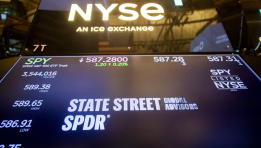
The SPDR S&P 500 ETF Trust (SPY) closed higher on April 13, gaining 0.98% to finish at 686.10, as
- ago 11 hours
- •
- 5 Min Read
The SPDR S&P 500 ETF Trust (SPY) closed higher on April 13, gaining 0.98% to finish at 686.10, as

- omer bar
- •
- 7 Min Read
- •
- ago 23 hours
SKN | Is Oil Market Volatility Reigniting Interest in Crude Exposure Through Energy ETFs?
Global oil markets continue to experience elevated volatility as traders balance geopolitical risk, production discipline from major exporters, and uneven
- ago 23 hours
- •
- 7 Min Read

Global oil markets continue to experience elevated volatility as traders balance geopolitical risk, production discipline from major exporters, and uneven
- sagi habasov
- •
- 6 Min Read
- •
- ago 3 days
SKN | SOXL Surges Again: Leveraged Semiconductor Play or High-Risk Trap?
Explosive Momentum Returns to Semiconductors Direxion Daily Semiconductor Bull 3X Shares (SOXL) jumped to $76.34, up +6.06%, continuing a powerful
- ago 3 days
- •
- 6 Min Read

Explosive Momentum Returns to Semiconductors Direxion Daily Semiconductor Bull 3X Shares (SOXL) jumped to $76.34, up +6.06%, continuing a powerful


