


- Lior mor
- •
- 7 Min Read
- •
- 37 minutes ago
Key Points
- Samsung Electronics and its labor union have entered last-minute negotiations aimed at preventing a strike
- Talks remain stalled over key compensation and working condition issues, increasing operational uncertainty
- The situation highlights broader labor tensions in South Korea’s semiconductor and tech manufacturing sector
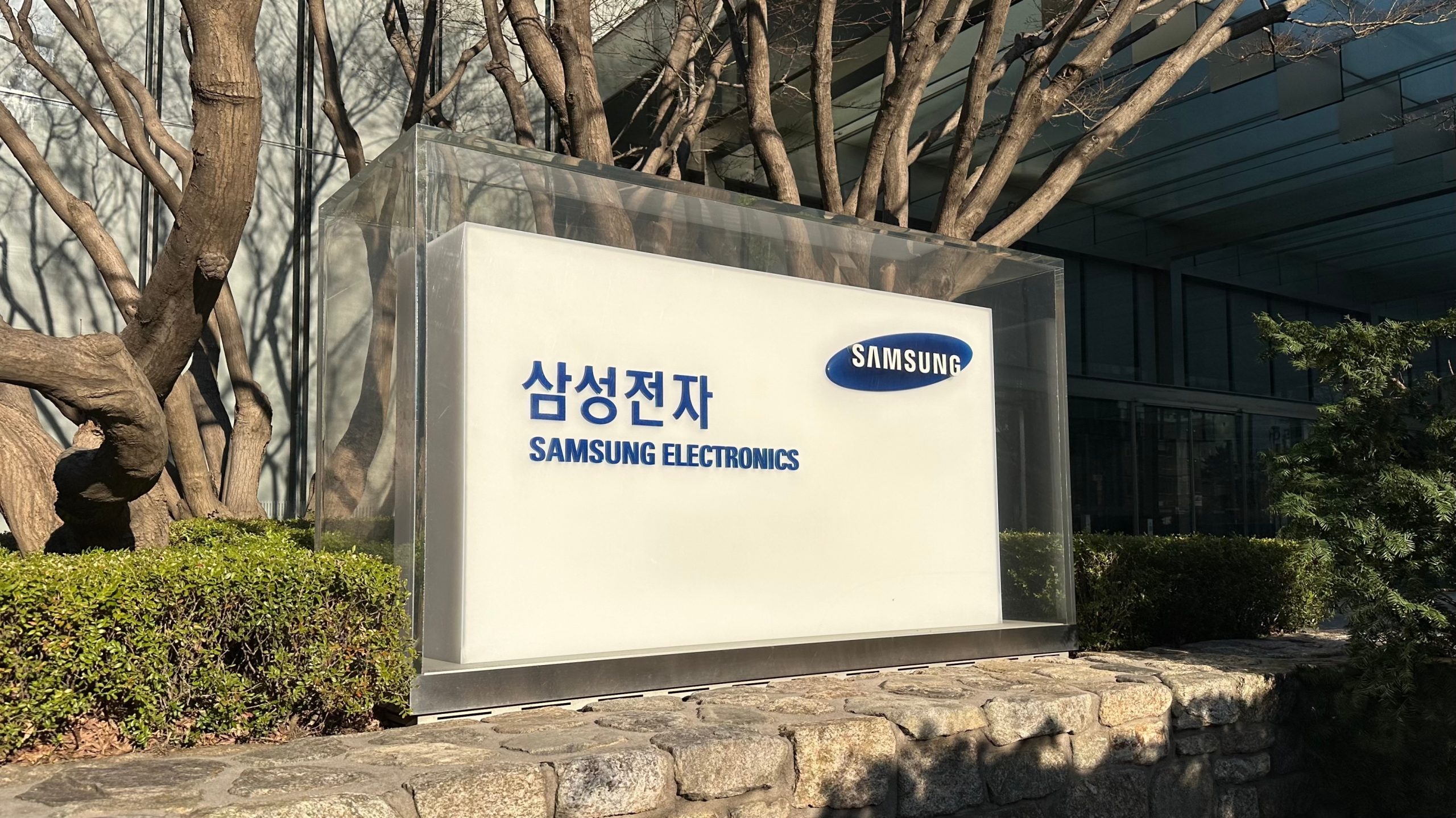
Samsung Electronics is engaged in eleventh-hour negotiations with its labor union in an effort to avert a potential strike, according to industry reports. The discussions come at a sensitive time for the global semiconductor supply chain, where any disruption at a major producer can quickly ripple through technology, automotive, and consumer electronics markets. The dispute centers on unresolved issues that have continued to fuel labor tensions within one of South Korea’s most strategically important industries.
Stalled Negotiations Over Key Employment Terms
Talks between Samsung Electronics and the union remain unresolved, with both sides reportedly stuck on core issues related to compensation structures and working conditions. While specific proposals have not been fully disclosed, labor representatives have pushed for improved wage terms and benefits adjustments, reflecting broader cost-of-living pressures in South Korea.
Samsung, one of the world’s largest semiconductor manufacturers, faces the challenge of balancing cost discipline with workforce stability at a time when global chip demand is recovering unevenly across end markets. The outcome of these negotiations is closely watched not only within South Korea but also across global technology supply chains, where Samsung plays a central role in memory chip production and advanced semiconductor manufacturing.
Strategic Importance for the Semiconductor Supply Chain
The timing of the dispute adds additional sensitivity given the semiconductor industry’s critical role in powering artificial intelligence infrastructure, consumer electronics, and industrial systems. Any labor disruption at Samsung could affect production schedules for memory chips and other components that feed into global supply chains.
South Korea remains a key hub in global semiconductor output alongside Taiwan and the United States. As a result, labor stability at major firms like Samsung has become increasingly relevant for global investors assessing supply chain risk, particularly in sectors tied to high-performance computing and data infrastructure expansion.
For global markets, including Israeli institutional exposure to technology equities, the situation underscores how operational risks in core manufacturing hubs can influence broader sentiment across the tech sector, especially during periods of elevated demand for advanced chips.
Labor Tensions Reflect Broader Industry Pressure
The dispute at Samsung reflects a wider trend of rising labor tensions across high-technology manufacturing sectors, where companies are managing simultaneous pressures from slowing consumer demand cycles and increasing investment requirements in next-generation semiconductor technologies.
Firms across the industry are investing heavily in advanced fabrication facilities, research and development, and AI-related chip architectures, all of which require long-term capital commitments. At the same time, employees are seeking to secure improved compensation and job stability in a rapidly evolving industrial environment.
The outcome of Samsung’s negotiations could therefore set an important precedent for labor relations in South Korea’s technology sector, particularly as competition for skilled semiconductor engineers intensifies globally.
Outlook: Market Focus on Resolution and Supply Chain Stability
Looking ahead, investors will closely monitor whether Samsung and the union can reach an agreement that prevents a strike and maintains production continuity. A failure to resolve the dispute could introduce short-term volatility in semiconductor supply expectations, particularly for memory chips.
Key risks include potential production disruptions, reputational pressure, and increased labor costs if concessions are made under time constraints. On the positive side, a successful agreement would reinforce supply chain stability at a critical juncture for global semiconductor demand recovery.
Overall, the negotiations highlight the growing intersection between labor dynamics and global technology market stability, with Samsung’s outcome likely to serve as a key reference point for the broader industry.
Comparison, examination, and analysis between investment houses
Leave your details, and an expert from our team will get back to you as soon as possible
* This article, in whole or in part, does not contain any promise of investment returns, nor does it constitute professional advice to make investments in any particular field.
To read more about the full disclaimer, click here
- omer bar
- •
- 7 Min Read
- •
- ago 22 minutes
SKN | OpenAI Expands Global Footprint with First Applied AI Lab in Singapore—What It Means for the AI Race
OpenAI’s decision to establish its first applied artificial intelligence laboratory outside the United States in Singapore marks a significant step
- ago 22 minutes
- •
- 7 Min Read

OpenAI’s decision to establish its first applied artificial intelligence laboratory outside the United States in Singapore marks a significant step

- sagi habasov
- •
- 7 Min Read
- •
- ago 2 hours
SKN | Is Meta Reshaping Its Global Workforce as 8,000 Job Cuts Begin Across Asian Operations?
Meta Platforms has reportedly started executing around 8,000 job cuts globally, with its Asian operations hub in Singapore among the
- ago 2 hours
- •
- 7 Min Read
Meta Platforms has reportedly started executing around 8,000 job cuts globally, with its Asian operations hub in Singapore among the

- orshu
- •
- 8 Min Read
- •
- ago 7 hours
SKN | Micron Surges on Explosive AI Demand as Earnings Forecasts Signal Historic Growth
Micron Technology (NASDAQ: MU) advanced sharply during Monday’s trading session as investors continued rotating into semiconductor and artificial intelligence
- ago 7 hours
- •
- 8 Min Read
Micron Technology (NASDAQ: MU) advanced sharply during Monday’s trading session as investors continued rotating into semiconductor and artificial intelligence
- sagi habasov
- •
- 9 Min Read
- •
- ago 11 hours
SKN | Google Unveils Biggest Search Overhaul in 25 Years as AI Agents Reshape the Internet Economy
Google announced what it described as the most significant update to its Search platform in 25 years, introducing advanced
- ago 11 hours
- •
- 9 Min Read

Google announced what it described as the most significant update to its Search platform in 25 years, introducing advanced


