


- omer bar
- •
- 7 Min Read
- •
- 39 seconds ago
Key Points
- Oil prices hold weekly gains as geopolitical risk premiums remain elevated
- Comments from US President Donald Trump regarding Iran add to supply-side uncertainty
- Markets are balancing demand concerns with potential disruptions to Middle East flows
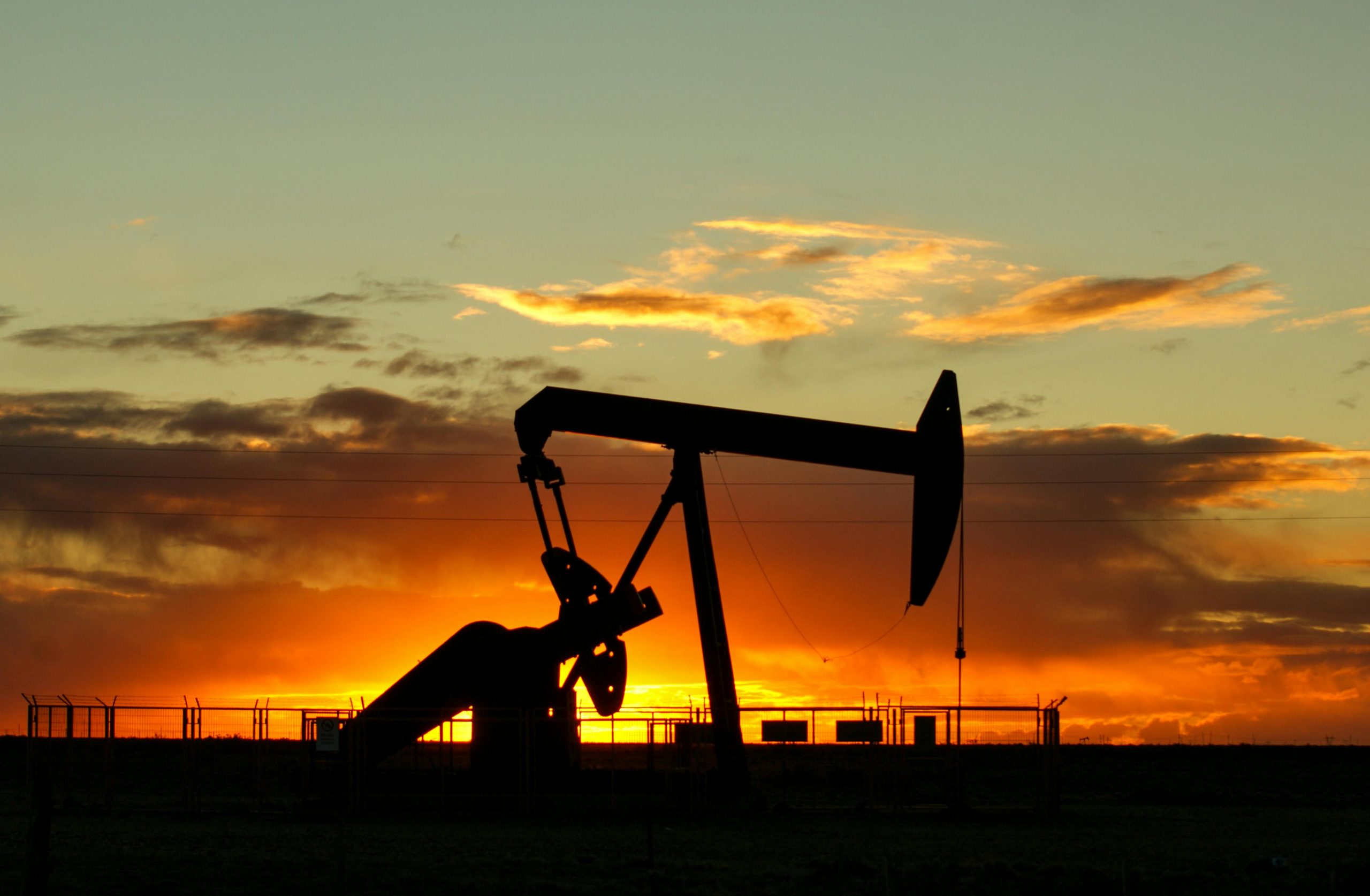
Global oil markets are ending the week on a firmer footing, supported by sustained geopolitical risk premiums following comments from US President Donald Trump that restrictions on Iran are proving effective. The energy market response reflects renewed sensitivity to supply risks in a region that remains central to global crude flows. For investors in Israel and globally, the developments highlight how geopolitical signals continue to play a key role in short-term oil price direction alongside demand fundamentals.
Geopolitical Risk Supports Crude Oil Prices
Oil prices have maintained weekly gains as traders reassess the potential impact of tighter constraints on Iranian crude exports. Statements suggesting that a blockade or enforcement mechanism is “working” have reinforced expectations that global supply could remain constrained, particularly from key Middle Eastern producers.
Geopolitical risk premiums tend to be rapidly priced into crude benchmarks such as Brent and WTI when supply routes are perceived as vulnerable. Even without immediate physical disruptions, market participants often adjust positions based on the probability of future tightening conditions. This dynamic has supported price stability despite broader macroeconomic uncertainty.
The Middle East remains a critical hub for global energy flows, and any perceived escalation in restrictions or enforcement measures can have an outsized impact on sentiment, even when actual production levels remain unchanged in the short term.
Supply Expectations Versus Demand Uncertainty
While geopolitical developments are supporting prices, the broader oil market continues to navigate a complex demand environment. Global economic growth signals remain mixed, with some regions showing resilience while others face slower industrial activity and subdued consumption trends.
At the same time, supply-side narratives are increasingly influenced by both OPEC+ policy decisions and sanctions-related constraints. The interplay between voluntary production management and geopolitical disruptions has created a more volatile pricing environment, where short-term headlines can significantly shift market expectations.
For energy-importing economies, including Israel, oil price fluctuations remain an important input into inflation dynamics and transportation costs. As a result, geopolitical developments in major producing regions are closely monitored by both policymakers and market participants.
Market Positioning Reflects Elevated Uncertainty
Financial markets have responded with cautious positioning in crude oil futures, reflecting uncertainty over the sustainability of current price levels. Trading activity suggests that investors are balancing the risk of further supply tightening against potential demand softness if global growth slows.
Speculative positioning in energy markets often amplifies short-term price moves, particularly when geopolitical signals dominate fundamental data. As a result, even incremental policy statements or diplomatic developments can trigger notable adjustments in pricing curves and volatility levels.
In addition, energy markets remain closely linked to broader asset classes, including currencies and equities, with oil price movements influencing inflation expectations and central bank policy outlooks globally.
Outlook: Geopolitics Remains Central to Oil Price Direction
Looking ahead, the trajectory of oil prices will likely continue to be shaped by developments in geopolitical risk, particularly relating to Iran and broader Middle East stability. Market participants will also monitor OPEC+ production policy, global inventory levels, and demand signals from major consuming economies.
Key risks include potential escalation in geopolitical tensions, unexpected supply disruptions, or sharper-than-anticipated changes in global demand. On the downside, weaker economic activity or increased production from alternative sources could limit upside momentum.
For global investors, including those in Israel, oil markets remain a key barometer of geopolitical risk and macroeconomic stability. The balance between supply security and demand uncertainty is expected to remain a defining feature of energy markets in the near term.
Comparison, examination, and analysis between investment houses
Leave your details, and an expert from our team will get back to you as soon as possible
* This article, in whole or in part, does not contain any promise of investment returns, nor does it constitute professional advice to make investments in any particular field.
To read more about the full disclaimer, click here
- omer bar
- •
- 6 Min Read
- •
- ago 4 hours
SKN | Why Is Gold Rebounding as a Weaker Dollar Offsets Geopolitical Pressure?
Gold prices recovered after a multi-day decline, supported by a weaker U.S. dollar and renewed geopolitical uncertainty. The rebound highlights
- ago 4 hours
- •
- 6 Min Read

Gold prices recovered after a multi-day decline, supported by a weaker U.S. dollar and renewed geopolitical uncertainty. The rebound highlights

- Arik Arkadi Sluzki
- •
- 7 Min Read
- •
- ago 7 hours
SKN | Oil Prices Surge as U.S.–Iran Standoff Deepens: Markets Confront Geopolitical Risk Premium
Global energy markets are experiencing a sharp repricing as tensions between the United States and Iran remain at a
- ago 7 hours
- •
- 7 Min Read

Global energy markets are experiencing a sharp repricing as tensions between the United States and Iran remain at a

- Ronny Mor
- •
- 9 Min Read
- •
- ago 16 hours
SKN | Is Gold’s Rebound a Buying Opportunity or a Warning Sign in a Higher-Rate World?
Gold prices are attempting to stabilize after a sharp three-day decline, as dip buyers step back into the market despite
- ago 16 hours
- •
- 9 Min Read

Gold prices are attempting to stabilize after a sharp three-day decline, as dip buyers step back into the market despite
- Arik Arkadi Sluzki
- •
- 6 Min Read
- •
- ago 1 day
SKN | UAE’s Potential OPEC Exit: What It Could Mean for Trade Ties with Saudi Arabia and Regional Markets
Speculation surrounding a potential UAE exit from OPEC is drawing increased attention from global investors, as it could signal
- ago 1 day
- •
- 6 Min Read

Speculation surrounding a potential UAE exit from OPEC is drawing increased attention from global investors, as it could signal


