


- omer bar
- •
- 7 Min Read
- •
- 19 seconds ago
Key Points
- Oil and natural gas prices surged as escalating tensions around the Strait of Hormuz intensified concerns over global supply disruptions.
- The geopolitical shock has reinforced volatility across energy markets, with traders reassessing risk premiums in crude and LNG contracts.
- Investors are closely monitoring whether the disruption could trigger broader inflationary pressures and policy responses from central banks.
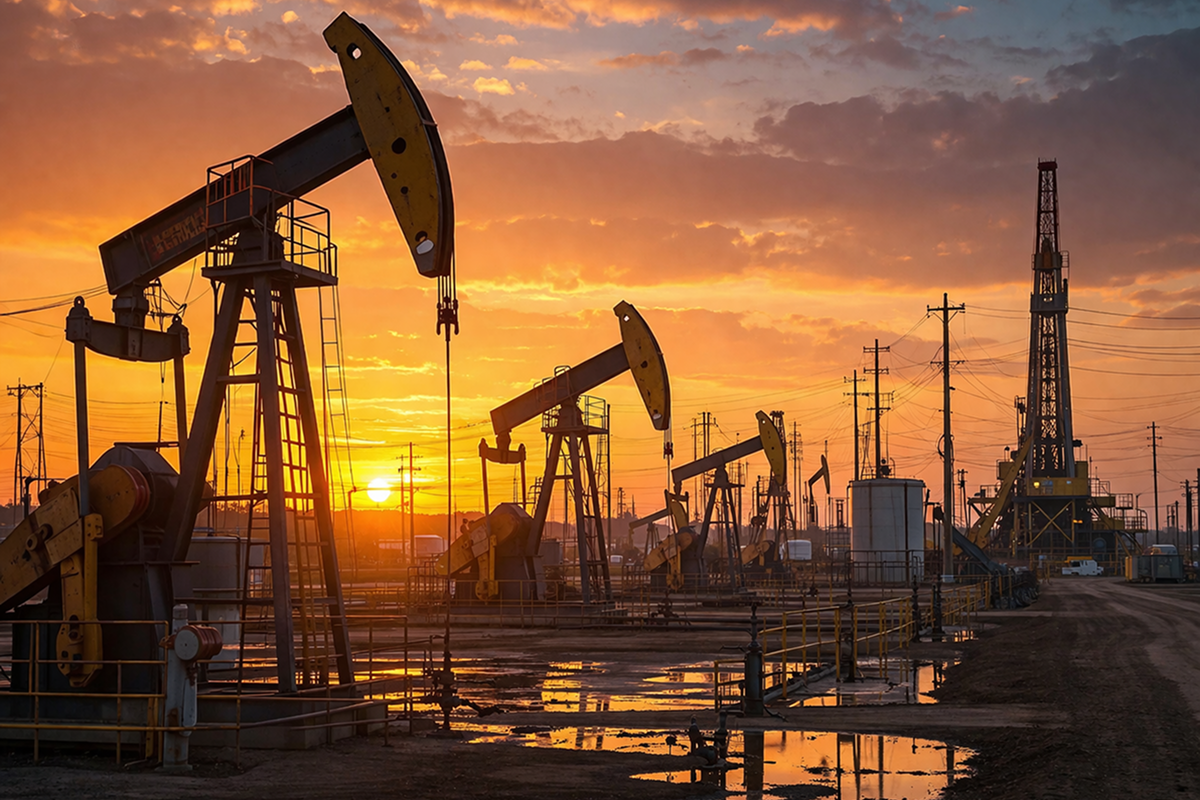
Oil and natural gas prices climbed sharply as geopolitical tensions surrounding the Strait of Hormuz intensified, raising fears of potential disruptions to one of the world’s most critical energy corridors. The market reaction reflects heightened sensitivity to supply risks, with traders rapidly repricing crude benchmarks and liquefied natural gas contracts. The developments come at a time when global energy markets remain finely balanced, leaving them vulnerable to sudden shocks.
Geopolitical Shock Drives Energy Risk Premium Higher
The escalation of tensions involving the Strait of Hormuz has triggered a significant repricing of geopolitical risk across energy markets. The waterway is a strategic chokepoint through which a substantial portion of global oil and LNG shipments pass, making it a critical artery for international energy flows. Even the perception of disruption has historically been enough to drive volatility, and current conditions are no exception.
Oil prices reacted with a strong upward move as traders incorporated a higher risk premium into near-term pricing structures. Natural gas markets followed a similar trajectory, reflecting concerns that any logistical disruption could tighten global LNG supply. While physical flows have not been fully interrupted, uncertainty alone has been sufficient to shift market sentiment decisively toward the bullish side.
Supply Chain Vulnerability and Global Macro Impact
The energy market response underscores broader vulnerabilities in global supply chains, particularly those linked to concentrated shipping routes. The Strait of Hormuz remains one of the most strategically sensitive chokepoints in global trade, and any escalation in military or political tensions in the region has immediate implications for pricing stability.
Higher energy prices also carry significant macroeconomic consequences. For major economies such as the United States and those in Europe, rising oil and gas costs could complicate inflation trajectories at a time when central banks are attempting to balance price stability with growth support. In Israel and across the broader Middle East, energy-linked sectors and shipping-related equities are also highly sensitive to regional developments, reinforcing the cross-market transmission of geopolitical risk.
Investor Positioning and Market Volatility Dynamics
Institutional investors have responded to the energy shock by increasing hedging activity and adjusting exposure to commodities-linked assets. The rapid shift in sentiment highlights how quickly geopolitical developments can influence positioning across futures markets, particularly in energy derivatives where liquidity remains deep but highly reactive to news flow.
At the same time, the surge in oil and gas prices has reinforced the role of energy commodities as both inflation drivers and portfolio hedges. While some market participants view the rally as a short-term risk premium adjustment, others caution that prolonged tensions could embed higher baseline pricing expectations across global energy markets.
Forward Outlook: What Markets Will Watch Next
Looking ahead, investors will focus closely on diplomatic developments surrounding the Strait of Hormuz, particularly whether negotiations can reduce the risk of sustained disruption. Any signs of de-escalation could lead to a rapid unwinding of part of the risk premium currently embedded in oil and gas prices.
Conversely, further escalation would likely intensify volatility across commodities, equities, and currency markets, with potential spillover effects into global inflation expectations. Energy supply stability, shipping route security, and central bank responses to rising input costs will remain key variables shaping market direction in the coming period.
Comparison, examination, and analysis between investment houses
Leave your details, and an expert from our team will get back to you as soon as possible
* This article, in whole or in part, does not contain any promise of investment returns, nor does it constitute professional advice to make investments in any particular field.
To read more about the full disclaimer, click here
- omer bar
- •
- 6 Min Read
- •
- ago 2 days
SKN | Is Gold’s Volatility Signaling Uncertainty Ahead of U.S.–Iran Talks?
Gold prices are trading in a narrow but volatile range as investors closely monitor upcoming diplomatic talks between the U.S.
- ago 2 days
- •
- 6 Min Read

Gold prices are trading in a narrow but volatile range as investors closely monitor upcoming diplomatic talks between the U.S.
- omer bar
- •
- 7 Min Read
- •
- ago 2 days
SKN | Is Gold’s Weekly Gain Signaling Renewed Strength or Ongoing Market Uncertainty?
Gold prices are edging higher once again, with bullion on track for a third consecutive weekly gain as investors weigh
- ago 2 days
- •
- 7 Min Read

Gold prices are edging higher once again, with bullion on track for a third consecutive weekly gain as investors weigh

- Ronny Mor
- •
- 6 Min Read
- •
- ago 3 days
SKN | Gold Extends Weekly Gains as Investors Balance Safe-Haven Demand Against Iran Truce Expectations
Gold prices advanced toward a weekly gain as investors assessed shifting geopolitical signals tied to Iran truce prospects, while broader
- ago 3 days
- •
- 6 Min Read

Gold prices advanced toward a weekly gain as investors assessed shifting geopolitical signals tied to Iran truce prospects, while broader

- Lior mor
- •
- 7 Min Read
- •
- ago 3 days
SKN | Is Gold’s Rally Sustainable as Ceasefire Hopes Clash with Ongoing Geopolitical Risks?
Gold extended its rally for a third consecutive session, reflecting a market caught between cautious optimism and persistent geopolitical uncertainty.
- ago 3 days
- •
- 7 Min Read

Gold extended its rally for a third consecutive session, reflecting a market caught between cautious optimism and persistent geopolitical uncertainty.

