


- Ronny Mor
- •
- 7 Min Read
- •
- 2 months ago
Key Points
- Goldman Sachs estimates Trump’s proposed tariffs would have a limited direct impact on euro-area growth.
- Germany is the most exposed economy, but inflation effects are expected to be minimal.
- Investor confidence and market reactions will be critical in determining the true economic cost.
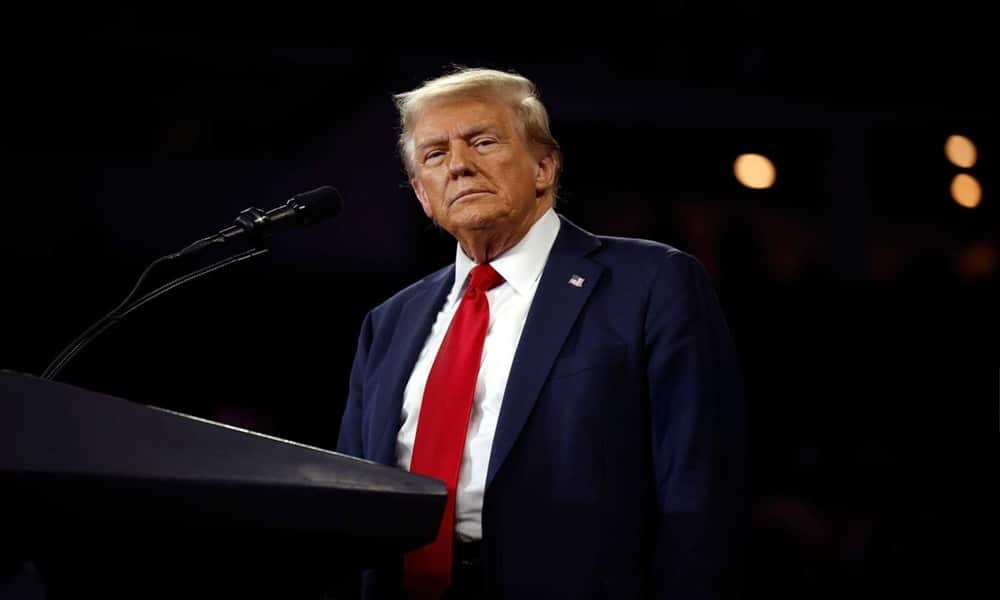
European growth is likely to take only a modest hit from President Donald Trump’s latest tariff threat, according to economists at Goldman Sachs, even as global markets react nervously to renewed trade tensions linked to Greenland. While the political symbolism of the move is significant, the economic consequences for the euro area appear, for now, relatively contained.
Goldman Sachs economists estimate that a 10% tariff on selected European countries would reduce euro-area gross domestic product by roughly 0.1%, mainly through weaker trade flows. The impact could reach as much as 0.2% across the most exposed economies, with Germany expected to bear the heaviest burden due to its export-oriented industrial base.
Tariffs as Political Leverage, Not an Economic Shock
Trump said over the weekend that the levies would target European nations that publicly supported Greenland against U.S. pressure to assert control over the semi-autonomous Danish territory. The countries potentially affected include Denmark, Norway, Sweden, France, Germany, Finland, the UK, and the Netherlands.
Goldman’s team, led by Sven Jari Stehn, stressed that the projected GDP impact assumes the tariffs are implemented in isolation. Germany’s economy could see output trimmed by about 0.2% if the measures are introduced as incremental reciprocal duties, and up to 0.3% if applied as a broader blanket levy. Even in that scenario, the economists characterized the damage as manageable rather than systemic.
They cautioned, however, that the effects could be amplified if the tariffs trigger a sharper deterioration in business confidence or spark instability in financial markets. In recent years, such second-round effects have often mattered more than the direct trade impact.
Markets React, But Fundamentals Hold
Financial markets wasted little time responding to the escalation. European equities slid and U.S. index futures weakened, while safe-haven assets such as gold rallied as investors sought protection against geopolitical risk. Despite the initial selloff, several strategists argue the reaction may prove short-lived.
Europe’s economic outlook remains supported by easing inflation, resilient labor markets, and the prospect of further monetary policy support. Goldman economists see the inflationary impact of the proposed tariffs as “very small,” reinforcing expectations that central banks would prioritize growth if trade frictions intensify.
In that context, tariffs may function more as a negotiating tool than a genuine attempt to reset transatlantic trade relations.
Europe’s Strategic Options
The policy response from Europe remains fluid. According to people familiar with the discussions, the European Union is considering retaliatory tariffs on up to €93 billion ($108 billion) of U.S. goods, alongside other countermeasures under its anti-coercion framework. At the same time, officials are keen to avoid an outright trade war and are exploring diplomatic channels before acting.
Goldman expects the UK to pursue engagement rather than escalation, mirroring its approach during previous trade negotiations with Washington. For the EU, the choice will be between signaling resolve and preserving economic stability at a time when growth is already under pressure.
What Comes Next
Whether Trump’s tariff threat materializes remains highly uncertain. Markets will be watching closely for signals from upcoming diplomatic meetings, as well as any indication that trade tensions could spill over into broader financial stress.
For now, Goldman’s analysis suggests Europe can absorb the shock—but confidence, not tariffs alone, may ultimately determine how much damage is done.
Comparison, examination, and analysis between investment houses
Leave your details, and an expert from our team will get back to you as soon as possible
* This article, in whole or in part, does not contain any promise of investment returns, nor does it constitute professional advice to make investments in any particular field.
To read more about the full disclaimer, click here
- sagi habasov
- •
- 6 Min Read
- •
- ago 8 hours
SKN | Why Vietnam Has Become the Largest Trade Surplus Holder With the United States
Vietnam has emerged as the country with the largest trade surplus with the United States, surpassing both Mexico and China
- ago 8 hours
- •
- 6 Min Read

Vietnam has emerged as the country with the largest trade surplus with the United States, surpassing both Mexico and China

- omer bar
- •
- 8 Min Read
- •
- ago 18 hours
SKN | Singapore Challenges U.S. Trade Surplus Figures as New Tariff Risks Emerge
Singapore has pushed back against U.S. trade data that suggests the country maintains a substantial trade surplus with the United
- ago 18 hours
- •
- 8 Min Read

Singapore has pushed back against U.S. trade data that suggests the country maintains a substantial trade surplus with the United

- orshu
- •
- 7 Min Read
- •
- ago 1 day
SKN | European Stocks Fall as Oil Price Surge Fuels Inflation Concerns and Renewed Rate-Hike Expectations
European equity markets ended the session lower as a surge in global oil prices triggered renewed concerns about inflation
- ago 1 day
- •
- 7 Min Read

European equity markets ended the session lower as a surge in global oil prices triggered renewed concerns about inflation
- sagi habasov
- •
- 6 Min Read
- •
- ago 1 day
SKN | Will the Federal Reserve Hold Interest Rates Steady as Oil Prices Threaten to Reignite Inflation?
The Federal Reserve is widely expected to keep interest rates unchanged at its upcoming policy meeting as policymakers weigh cooling
- ago 1 day
- •
- 6 Min Read
The Federal Reserve is widely expected to keep interest rates unchanged at its upcoming policy meeting as policymakers weigh cooling

