


- Ronny Mor
- •
- 6 Min Read
- •
- 2 hours ago
Key Points
- U.S. President Donald Trump has ordered a five‑day delay on planned strikes against Iranian energy and power infrastructure amid claims of talks with Tehran.
- Global markets reacted positively: oil prices dropped sharply and equity benchmarks rallied on eased geopolitical risk.
- Tehran publicly denied direct negotiations, leaving uncertainty over diplomatic progress and future supply risks.
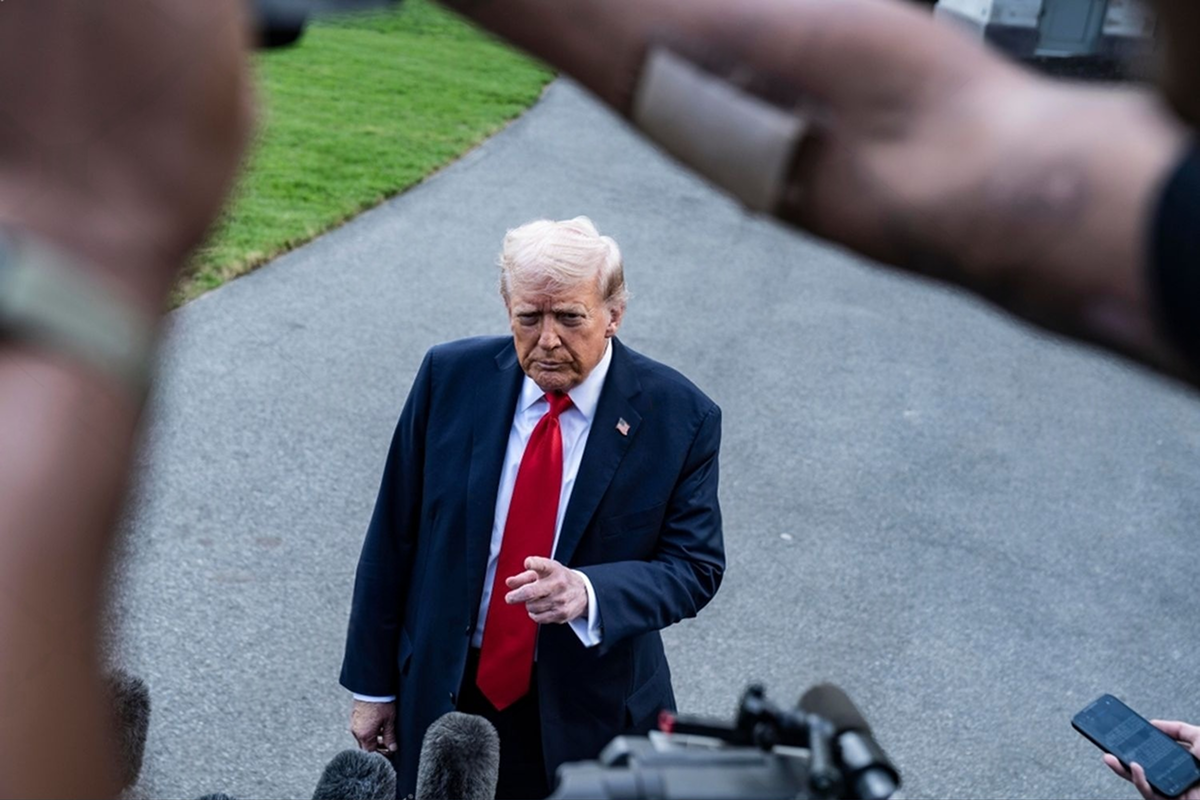
U.S. President Donald Trump announced on March 23 that Washington will postpone planned strikes on Iranian energy and power facilities for five days, citing what he called “productive conversations” with Tehran aimed at ending hostilities in the long‑running Middle East conflict. Financial markets interpreted the move as a de‑escalation of geopolitical risks that have driven oil prices sharply higher and pressured global equities in recent weeks.
Market Reaction and Oil Dynamics
The announcement of a temporary pause in potential U.S. military action against Iranian energy infrastructure triggered an immediate market response. Brent crude futures plunged as much as 13 %, while other benchmarks similarly retreated as traders recalibrated risk premiums tied to potential supply disruptions. Simultaneously, global equity markets rallied, with major indices posting gains as investor sentiment improved on the perception that heightened geopolitical risk might be momentarily contained.
For energy markets, the five‑day pause lowered the near‑term likelihood of damage to Iranian oil facilities or prolonged closures of the Strait of Hormuz — a critical artery for roughly a fifth of global crude shipments. Tightness in global oil markets earlier in March had been a key driver of price volatility, heightening inflationary pressures and complicating central bank policy expectations.
Diplomacy vs. Denial
Despite Trump’s characterization of the situation as involving “very good and productive” discussions, Iranian officials publicly denied that direct negotiations with the United States are underway. Tehran’s repudiation of U.S. claims adds ambiguity to the diplomatic landscape and raises questions about the durability of any cease‑fire momentum. Independent analysts have underscored that a genuine diplomatic breakthrough would require verifiable engagement on core issues, including reopening shipping lanes and clarifying security guarantees — conditions that remain unresolved.
The conflicting narratives have injected a degree of skepticism into market pricing: while the short-term reprieve is welcomed, the absence of confirmed bilateral talks leaves the underlying risk environment fragile. If diplomatic channels remain opaque, markets may quickly re‑price geopolitical risk once the five‑day window expires.
Strategic Implications for Global Supply and Risk
The U.S. decision to delay strikes — especially against energy infrastructure — reflects broader strategic calculations. Military action targeting energy assets carries outsized consequences for global supply chains and inflation expectations. After recent strikes — including U.S. and allied operations earlier in March — fears of lasting damage to Iran’s export capacity had kept prices elevated.
From a financial perspective, market participants are closely monitoring indicators such as tanker traffic through the Strait of Hormuz, oil inventory levels, and central bank communications to gauge whether the temporary pause signals a genuine shift toward de‑escalation or simply a tactical delay in hostilities.
Looking ahead, investors should watch for hard data on dialogue between Washington and Tehran, official actions by OPEC and other producers, and updates on regional security incidents. These variables will influence whether current risk premiums recede or re‑emerge in asset pricing, with implications for energy markets, inflation trends, and broader financial stability.
Comparison, examination, and analysis between investment houses
Leave your details, and an expert from our team will get back to you as soon as possible
* This article, in whole or in part, does not contain any promise of investment returns, nor does it constitute professional advice to make investments in any particular field.
To read more about the full disclaimer, click here
- orshu
- •
- 6 Min Read
- •
- ago 7 minutes
SKN | Oil Climbs Back After Iran Official Denies U.S. Negotiations: Market Stability Tested
Crude oil prices regained ground after earlier losses as investors weighed conflicting reports on U.S.-Iran diplomatic engagement. While a temporary
- ago 7 minutes
- •
- 6 Min Read

Crude oil prices regained ground after earlier losses as investors weighed conflicting reports on U.S.-Iran diplomatic engagement. While a temporary

- omer bar
- •
- 8 Min Read
- •
- ago 3 hours
SKN | Could a 100% Oil Price Surge From an Iran Conflict Shake Global Stock Markets?
Rising geopolitical tensions involving Iran have revived concerns about potential disruptions to global oil supply. If a conflict were to
- ago 3 hours
- •
- 8 Min Read

Rising geopolitical tensions involving Iran have revived concerns about potential disruptions to global oil supply. If a conflict were to

- sagi habasov
- •
- 8 Min Read
- •
- ago 4 hours
SKN | Oil Stabilizes After Sharp Selloff as Trump Softens Iran Energy Threats
Oil prices held near recent lows after a steep decline, as former U.S. President Donald Trump appeared to walk back
- ago 4 hours
- •
- 8 Min Read
Oil prices held near recent lows after a steep decline, as former U.S. President Donald Trump appeared to walk back
- orshu
- •
- 6 Min Read
- •
- ago 7 hours
SKN | Gold Rebounds From Session Lows as Trump Signals ‘Productive’ Iran Talks—Safe-Haven Demand Eases?
Gold prices trimmed earlier losses after former U.S. President Donald Trump described recent discussions with Iran as “productive,” easing
- ago 7 hours
- •
- 6 Min Read

Gold prices trimmed earlier losses after former U.S. President Donald Trump described recent discussions with Iran as “productive,” easing

