


- omer bar
- •
- 6 Min Read
- •
- 1 month ago
Key Points
- An early investment in Tesla at $17 in 2010 would have generated extraordinary long-term returns despite extreme volatility.
- The stock’s appreciation reflects structural shifts in EV adoption, technology disruption and capital market momentum.
- Past performance underscores the power of long-term compounding, but also highlights valuation and execution risks ahead.
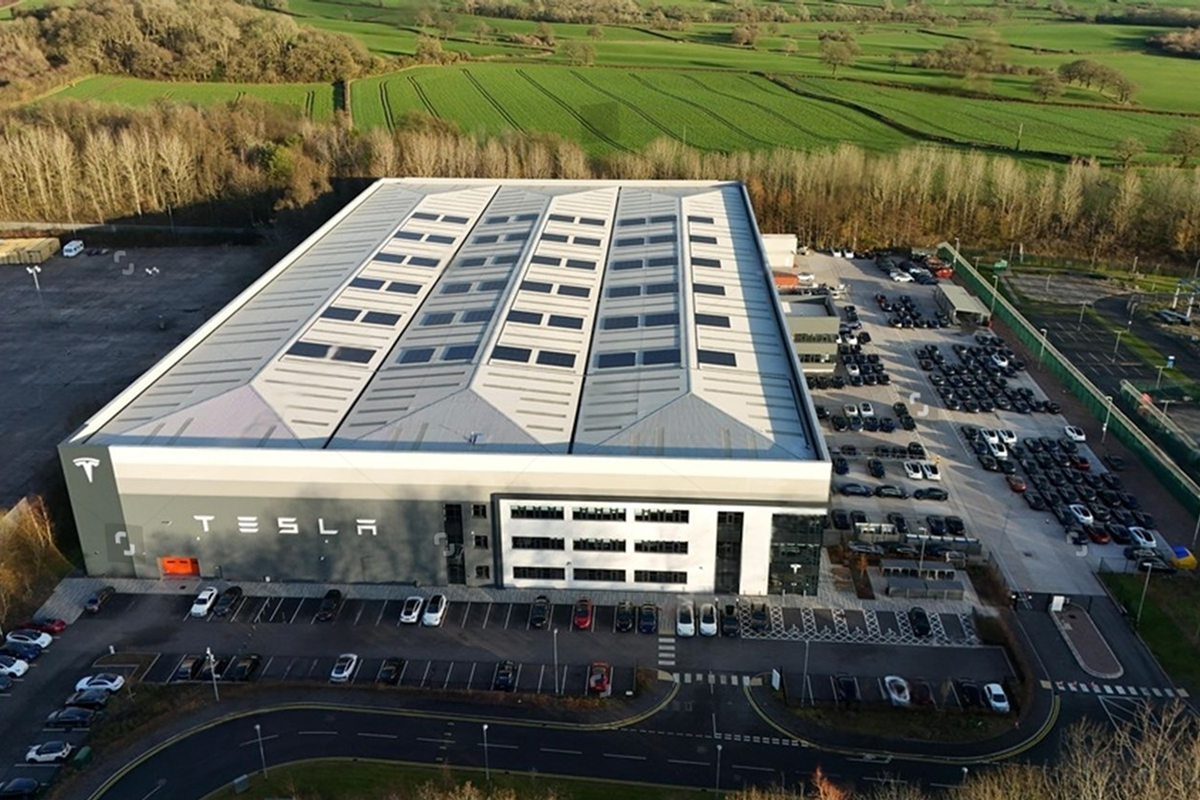
An investor who purchased Tesla shares at $17 during its 2010 IPO would have experienced one of the most remarkable wealth-creation stories in modern equity markets. Over the past decade and a half, Tesla has transformed from a niche electric vehicle startup into one of the world’s most valuable automakers, reshaping industries and rewarding patient shareholders.
The Mathematics of Long-Term Compounding
Tesla went public in June 2010 at $17 per share. Adjusted for subsequent stock splits — including the 5-for-1 split in 2020 and the 3-for-1 split in 2022 — the effective cost basis for early investors became significantly lower on a per-share basis. At recent trading levels in the hundreds of dollars per share, that original investment has multiplied dramatically.
For illustration, a $10,000 investment at the IPO price would have secured approximately 588 shares pre-split. After the cumulative 15-for-1 split adjustment, that holding would equate to 8,820 shares. At a hypothetical share price of $250, the position would be valued at over $2.2 million. Even at lower current prices, the return remains extraordinary, demonstrating the exponential impact of equity compounding over time.
Such performance, however, did not occur in a straight line. Tesla shares endured multiple drawdowns exceeding 30%–50%, requiring significant risk tolerance from long-term holders.
Structural Growth Drivers Behind the Surge
Tesla’s rise was fueled by several structural catalysts. The global shift toward electric mobility accelerated as regulatory frameworks tightened emissions standards and battery costs declined. Tesla’s early-mover advantage in battery technology, vertical integration and software-driven vehicle architecture created a competitive moat.
Beyond vehicles, the company expanded into energy storage, autonomous driving software and artificial intelligence initiatives. Markets increasingly valued Tesla not merely as an automaker but as a technology platform company, supporting premium valuation multiples relative to legacy manufacturers.
The broader macro backdrop also played a role. A prolonged period of low interest rates between 2010 and 2021 amplified investor appetite for growth stocks. Capital flowed into disruptive technology names, pushing valuations higher across the sector.
Volatility, Valuation and Forward Outlook
Despite its historic gains, Tesla remains a volatile equity. Pricing competition in the EV market, margin compression, supply chain adjustments and macroeconomic headwinds continue to influence share performance. Recent years have shown that even high-growth leaders are vulnerable to cyclical slowdowns and valuation resets.
For Israeli and global investors with diversified exposure to U.S. technology stocks, Tesla’s journey illustrates both opportunity and risk. Concentrated positions in transformative companies can generate outsized returns, but they require patience and disciplined portfolio management.
Looking ahead, Tesla’s trajectory will depend on production scalability, margin stability, autonomous driving advancements and global EV demand trends. Risks include intensified competition, regulatory uncertainty and shifting capital market conditions. Opportunities may arise if technological innovation sustains revenue growth and operational efficiency improves. The story of a $17 IPO investment turning into multi-million-dollar wealth underscores the extraordinary potential of long-term equity ownership — but it also serves as a reminder that future returns will hinge on execution in an increasingly competitive and capital-sensitive market environment.
Comparison, examination, and analysis between investment houses
Leave your details, and an expert from our team will get back to you as soon as possible
* This article, in whole or in part, does not contain any promise of investment returns, nor does it constitute professional advice to make investments in any particular field.
To read more about the full disclaimer, click here
- Ronny Mor
- •
- 9 Min Read
- •
- ago 9 hours
SKN | Can Alibaba’s AI Chip Pivot and Q3 Earnings Reset Its Long-Term Growth Narrative?
Alibaba Group Holding (NYSE: BABA) is undergoing a strategic transformation as it doubles down on artificial intelligence and cloud infrastructure,
- ago 9 hours
- •
- 9 Min Read

Alibaba Group Holding (NYSE: BABA) is undergoing a strategic transformation as it doubles down on artificial intelligence and cloud infrastructure,

- omer bar
- •
- 9 Min Read
- •
- ago 9 hours
SKN | Can Accenture’s Claude-Powered Cyber.AI Reinforce Its AI Investment Narrative Amid Slowing Growth?
Accenture (NYSE: ACN) is sharpening its artificial intelligence strategy with the launch of Cyber.AI, a cybersecurity platform built on Anthropic’s
- ago 9 hours
- •
- 9 Min Read

Accenture (NYSE: ACN) is sharpening its artificial intelligence strategy with the launch of Cyber.AI, a cybersecurity platform built on Anthropic’s

- Lior mor
- •
- 8 Min Read
- •
- ago 10 hours
SKN | Can FedEx’s SameDay Local and AI Strategy Redefine Its Competitive Edge in Logistics?
FedEx (NYSE: FDX) is repositioning its growth strategy through the launch of SameDay Local and a broader push into AI-driven
- ago 10 hours
- •
- 8 Min Read

FedEx (NYSE: FDX) is repositioning its growth strategy through the launch of SameDay Local and a broader push into AI-driven
- Lior mor
- •
- 8 Min Read
- •
- ago 18 hours
SKN | Can Pfizer’s Dividend Sustain Investor Confidence Amid Mounting Growth Pressures?
Pfizer’s recent stock performance has offered a degree of resilience, rising more than 16% over the past six months despite
- ago 18 hours
- •
- 8 Min Read

Pfizer’s recent stock performance has offered a degree of resilience, rising more than 16% over the past six months despite

