




- omer bar
- •
- 6 Min Read
- •
- 1 month ago


Key Points
- President Donald Trump has threatened to block Bombardier aircraft from the U.S. market unless the Canadian manufacturer builds its jets in the United States.
- Bombardier has extensive U.S. operations, including more than 3,500 employees and a supply network involving about 2,800 American companies across 47 states.
- The dispute comes as Bombardier reports strong financial momentum, with a $21.8 billion backlog and $1.9 billion of available liquidity at the end of June.
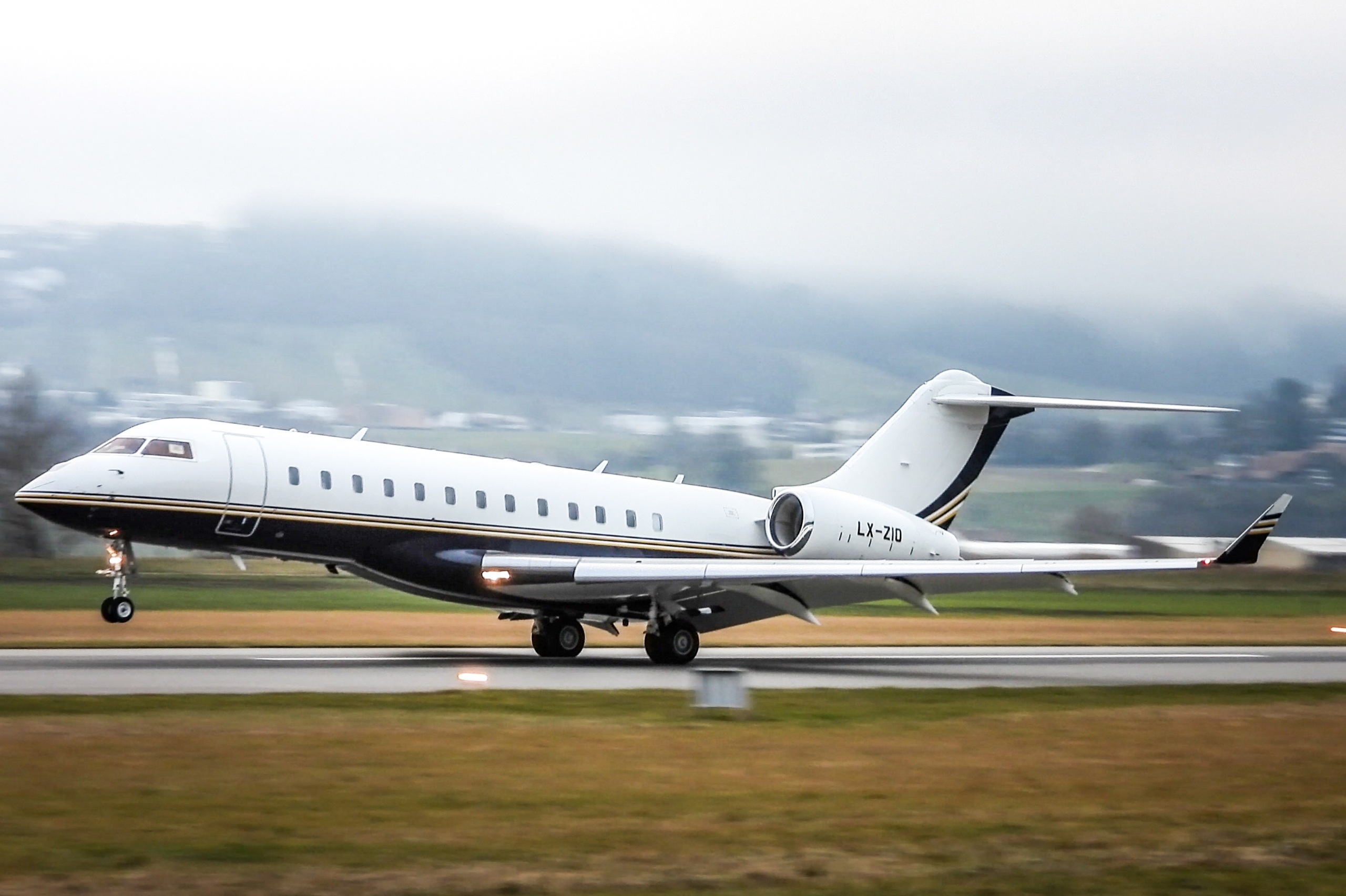
Bombardier has been pulled directly into the escalating U.S.-Canada trade dispute after President Donald Trump threatened to prevent the Canadian aircraft manufacturer from selling its jets in the United States unless it begins producing them domestically. The threat adds a new dimension to the trade conflict, moving beyond tariffs toward potential restrictions on market access for a major multinational company with deeply integrated North American operations.
Trump Threat Puts U.S. Market Access in Focus
Trump’s warning came as Canada’s retaliatory tariffs on approximately $20 billion of U.S. goods took effect, intensifying tensions between Washington and Ottawa. The president argued that Bombardier should manufacture aircraft in the United States if it wants continued access to American customers, creating uncertainty around one of the company’s most important markets.
The potential impact is significant because the United States is a major market for Bombardier’s business jets. At the same time, the company has a substantial American footprint, employing more than 3,500 people in the country and spending more than $2.5 billion annually with U.S. suppliers. Its supply chain includes approximately 2,800 American companies across 47 states, highlighting how closely the Canadian manufacturer is already connected to the U.S. economy.
Bombardier Enters the Dispute From a Position of Strength
The trade confrontation comes at a relatively strong point in Bombardier’s financial cycle. Second-quarter 2026 revenue increased 6% year over year, while the company continued to benefit from demand for business aircraft and growth in its aftermarket services operation.
Its backlog reached $21.8 billion at June 30, up $4.3 billion from the end of 2025. The company also reported a second-quarter unit book-to-bill ratio of 1.5 times, reflecting continued demand, particularly for its Global 8000 aircraft. Available liquidity stood at approximately $1.9 billion, while Bombardier had no debt maturities before November 2030 following refinancing and debt-reduction measures.
Those figures provide financial resilience, but they do not eliminate the strategic risk associated with a potential U.S. market restriction. Aircraft are long-cycle products, and changes to production locations, certification, supply chains or customer delivery schedules could have consequences well beyond the immediate tariff dispute.
Trade Policy Becomes a Corporate Operating Risk
The Bombardier episode illustrates how quickly geopolitical tensions can become a direct business risk for multinational companies. Aerospace manufacturing is particularly integrated across borders, making a forced relocation of production potentially costly and operationally complex.
The political response inside the United States also underscores the difficulty of enforcing such a measure. Bombardier’s Wichita operations support more than 1,000 jobs in Kansas, prompting Republican lawmakers from the state to raise concerns about the potential economic impact. The company has also emphasized that many major components and manufacturing activities already involve U.S. facilities and suppliers.
Markets will now watch whether the threat develops into an enforceable policy or becomes leverage in broader negotiations between Washington and Ottawa. For Bombardier, the immediate priorities will be protecting U.S. market access, maintaining customer confidence and preserving supply-chain efficiency. For investors and the wider aerospace industry, the episode is another indication that trade policy is increasingly becoming a factor in corporate strategy, capital allocation and cross-border production decisions.
Comparison, examination, and analysis between investment houses
Leave your details, and an expert from our team will get back to you as soon as possible
* This article, in whole or in part, does not contain any promise of investment returns, nor does it constitute professional advice to make investments in any particular field.
To read more about the full disclaimer, click here
- sagi habasov
- •
- 8 Min Read
- •
- ago 3 hours
SKN | S&P 500 Market Breadth Weakens: 85% of Stocks Fall at Least 10% From Their Highs Despite Index Gains
The U.S. stock market is showing a sharp divergence between the performance of its headline indexes and the experience
- ago 3 hours
- •
- 8 Min Read

The U.S. stock market is showing a sharp divergence between the performance of its headline indexes and the experience

- Ronny Mor
- •
- 8 Min Read
- •
- ago 17 hours
SKN | World’s 10 Largest Companies Reach $31.21 Trillion in Combined Market Value as Big Tech Dominates Global Markets
The combined market value of the world's 10 largest companies increased to approximately $31.21 trillion, according to the attached
- ago 17 hours
- •
- 8 Min Read

The combined market value of the world's 10 largest companies increased to approximately $31.21 trillion, according to the attached
- sagi habasov
- •
- 7 Min Read
- •
- ago 17 hours
SKN | S&P 500 Weekly Review: Constellation Energy Soars as AI Power Demand Reshapes Market Leadership
U.S. equities finished the week ended October 9, 2026, higher, but individual stock performance remained uneven across the S&P
- ago 17 hours
- •
- 7 Min Read

U.S. equities finished the week ended October 9, 2026, higher, but individual stock performance remained uneven across the S&P

- Lior mor
- •
- 7 Min Read
- •
- ago 2 days
SKN | Could Tesla’s China Sales Rebound Sustain Its Stock Rally Despite Margin Pressures?
Tesla shares advanced on October 9 after new figures showed continued growth in sales of vehicles produced at the company’s
- ago 2 days
- •
- 7 Min Read

Tesla shares advanced on October 9 after new figures showed continued growth in sales of vehicles produced at the company’s
