


- Lior mor
- •
- 6 Min Read
- •
- 4 months ago
Key Points
- Changpeng “CZ” Zhao, the Binance founder, is being sued in a U.S. federal court for allegedly facilitating over $50 million in transactions to Hamas and other terrorist groups.
- Plaintiffs claim Binance‑controlled wallets moved hundreds of millions before and after the October 7, 2023, Hamas attack, some of which allegedly remain active.
- The accusations come amid broader regulatory scrutiny — Binance previously paid $4.3 billion in a U.S. AML settlement, and its founder served prison time.
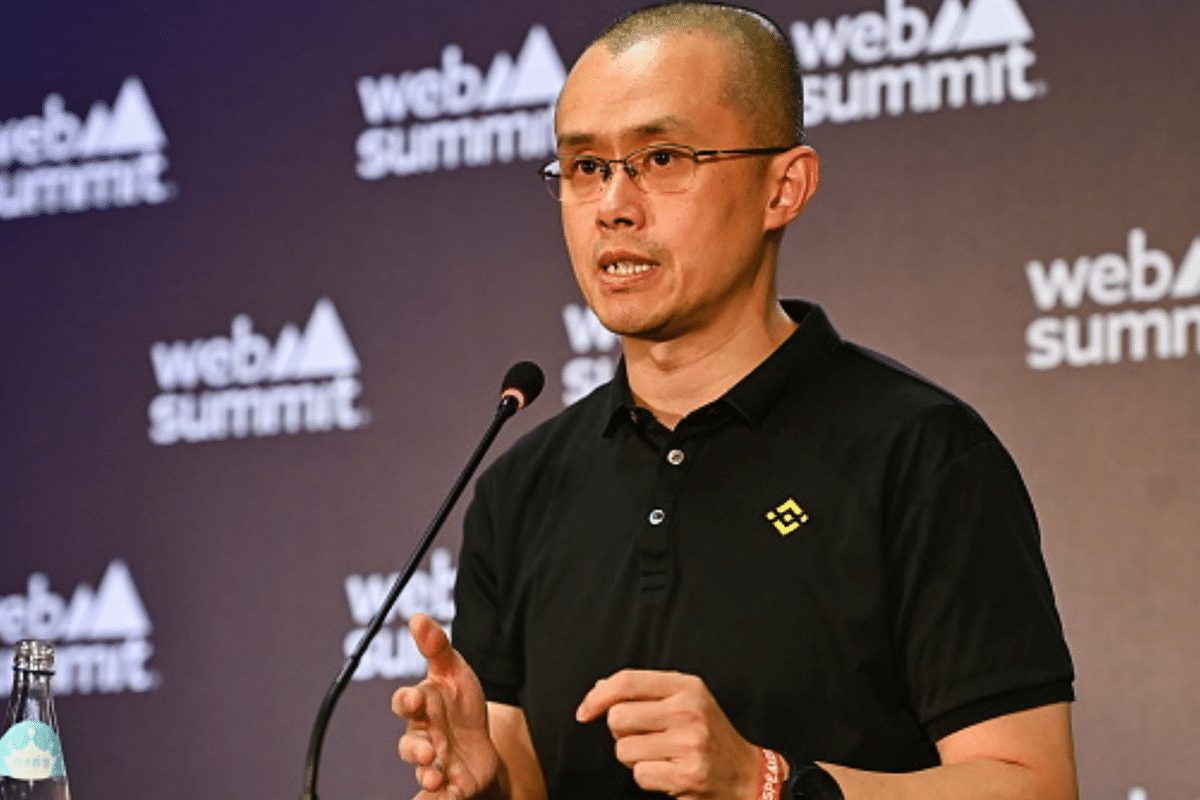
Binance founder Changpeng Zhao (known as CZ) now faces fresh and grave allegations: that he knowingly facilitated financial flows to Hamas and other sanctioned militant organizations. These accusations come at a sensitive moment for the crypto giant, which remains under regulatory and legal pressure worldwide.
Details of the Lawsuit
In a civil complaint filed on November 24, 2025, in a U.S. federal court, the plaintiffs — American citizens whose loved ones were killed, wounded, or taken hostage during Hamas’s October 7, 2023 attack — assert that Binance provided “substantial assistance” to Hamas, Hezbollah, Iran’s Revolutionary Guard Corps and Palestinian Islamic Jihad. The suit alleges that Binance-operated wallets transferred more than $300 million to designated blockchain addresses before the 2023 attacks, and $115 million afterward. According to their lawyers, some of these accounts remain active, and Binance “enabled terrorists and other criminals … to shuffle enormous sums … with impunity.”
These claims revive past regulatory concerns. In its 2023 settlement with U.S. authorities, Binance admitted to AML violations and agreed to pay $4.3 billion, while Zhao pled guilty to charges under the Bank Secrecy Act. Zhao also resigned from his CEO role and was later sentenced to four months in prison.
Regulatory & Reputational Fallout
These allegations intensify the regulatory saga Binance has been navigating for years. The U.S. Treasury and other agencies previously accused the exchange of willfully ignoring suspicious transactions involving violent extremist groups, including Hamas. Legal filings suggest that Binance employees were aware of such transactions. For instance, internal communications allegedly revealed that a compliance officer in 2019 recognized “Hamas transactions” but regarded them as “small sums.”
Despite past settlements, the new lawsuit paints a portrait of ongoing risk — not just to Binance’s business, but to its reputation and legitimacy in key markets. If proven, the claims could trigger further regulatory actions, civil judgments, and tougher controls on crypto platforms globally.
Strategic and Market Implications
The strategic ramifications for Binance and the broader crypto sector could be significant. As one of the world’s largest exchanges by volume, Binance’s perceived association with terror financing might erode trust with institutional partners and regulatory bodies. Investors may view this as a systemic compliance risk, especially in jurisdictions that are tightening anti-money laundering and counterterrorism financing (CTF) frameworks.
For global markets, the case underscores the challenges facing crypto platforms balancing rapid growth and compliance. The allegations may fuel calls for stricter regulation of stablecoins, blockchain transparency, and enhanced KYC (know-your-customer) rules — particularly in jurisdictions where Binance has a strong presence, including Israel and other countries in Europe and Asia.
Looking ahead, stakeholders will closely monitor how the court rules on these accusations, whether Binance mounts a strong defense, and whether regulators impose fresh sanctions or financial penalties. For the crypto industry, this could mark another turning point: the deepening legal risk of opaque fund flows might finally force exchanges to overhaul compliance infrastructure. For investors and policymakers alike, what happens next could reshape how serious the world treats crypto not just as innovation — but as a potential national security concern.
Comparison, examination, and analysis between investment houses
Leave your details, and an expert from our team will get back to you as soon as possible
* This article, in whole or in part, does not contain any promise of investment returns, nor does it constitute professional advice to make investments in any particular field.
To read more about the full disclaimer, click here
- omer bar
- •
- 7 Min Read
- •
- ago 51 minutes
SKN | Is OpenAI Too Dependent on Microsoft Ahead of Its Expected IPO?
OpenAI is signaling a critical vulnerability as it prepares for a potential public market debut: its deep reliance on Microsoft.
- ago 51 minutes
- •
- 7 Min Read

OpenAI is signaling a critical vulnerability as it prepares for a potential public market debut: its deep reliance on Microsoft.

- Lior mor
- •
- 7 Min Read
- •
- ago 1 hour
SKN | Is Meta’s AI Talent Grab the Start of an Agent Wars Arms Race?
Meta is doubling down on its artificial intelligence ambitions with a strategic acqui-hire of top-tier talent from startup Dreamer, signaling
- ago 1 hour
- •
- 7 Min Read

Meta is doubling down on its artificial intelligence ambitions with a strategic acqui-hire of top-tier talent from startup Dreamer, signaling

- Ronny Mor
- •
- 5 Min Read
- •
- ago 13 hours
SKN | Trustpilot Hit With €4M Fine—Are Online Reviews Losing Consumer Trust?
Italy’s competition regulator has fined Trustpilot €4 million ($4.6 million), raising fresh concerns about the reliability of online review systems.
- ago 13 hours
- •
- 5 Min Read

Italy’s competition regulator has fined Trustpilot €4 million ($4.6 million), raising fresh concerns about the reliability of online review systems.
- omer bar
- •
- 6 Min Read
- •
- ago 14 hours
SKN | Why Is Korea’s AI Startup Upstage Turning to AMD in the Race for AI Independence?
South Korea’s push to become a global AI powerhouse is accelerating, and a key battleground is emerging in semiconductor sourcing.
- ago 14 hours
- •
- 6 Min Read

South Korea’s push to become a global AI powerhouse is accelerating, and a key battleground is emerging in semiconductor sourcing.

