


- omer bar
- •
- 6 Min Read
- •
- 5 seconds ago
Key Points
- The Australian government announced $693 million in low-interest loans to support businesses facing elevated fuel costs.
- The initiative aims to mitigate the impact of supply chain disruptions and rising energy expenses on economic activity.
- Analysts highlight the potential effects on market liquidity, operational costs, and broader business confidence.
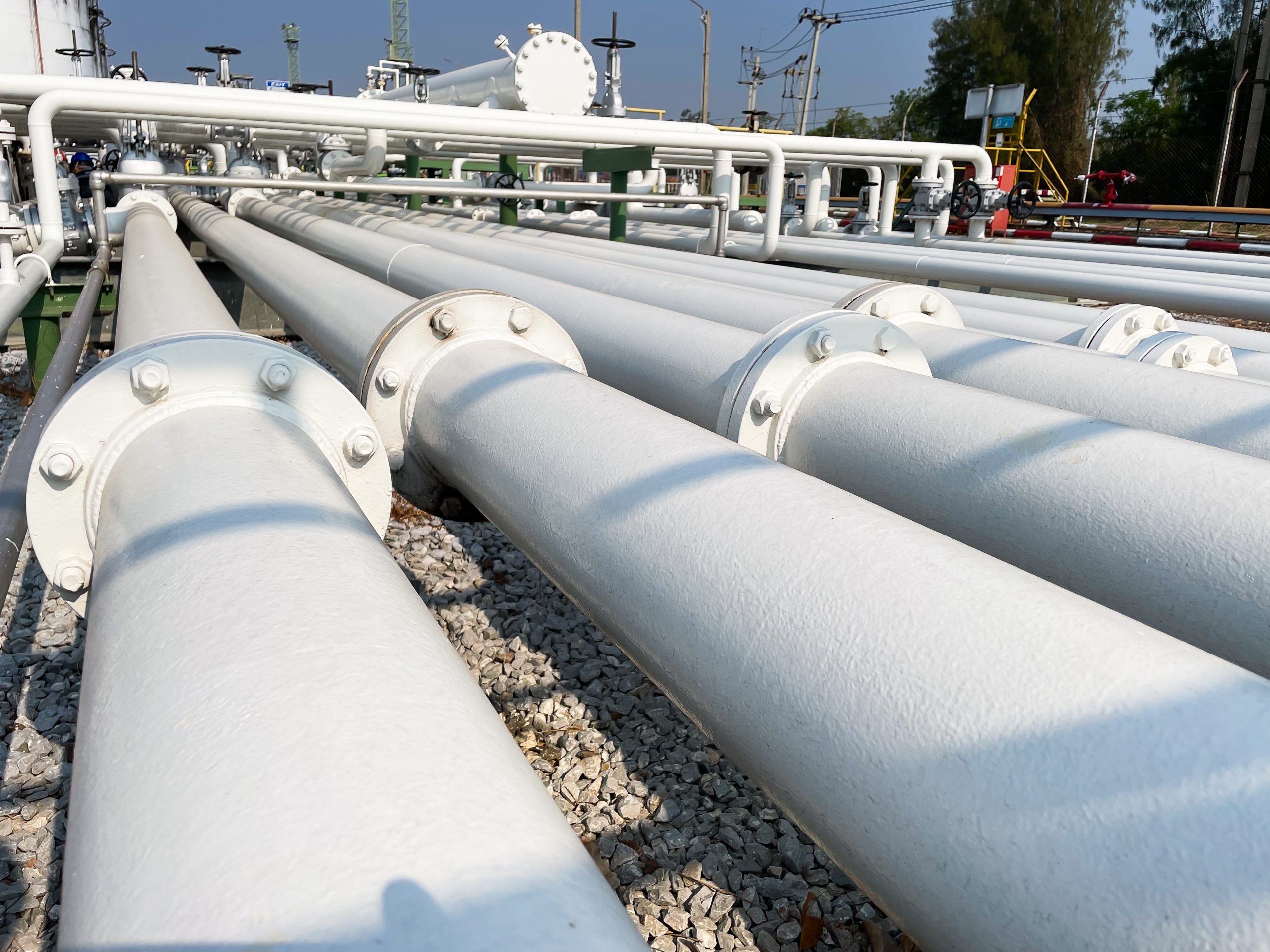
Amid rising fuel prices and supply constraints, the Australian government has introduced a $693 million low-interest loan program for businesses. The measure is designed to ease cost pressures for transport, logistics, and industrial sectors, which are particularly sensitive to fluctuations in fuel and energy prices. By providing financial support, authorities hope to maintain operational continuity and reduce the risk of inflationary shocks across local markets.
Government Measures and Business Support
The loan program offers concessional financing to companies struggling with elevated fuel costs, enabling them to stabilize cash flows and maintain operations. Officials emphasized that the funds are intended to prioritize essential services, including freight, public transportation, and critical supply chains. This proactive approach demonstrates a coordinated effort to prevent temporary disruptions from escalating into more widespread economic challenges, particularly in sectors heavily reliant on energy inputs.
The initiative also signals recognition of the vulnerability of businesses to volatile commodity prices and global energy markets. By providing structured access to affordable capital, the government seeks to alleviate financial stress, ensuring companies can continue operations without abrupt cost-cutting measures that could impact employment or service delivery.
Market Impact and Operational Considerations
Fuel price volatility has strained business margins in Australia, with transport and logistics companies facing the dual challenge of high operating costs and tight delivery schedules. Analysts note that low-interest loans may help stabilize short-term liquidity, but the underlying supply issues—such as refinery output constraints and international energy market pressures—remain key factors for ongoing market dynamics.
Investors and market participants are closely monitoring both the uptake of the loan program and its potential effects on corporate financial performance. Companies benefiting from subsidized financing may experience temporary relief, while those unable to access loans could face heightened cost pressures. This divergence could influence stock valuations for publicly listed transport, energy-intensive, and logistics companies in Australia.
Broader Economic and Strategic Implications
The loan initiative underscores the government’s strategic focus on mitigating inflationary pressures and supporting business confidence during periods of market stress. By providing targeted financial relief, authorities aim to sustain supply chain resilience and ensure that rising fuel costs do not cascade into broader economic disruptions.
Looking ahead, policymakers and investors will track the program’s effectiveness in stabilizing operational costs, as well as ongoing developments in global oil prices and regional fuel supply. Key indicators include uptake rates for loans, changes in energy market prices, and operational continuity within critical sectors. Businesses and investors alike will need to assess how such interventions influence cash flow stability, sectoral performance, and broader market confidence in the months ahead.
Comparison, examination, and analysis between investment houses
Leave your details, and an expert from our team will get back to you as soon as possible
* This article, in whole or in part, does not contain any promise of investment returns, nor does it constitute professional advice to make investments in any particular field.
To read more about the full disclaimer, click here
- Ronny Mor
- •
- 8 Min Read
- •
- ago 4 hours
SKN | Is the Federal Reserve Preparing for Policy Whiplash as Inflation and Labor Risks Collide?
Fed Signals Strategic Flexibility Amid Rising Uncertainty Federal Reserve Bank of St. Louis President Alberto Musalem has reinforced a critical
- ago 4 hours
- •
- 8 Min Read
Fed Signals Strategic Flexibility Amid Rising Uncertainty Federal Reserve Bank of St. Louis President Alberto Musalem has reinforced a critical

- sagi habasov
- •
- 7 Min Read
- •
- ago 10 hours
SKN | Is the Fed Underestimating Inflation Risks as Oil Prices Surge Again?
Fed Signals Caution as Energy Prices Complicate Policy Outlook Federal Reserve officials are increasingly signaling a more cautious stance as
- ago 10 hours
- •
- 7 Min Read
Fed Signals Caution as Energy Prices Complicate Policy Outlook Federal Reserve officials are increasingly signaling a more cautious stance as

- omer bar
- •
- 6 Min Read
- •
- ago 2 days
SKN | Gold Rises as Fed Rate-Cut Speculation and Trump Remarks Influence Market Sentiment
Gold prices gained ground as investors weighed expectations of a potential Federal Reserve rate cut alongside market reactions to remarks
- ago 2 days
- •
- 6 Min Read

Gold prices gained ground as investors weighed expectations of a potential Federal Reserve rate cut alongside market reactions to remarks
- sagi habasov
- •
- 7 Min Read
- •
- ago 2 days
SKN | U.S. Eyes Alternatives After WTO Talks Fail to Renew E‑Commerce Moratorium
Global trade negotiations at the World Trade Organization’s (WTO) 14th ministerial meeting in Yaoundé, Cameroon concluded without agreement on extending
- ago 2 days
- •
- 7 Min Read
Global trade negotiations at the World Trade Organization’s (WTO) 14th ministerial meeting in Yaoundé, Cameroon concluded without agreement on extending

