


- sagi habasov
- •
- 9 Min Read
- •
- 10 minutes ago
Key Points
- India’s S&P BSE SENSEX leads gains in the Asian morning session, supported by continued investor confidence in domestic growth.
- China and Hong Kong post moderate advances, signaling cautious optimism across regional markets.
- Japan, South Korea, and Australia trade lower as investors engage in profit-taking following recent rallies.
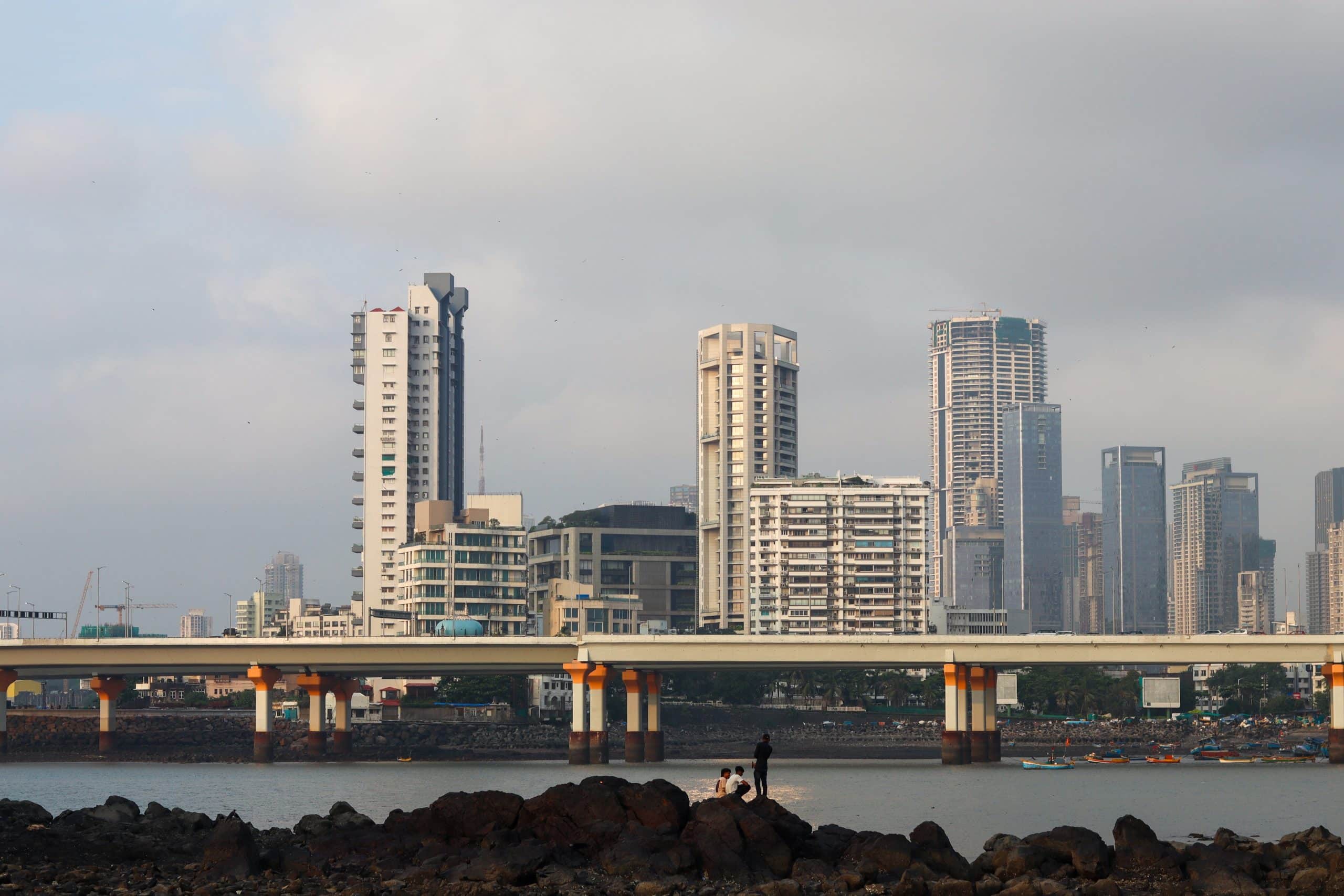
Asian equity markets opened Monday, April 13 with mixed performance across the region as investors balanced optimism in emerging markets with cautious positioning in developed Asia. Gains in India, China, and Hong Kong provided some support to overall sentiment, while declines in Japan, South Korea, and Australia reflected a pause after strong rallies in recent sessions.
The uneven start to the week highlights a divergence in investor positioning, as market participants assess global growth signals, currency movements, and evolving macroeconomic expectations. Regional trading dynamics are also being shaped by multiple holiday closures, which are impacting liquidity across parts of Asia and the Middle East.
India, China, and Hong Kong Lead Gains
India’s S&P BSE SENSEX emerged as the strongest performer during the Asian morning session, rising 1.20 percent to 77,550.25. The advance reflects sustained investor confidence in India’s economic outlook, supported by robust domestic consumption, ongoing infrastructure investment, and continued foreign institutional inflows.
India remains one of the most attractive growth stories within Asia, with global investors increasingly allocating capital to its equity markets. Strong corporate earnings expectations and favorable demographic trends continue to underpin positive sentiment toward Indian equities.
In Greater China, markets also posted moderate gains. The SSE Composite Index rose 0.51 percent to 3,986.22, indicating cautious optimism as investors monitor economic indicators and policy signals from Beijing. While concerns around growth persist, incremental improvements in sentiment suggest that market participants are selectively increasing exposure to mainland equities.
Hong Kong’s Hang Seng Index advanced 0.55 percent to 25,893.54, supported by gains in technology and financial stocks. The market continues to act as a key gateway for global capital flows into Chinese assets, and its performance often reflects broader investor sentiment toward China’s economic trajectory.
Japan and South Korea Retreat After Recent Strength
In contrast, developed markets in Asia showed signs of consolidation during Monday’s session. Japan’s Nikkei 225 declined 0.68 percent to 56,537.29, as investors took profits following recent strong gains. The pullback suggests short-term repositioning rather than a fundamental shift in sentiment, as Japan’s equity market continues to benefit from supportive corporate and macroeconomic conditions.
South Korea’s KOSPI Composite Index also moved lower, falling 0.62 percent to 5,822.75. The decline comes after a period of strong performance driven by semiconductor and technology stocks. Given the market’s sensitivity to global demand for electronics and artificial intelligence infrastructure, investors are closely monitoring external demand trends.
Currency movements provided additional context for market performance. The Japanese Yen Index slipped 0.17 percent to 62.79, reflecting slight weakness in the currency. Meanwhile, the Australian Dollar Index declined 0.20 percent to 70.68, indicating softer sentiment toward commodity-linked currencies.
Australia’s S&P/ASX 200 also edged lower, falling 0.29 percent to 8,934.70. The modest decline reflects cautious positioning among investors as they assess global commodity demand and broader economic signals.
Holiday Closures Shape Regional Liquidity
Trading conditions across Asia are being influenced by multiple holiday-related closures, which are affecting liquidity and market participation. The Colombo Stock Exchange in Sri Lanka is closed for the Day prior to Sinhala & Tamil New Year Day B.P.M. while the Beirut Stock Exchange in Lebanon is observing Orthodox Easter Monday.
In Southeast Asia, the Thailand Stock Exchange is closed for the Songkran Festival, further reducing trading activity in the region. Additionally, the Egypt Stock Exchange is closed for Sham El Nessim, contributing to thinner liquidity across certain markets.
These holiday schedules can amplify price movements in active markets, as lower trading volumes often lead to increased volatility during the morning session. Investors typically focus on major financial centers such as Tokyo, Hong Kong, and Mumbai for directional cues during such periods.
Outlook: Monitoring Divergence and Global Economic Signals
As the Asian trading session progresses on April 13, investors will closely monitor whether gains in India and China can help stabilize broader regional sentiment. The divergence between emerging market strength and developed market consolidation remains a key theme shaping investor strategies.
Currency trends, particularly movements in the Japanese yen and Australian dollar, will continue to provide insight into global capital flows and export competitiveness. At the same time, market participants will watch for economic data releases, corporate earnings updates, and policy signals from major economies across the region.
For global and Israeli investors, the current environment presents a mix of opportunities and risks. Strong performance in select emerging markets highlights potential areas for growth, while volatility in developed markets underscores the importance of disciplined portfolio positioning. The coming sessions will be critical in determining whether Asian markets can build on selective strength or remain in a phase of consolidation as global economic conditions evolve.
Comparison, examination, and analysis between investment houses
Leave your details, and an expert from our team will get back to you as soon as possible
* This article, in whole or in part, does not contain any promise of investment returns, nor does it constitute professional advice to make investments in any particular field.
To read more about the full disclaimer, click here
- omer bar
- •
- 6 Min Read
- •
- ago 8 hours
SKN | Will Markets Reverse as U.S.–Iran Talks Collapse Without a Deal?
The breakdown of negotiations between the United States and Iran is rapidly shifting market sentiment, reversing the optimism that had
- ago 8 hours
- •
- 6 Min Read

The breakdown of negotiations between the United States and Iran is rapidly shifting market sentiment, reversing the optimism that had

- Ronny Mor
- •
- 6 Min Read
- •
- ago 12 hours
SKN | Copper Futures Surge 5.8% on Sustained Breakout: Is Global Industrial Demand Accelerating?
The COMEX Copper May 26 (HG=F) contract concluded a highly bullish trading week, delivering substantial net positive returns as
- ago 12 hours
- •
- 6 Min Read

The COMEX Copper May 26 (HG=F) contract concluded a highly bullish trading week, delivering substantial net positive returns as
- omer bar
- •
- 6 Min Read
- •
- ago 12 hours
SKN | Crude Oil Plunges 13.4% in a Volatile Week: Are Energy Markets Finally Cooling Down?
The Crude Oil May 26 (CL=F) contract recorded a severe 13.42% decline over the five-day trading week, effectively wiping
- ago 12 hours
- •
- 6 Min Read

The Crude Oil May 26 (CL=F) contract recorded a severe 13.42% decline over the five-day trading week, effectively wiping

- Lior mor
- •
- 6 Min Read
- •
- ago 13 hours
SKN | Brent Crude Plunges 12.68% in a Week: Does the Sharp Correction Signal Easing Global Energy Pressures?
The Brent Crude Oil Last Day Financial (^BZ=F) contract recorded a severe 12.68% decline over the five-day trading week, effectively
- ago 13 hours
- •
- 6 Min Read

The Brent Crude Oil Last Day Financial (^BZ=F) contract recorded a severe 12.68% decline over the five-day trading week, effectively

