


- sagi habasov
- •
- 8 Min Read
- •
- 3 hours ago
Key Points
- India, Hong Kong, and Australia advance, while mainland China, Japan, and South Korea trade lower in early Tuesday action.
- Chinese New Year, Lunar New Year, and Korean New Year continue to distort liquidity across major Asian stock exchanges.
- Currency stability in the Japanese yen and mild weakness in the Australian dollar reflect cautious but orderly positioning.
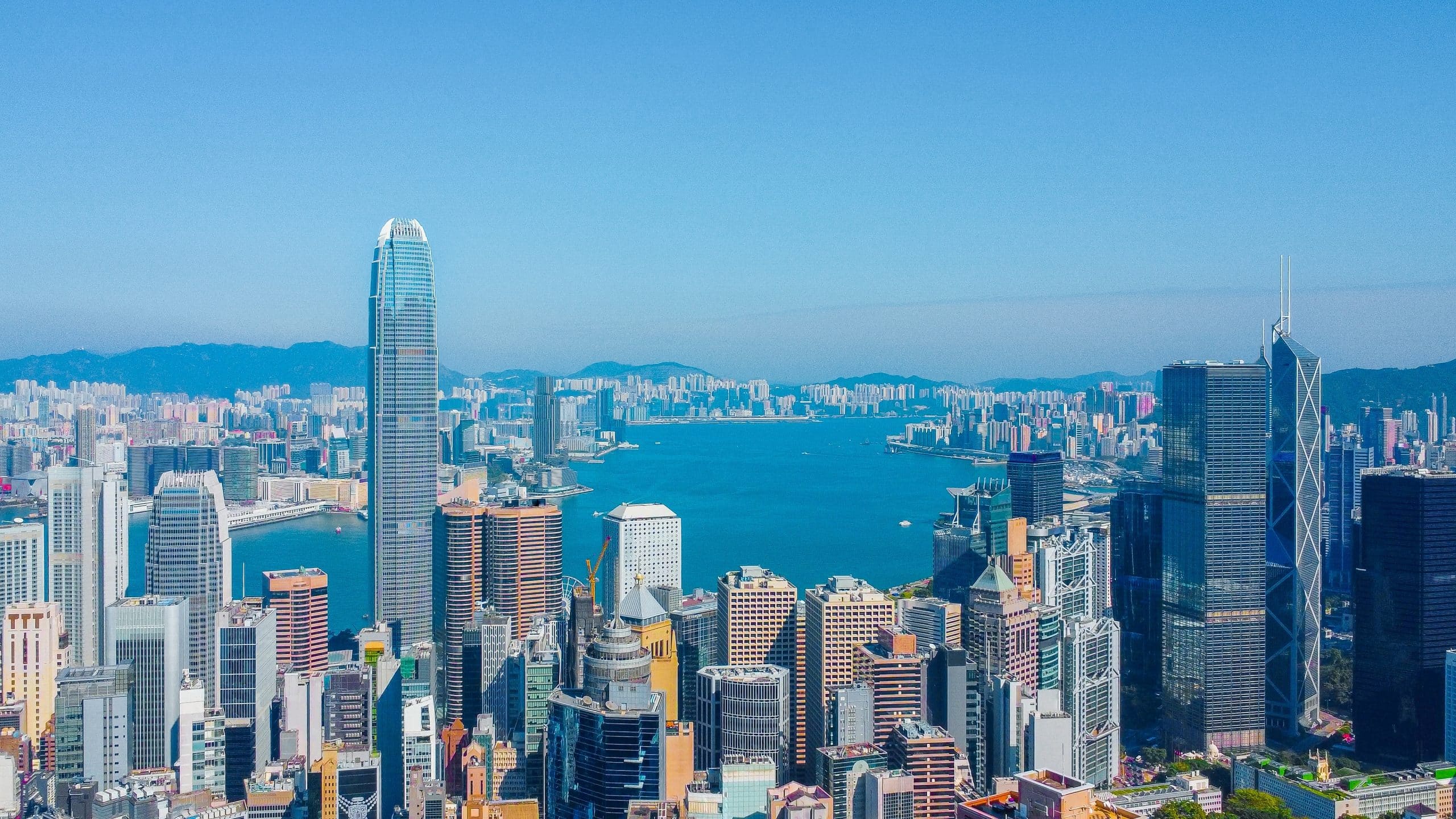
Asian equity markets opened Tuesday, February 17, with a mixed performance across the region as investors navigated holiday-thinned liquidity and uneven risk appetite. The morning session highlights a clear divergence between South Asia’s relative strength and softness in North Asian benchmarks. For global and Israeli investors, the trading tone reflects selective capital rotation rather than broad-based momentum.
India and Hong Kong Outperform as Selective Risk Appetite Returns
India’s S&P BSE SENSEX climbed 0.79 percent to 83,277.15 in early trading, leading regional gains. The move suggests sustained institutional confidence in India’s growth trajectory, supported by domestic demand resilience and structural reform themes. Large-cap financials and industrial names continue to anchor performance, reinforcing India’s position as a preferred allocation within emerging Asia.
Hong Kong’s Hang Seng advanced 0.52 percent to 26,705.94, despite the ongoing Chinese New Year period affecting activity at the Hong Kong Stock Exchange. With China – Shanghai Stock Exchange – Chinese New Year and China – Shenzhen Stock Exchange – Chinese New Year schedules influencing cross-border participation, volumes remain lighter than typical conditions. Nevertheless, the Hang Seng’s resilience indicates that international investors are cautiously positioning ahead of a broader reopening of mainland liquidity.
Australia also joined the positive tone, with the S&P/ASX 200 rising 0.50 percent to 8,981.50. Gains in resource and financial stocks supported the index, while the Australian Dollar Index slipped 0.17 percent to 70.75, potentially enhancing export competitiveness. The currency softness, however, signals measured risk appetite rather than aggressive positioning.
Mainland China and North Asia Weaken Amid Holiday Distortions
Mainland Chinese equities underperformed in the morning session, with the SSE Composite Index falling 1.26 percent to 4,082.07. The Chinese New Year period continues to shape trading conditions across the Shanghai and Shenzhen exchanges, resulting in thinner liquidity and amplified price swings. Reduced domestic institutional participation often leads to volatility spikes, particularly in benchmark-heavy sectors.
Japan’s Nikkei 225 declined 0.38 percent to 56,593.05, reflecting modest profit-taking after recent gains. The Japanese Yen Index remained essentially flat at 65.47, suggesting limited currency-driven pressure on exporters. The absence of significant yen appreciation has prevented deeper downside, but investors appear cautious amid regional crosscurrents.
South Korea’s KOSPI Composite Index dropped 0.28 percent to 5,507.01 as activity is influenced by the Korean new year across both the Seoul Stock Exchange and KOSDAQ. Holiday-related adjustments tend to reduce trading conviction, and this morning’s performance reflects defensive positioning rather than structural weakness.
Southeast Asia Navigates Lunar New Year Adjustments
Across Southeast Asia, Lunar New Year conditions continue to affect trading behavior. Indonesia – Jakarta Stock Exchange – Lunar New Year and Vietnam – Hanoi Stock Exchange – Lunar New Year, alongside Vietnam – Ho Chi Minh City Stock Exchange – Lunar New Year, are experiencing seasonal liquidity shifts. Meanwhile, Philippines – Philippines Stock Exchange – Chinese New Year and Singapore – Singapore Stock Exchange – Chinese New Year schedules also influence participation levels.
Taiwan – Taiwan Stock Exchange – Chinese New Year effects remain relevant for regional semiconductor and technology supply chains, particularly for investors tracking cross-border manufacturing exposure. These holiday dynamics create temporary distortions in price discovery, often masking underlying capital flow trends.
The broader regional picture suggests fragmentation rather than systemic stress. Gains in India and Hong Kong contrast with declines in mainland China and Japan, underscoring a selective allocation environment where investors differentiate between domestic growth stories and externally sensitive markets.
Outlook: Liquidity Return and Capital Flow Signals in Focus
As Asian markets move through the remainder of the week, attention will shift toward the normalization of liquidity following Chinese New Year, Lunar New Year, and Korean New Year disruptions. A full return of institutional participation across Shanghai, Shenzhen, Hong Kong, Seoul, Taipei, and Southeast Asian exchanges could clarify directional trends.
Investors will closely monitor cross-border capital flows into mainland China, the sustainability of India’s outperformance, and currency stability in the yen and Australian dollar. For sophisticated global and Israeli investors, the coming sessions may present both volatility-driven entry points and confirmation of broader regional leadership themes. Once holiday distortions fade, the true strength of Asia’s equity recovery and sector rotation patterns should become more visible.
Comparison, examination, and analysis between investment houses
Leave your details, and an expert from our team will get back to you as soon as possible
* This article, in whole or in part, does not contain any promise of investment returns, nor does it constitute professional advice to make investments in any particular field.
To read more about the full disclaimer, click here
- orshu
- •
- 6 Min Read
- •
- ago 53 seconds
SKN | Global Markets Recap: February 16, 2026 Performance and Outlook Ahead of February 17
Markets exhibited uneven movements on February 16, 2026, as several major exchanges were closed for holidays, including the U.S. New
- ago 53 seconds
- •
- 6 Min Read

Markets exhibited uneven movements on February 16, 2026, as several major exchanges were closed for holidays, including the U.S. New

- Ronny Mor
- •
- 7 Min Read
- •
- ago 7 hours
SKN | Could a Ford–China Auto Joint Venture Reshape the U.S. EV Market?
Ford Motor Co. CEO Jim Farley has quietly explored a controversial idea with members of the Trump administration: allowing Chinese
- ago 7 hours
- •
- 7 Min Read

Ford Motor Co. CEO Jim Farley has quietly explored a controversial idea with members of the Trump administration: allowing Chinese

- sagi habasov
- •
- 7 Min Read
- •
- ago 8 hours
SKN | SpaceX Enters Pentagon Autonomous Drone Contest: A New Defense-Tech Frontier?
SpaceX is reportedly set to compete in a U.S. Department of Defense contest aimed at accelerating the development of
- ago 8 hours
- •
- 7 Min Read

SpaceX is reportedly set to compete in a U.S. Department of Defense contest aimed at accelerating the development of
- Ronny Mor
- •
- 7 Min Read
- •
- ago 10 hours
SKN | Nexo Returns to the U.S. After Regulatory Clash: A Strategic Comeback for Crypto Lending?
Crypto lender Nexo is returning to the United States nearly three years after halting operations following enforcement actions tied
- ago 10 hours
- •
- 7 Min Read

Crypto lender Nexo is returning to the United States nearly three years after halting operations following enforcement actions tied

