


- omer bar
- •
- 7 Min Read
- •
- 28 minutes ago
Key Points
- India’s S&P BSE Sensex leads regional gains with a strong 1.63% rise, contrasting with sharp declines in South Korea and Japan.
- The KOSPI drops more than 4% and the Nikkei 225 declines nearly 2%, reflecting technology-sector weakness and investor caution.
- Currency markets show pressure on the Australian dollar while the Japanese yen index edges slightly lower during the morning session.

Asian markets opened Friday, March 27, with mixed performance during the morning trading session, highlighting diverging investor sentiment across the region. While India’s equity market posted solid gains, several major benchmarks in East Asia moved lower as investors assessed macroeconomic signals, currency fluctuations, and sector-specific pressures. The varied performance illustrates the complex landscape currently shaping global capital markets.
Indian Markets Lead Regional Gains
India’s S&P BSE Sensex emerged as the standout performer in the region during the morning session, climbing 1.63% to 75,273.45. The benchmark’s rise reflects continued investor confidence in India’s economic growth outlook, supported by strong domestic consumption, expanding technology services exports, and expectations for continued infrastructure investment. Institutional investors have remained active buyers in Indian equities, with financials and energy companies contributing significantly to the upward momentum.
India has increasingly positioned itself as a key destination for global capital flows as investors diversify exposure away from more volatile emerging markets. The strong Sensex performance highlights India’s relative economic resilience and the ongoing appeal of its large domestic market. Analysts note that India’s stable monetary environment and consistent corporate earnings growth continue to attract both regional and international investors seeking long-term exposure.
Technology Pressure Weighs on Japan and Korea
In contrast to India’s strength, several major East Asian indices traded lower during the morning session. Japan’s Nikkei 225 fell 1.85% to 52,613.21, reflecting profit-taking and weakness in technology and export-oriented companies. Currency dynamics also played a role, with the Japanese Yen Index slipping 0.14% to 62.63, influencing expectations for exporters and multinational manufacturers.
South Korea experienced the sharpest decline among major Asian markets. The KOSPI Composite Index dropped 4.29% to 5,226.36, signaling heightened volatility in semiconductor and technology stocks. Korea’s equity market is heavily exposed to global chip demand, and investors appear cautious about near-term technology sector earnings and potential supply chain shifts. Such declines highlight the sensitivity of Korea’s market to global technology cycles and geopolitical developments affecting semiconductor trade.
China and Australia Reflect Cautious Sentiment
Mainland Chinese equities also moved lower in the morning session. The SSE Composite Index declined 1.09% to 3,889.08, reflecting ongoing caution among investors regarding economic growth momentum and property sector stability. While Beijing continues to implement policy support measures aimed at stabilizing financial markets, investor sentiment remains sensitive to macroeconomic indicators and regulatory developments.
Meanwhile, Australia’s S&P/ASX 200 slipped 0.67% to 8,468.20 as weakness in commodity-linked sectors and currency fluctuations weighed on market performance. The Australian Dollar Index fell 0.83% to 68.91, signaling pressure on the currency that could reflect expectations surrounding global interest rate policy and commodity demand trends. Hong Kong’s Hang Seng Index remained unchanged at 24,856.43 during the session, suggesting a pause in momentum after recent market volatility.
Global Investors Monitor Risks and Opportunities
Looking ahead, investors are closely watching several factors that could influence Asian markets in the coming trading sessions. Monetary policy expectations from major central banks, particularly the U.S. Federal Reserve and regional institutions, continue to shape currency movements and equity valuations. Technology sector earnings, semiconductor demand trends, and global supply chain developments are also likely to remain key drivers of market direction.
For global and Israeli investors, Asia remains a critical region for capital allocation, offering both growth opportunities and volatility risks. Market participants will monitor macroeconomic data releases, currency movements, and sector rotations across technology, financials, and commodities. As the trading day progresses, liquidity flows and institutional positioning may further influence market direction, providing additional signals about investor sentiment across the Asia-Pacific region.
Comparison, examination, and analysis between investment houses
Leave your details, and an expert from our team will get back to you as soon as possible
* This article, in whole or in part, does not contain any promise of investment returns, nor does it constitute professional advice to make investments in any particular field.
To read more about the full disclaimer, click here
- orshu
- •
- 6 Min Read
- •
- ago 4 hours
SKN | Insider Signal or Routine Move? Gold.com Shareholder Sale Raises Market Questions
A significant insider transaction at Gold.com has drawn investor attention after a major shareholder sold approximately $665,000 in stock.
- ago 4 hours
- •
- 6 Min Read

A significant insider transaction at Gold.com has drawn investor attention after a major shareholder sold approximately $665,000 in stock.
- orshu
- •
- 6 Min Read
- •
- ago 8 hours
SKN | Stock Futures Slide as Trump’s Iran Warning Triggers Global Risk Repricing
U.S. stock futures declined as markets reacted to escalating geopolitical rhetoric after Donald Trump warned Iran to get “serious”
- ago 8 hours
- •
- 6 Min Read
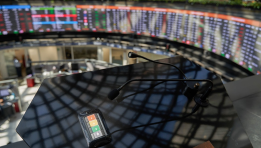
U.S. stock futures declined as markets reacted to escalating geopolitical rhetoric after Donald Trump warned Iran to get “serious”

- Lior mor
- •
- 6 Min Read
- •
- ago 8 hours
SKN | Are Rising Oil Prices Triggering a Market Pullback as Geopolitical Risks Intensify?
The S&P 500 retreated on Thursday as a renewed surge in oil prices and escalating geopolitical rhetoric between the United
- ago 8 hours
- •
- 6 Min Read

The S&P 500 retreated on Thursday as a renewed surge in oil prices and escalating geopolitical rhetoric between the United

- sagi habasov
- •
- 7 Min Read
- •
- ago 8 hours
SKN | Geopolitical Flashpoint: Trump’s Iran Warning Raises Stakes for Global Markets
Geopolitical tensions in the Middle East have intensified after Donald Trump called on Iran to negotiate a deal before
- ago 8 hours
- •
- 7 Min Read

Geopolitical tensions in the Middle East have intensified after Donald Trump called on Iran to negotiate a deal before

