


- Ronny Mor
- •
- 5 Min Read
- •
- 16 seconds ago
Key Points
- Years of strong equity inflows have left U.S. households heavily exposed to stock market volatility.
- Escalating tensions involving Iran could trigger sharp swings in energy prices and global risk assets.
- Portfolio concentration in equities may amplify downside risks during geopolitical shocks.
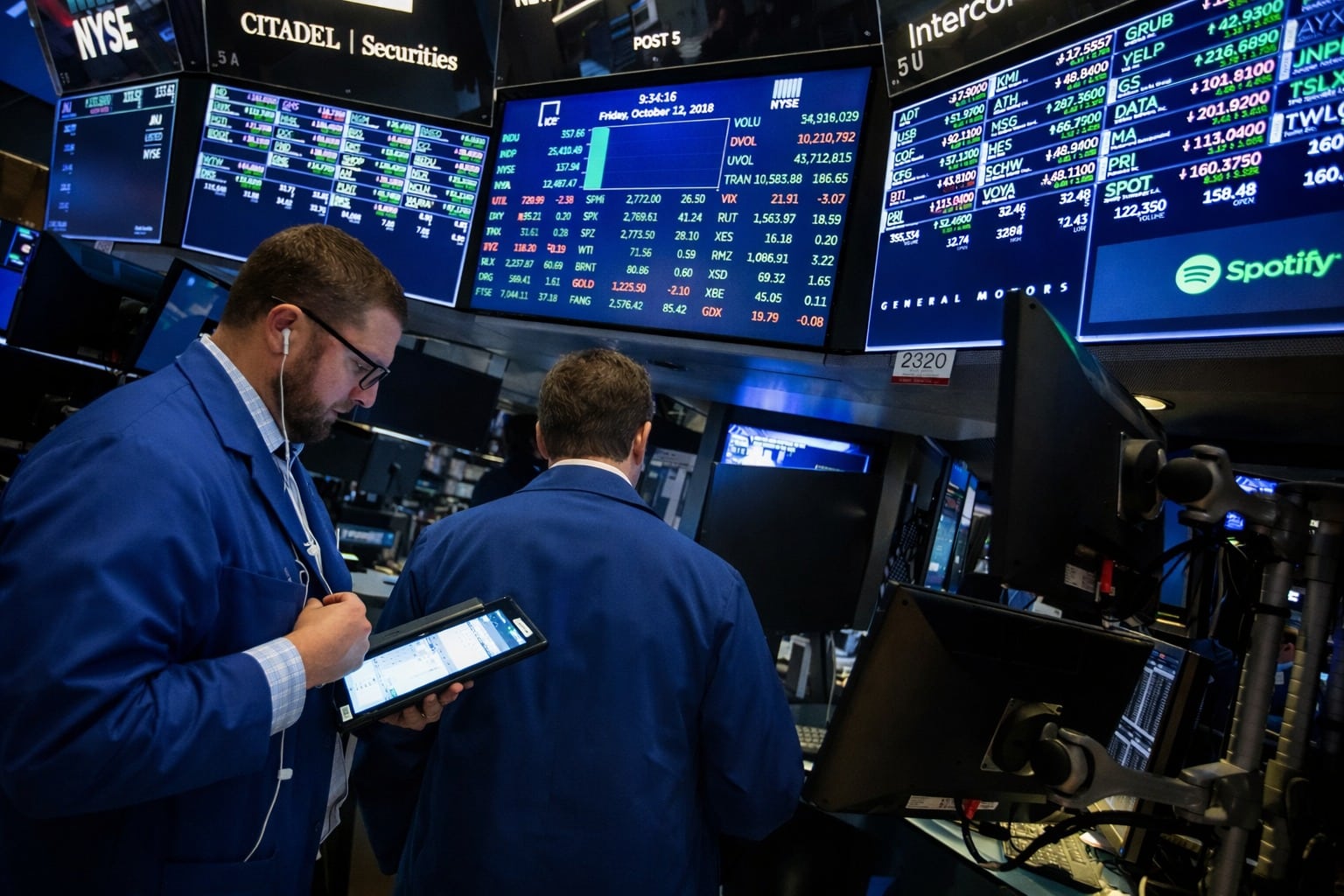
U.S. investors are entering a period of heightened geopolitical uncertainty with historically elevated exposure to equities. After years of sustained inflows into stock markets—driven by low interest rates and strong performance in technology sectors—household allocations to equities remain near multi-decade highs. This positioning could leave portfolios particularly sensitive to external shocks, including a potential escalation involving Iran.
Equity Exposure at Elevated Levels
Data from the Federal Reserve has consistently shown that U.S. household equity allocation as a percentage of financial assets has remained near record levels in recent years. This reflects a prolonged period of strong market returns, particularly in large-cap technology and growth stocks, which have driven index performance.
While this exposure has supported wealth creation, it also increases vulnerability to market corrections. In the context of geopolitical tensions, such as a potential conflict involving Iran, equity-heavy portfolios may experience amplified volatility, particularly if risk sentiment deteriorates rapidly across global markets.
Geopolitical Risk and Energy Market Transmission
Any escalation involving Iran would likely be transmitted to financial markets primarily through energy prices. Iran remains a key player in global oil supply, and disruptions could lead to higher crude prices, increased inflation expectations, and tighter financial conditions. These dynamics typically weigh on equity valuations, especially in rate-sensitive sectors.
For Israeli investors, the geopolitical dimension carries additional relevance. Regional tensions can influence not only global commodity prices but also local currency movements and risk premiums in Israeli assets. Cross-market correlations often intensify during such periods, linking U.S. equity performance more closely with global geopolitical developments.
Market Structure and Liquidity Considerations
Another factor amplifying potential volatility is the structure of modern markets. Passive investment vehicles, including ETFs, now account for a significant share of equity ownership. In periods of stress, these vehicles can accelerate outflows and exacerbate price swings, particularly in highly concentrated indices.
At the same time, reduced market liquidity during periods of uncertainty can magnify price movements. This combination of high equity exposure and evolving market structure creates conditions where geopolitical shocks may lead to sharper and faster corrections than in previous cycles.
Looking ahead, investors will closely monitor developments in U.S.-Iran relations, energy market reactions, and shifts in volatility indicators such as the VIX. The resilience of equity markets will depend on whether geopolitical risks remain contained or evolve into broader disruptions. In the current environment, elevated positioning suggests that even modest shocks could have outsized effects on portfolio performance and global market stability.
Comparison, examination, and analysis between investment houses
Leave your details, and an expert from our team will get back to you as soon as possible
* This article, in whole or in part, does not contain any promise of investment returns, nor does it constitute professional advice to make investments in any particular field.
To read more about the full disclaimer, click here
- omer bar
- •
- 5 Min Read
- •
- ago 1 hour
SKN | How Companies Are Quietly — and Overtly — Raising Prices Amid Iran War Pressures
Rising geopolitical tensions linked to the Iran conflict are increasingly feeding into global pricing dynamics, with companies adjusting prices
- ago 1 hour
- •
- 5 Min Read

Rising geopolitical tensions linked to the Iran conflict are increasingly feeding into global pricing dynamics, with companies adjusting prices

- sagi habasov
- •
- 9 Min Read
- •
- ago 2 hours
SKN | Is Bitcoin Losing Its Safe-Haven Appeal as Geopolitical Tensions Rattle Global Markets?
Bitcoin retreated alongside global risk assets as escalating geopolitical tensions surrounding Iran weighed on investor sentiment. The world’s largest cryptocurrency
- ago 2 hours
- •
- 9 Min Read

Bitcoin retreated alongside global risk assets as escalating geopolitical tensions surrounding Iran weighed on investor sentiment. The world’s largest cryptocurrency

- Ronny Mor
- •
- 7 Min Read
- •
- ago 6 hours
SKN | Samsung’s AI Chip Surge Powers Earnings Beat Despite Geopolitical Headwinds
Samsung Electronics reported financial results that outpaced analyst expectations, as demand for artificial intelligence (AI) semiconductors and related memory products
- ago 6 hours
- •
- 7 Min Read

Samsung Electronics reported financial results that outpaced analyst expectations, as demand for artificial intelligence (AI) semiconductors and related memory products

- orshu
- •
- 6 Min Read
- •
- ago 8 hours
SKN | Global Markets Recap: April 6, 2026 Performance and Outlook for April 7
The global market landscape on April 6, 2026, showed steady recovery after holiday closures in multiple regions. U.S. indices edged
- ago 8 hours
- •
- 6 Min Read
The global market landscape on April 6, 2026, showed steady recovery after holiday closures in multiple regions. U.S. indices edged

