


- Ronny Mor
- •
- 8 Min Read
- •
- 1 hour ago
Key Points
- Sony raises PS5 prices by up to $150 amid rising component costs.
- Memory chip inflation driven by AI demand is squeezing hardware margins.
- The move could signal broader price increases across the gaming and tech industry.
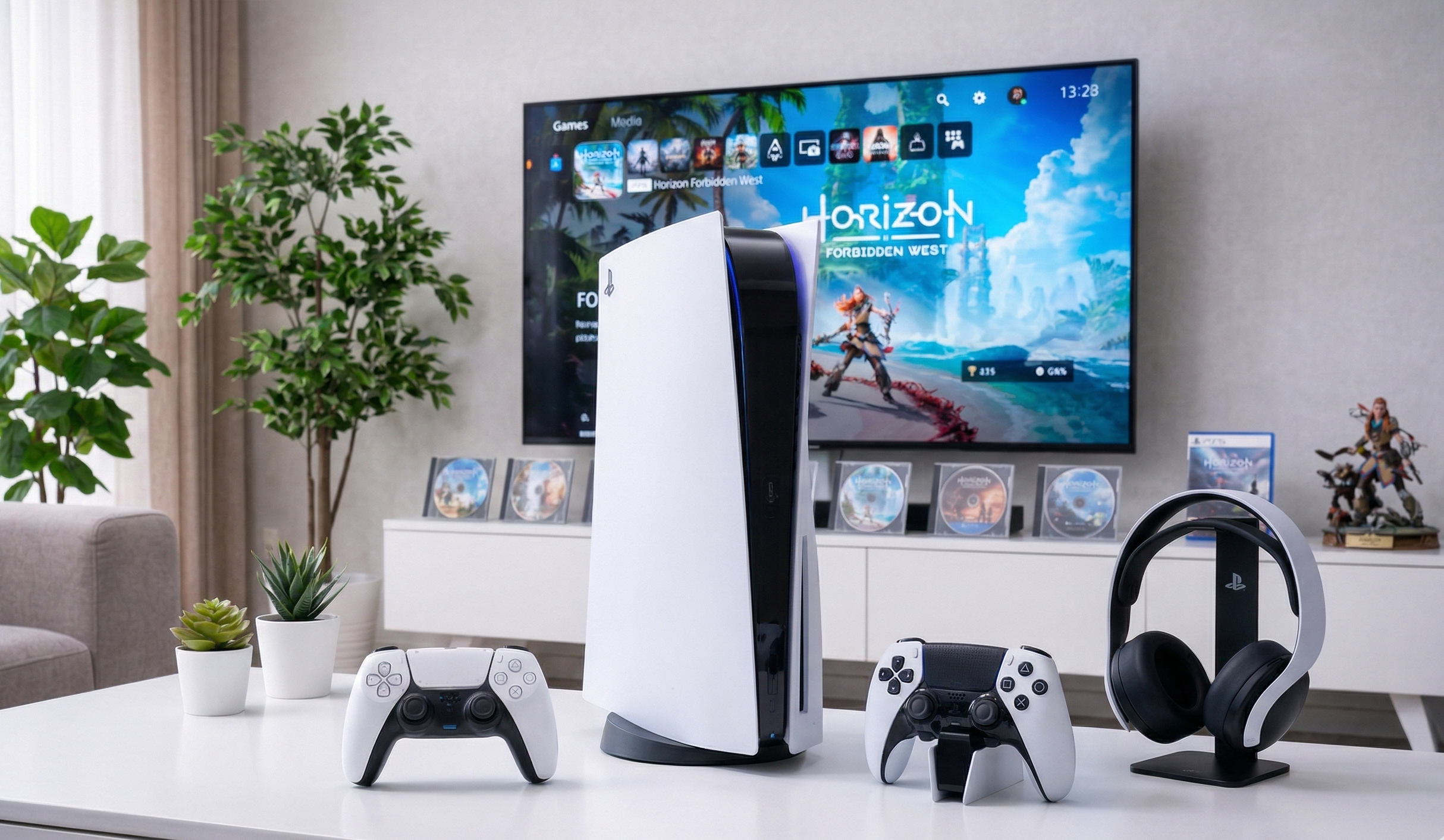
Sony Passes Cost Pressures to Consumers
Sony is increasing prices across its PlayStation 5 lineup for the second time in less than a year, citing mounting pressure from the global economic environment. In the United States, the PS5 disc and digital editions will rise by $100, while the high-end PS5 Pro will see a $150 increase, bringing its price close to $900.
The decision reflects a broader shift in pricing dynamics within the tech sector. Unlike previous cycles where hardware prices typically declined over time, Sony is now raising prices mid-cycle—an unusual move that underscores the intensity of current cost pressures.
For consumers, the change signals that even established products are no longer insulated from inflationary forces. For the industry, it marks a potential turning point in how companies manage profitability in a high-cost environment.
AI Boom Drives Memory Costs Higher
At the heart of Sony’s pricing decision is a sharp increase in memory chip costs. Memory is a critical component of gaming consoles, and prices have surged as manufacturers prioritize supply for artificial intelligence data centers, where demand for high-performance chips is accelerating rapidly.
This shift highlights a growing competition for semiconductor resources between consumer electronics and AI infrastructure. As companies like Nvidia and hyperscalers expand their AI capabilities, they are absorbing a significant share of global chip supply, leaving less availability for other sectors.
The result is a structural increase in component costs that is unlikely to ease quickly. Analysts suggest that Sony may have previously benefited from pricing agreements with suppliers, which are now expiring—forcing the company to adjust prices to protect margins.
Industry-Wide Implications and Competitive Pressure
Sony’s move could have ripple effects across the gaming industry. Competitors such as Microsoft and Nintendo may face similar cost pressures, raising the possibility of broader price increases.
However, the timing creates strategic challenges. While Sony is adjusting prices to maintain profitability, rivals may hesitate to follow immediately, particularly if they are focused on expanding market share or supporting new product launches.
This divergence could temporarily shift competitive dynamics, but if component costs remain elevated, industry-wide price adjustments may become unavoidable.
Balancing Hardware Margins With Ecosystem Growth
Sony’s broader strategy appears to focus on balancing hardware profitability with long-term ecosystem monetization. The company has emphasized its ability to generate revenue from software, subscriptions, and network services tied to its installed base of PS5 users.
This approach allows Sony to absorb some cost pressures while still investing in its platform. However, sustained increases in component costs could challenge this model, particularly if higher console prices dampen demand.
The company is also navigating additional macroeconomic pressures, including inflation linked to global geopolitical tensions, which could further impact supply chains and input costs.
Outlook: A Shift Toward Persistent Tech Inflation?
Looking ahead, Sony’s price hike may be an early indicator of a broader trend. As AI demand continues to reshape semiconductor markets and geopolitical factors add uncertainty to supply chains, the era of declining consumer tech prices may be ending.
If cost pressures persist, consumers could face higher prices across a range of electronics, while companies will need to rethink pricing strategies and margin management.
For now, Sony’s move highlights a key reality: in a world of constrained supply and rising demand for advanced technology, even mature products are not immune to inflation.
The Bottom Line
Sony’s PS5 price increase reflects more than company-specific challenges—it signals a structural shift in the tech landscape.
Component costs are rising.
AI demand is reshaping supply chains.
Pricing power is returning to hardware makers.
As these forces continue to evolve, the impact is likely to extend well beyond gaming consoles, influencing the broader technology market in the years ahead.
Comparison, examination, and analysis between investment houses
Leave your details, and an expert from our team will get back to you as soon as possible
* This article, in whole or in part, does not contain any promise of investment returns, nor does it constitute professional advice to make investments in any particular field.
To read more about the full disclaimer, click here
- omer bar
- •
- 8 Min Read
- •
- ago 10 hours
SKN | Can Huawei Challenge Nvidia in China? New AI Chip Gains Traction with Alibaba and ByteDance
Huawei’s latest artificial intelligence chip appears to be gaining meaningful traction among China’s largest technology firms, marking a potential turning
- ago 10 hours
- •
- 8 Min Read
Huawei’s latest artificial intelligence chip appears to be gaining meaningful traction among China’s largest technology firms, marking a potential turning

- Lior mor
- •
- 8 Min Read
- •
- ago 11 hours
SKN | Are Export Controls Failing? Chinese Universities Acquire Restricted AI Chips Despite U.S. Crackdown
Fresh evidence that Chinese universities — including institutions tied to military research — have obtained restricted U.S. artificial intelligence chips
- ago 11 hours
- •
- 8 Min Read

Fresh evidence that Chinese universities — including institutions tied to military research — have obtained restricted U.S. artificial intelligence chips

- sagi habasov
- •
- 6 Min Read
- •
- ago 15 hours
SKN | Anthropic Considers IPO as Early as October Amid AI Market Surge
Anthropic, the AI company behind the Claude language model, is reportedly evaluating a public offering as early as October, reflecting
- ago 15 hours
- •
- 6 Min Read

Anthropic, the AI company behind the Claude language model, is reportedly evaluating a public offering as early as October, reflecting
- omer bar
- •
- 5 Min Read
- •
- ago 15 hours
SKN | China’s Leading Chipmaker Allegedly Supplies Iran Military with Advanced Semiconductor Technology
U.S. officials have claimed that China’s premier semiconductor company supplied advanced chipmaking technology to Iran’s military, raising concerns about proliferation
- ago 15 hours
- •
- 5 Min Read

U.S. officials have claimed that China’s premier semiconductor company supplied advanced chipmaking technology to Iran’s military, raising concerns about proliferation

