


- Lior mor
- •
- 6 Min Read
- •
- 5 minutes ago
Key Points
- Rising oil prices are pressuring equities by reigniting inflation concerns and tightening financial conditions.
- Geopolitical tensions between the U.S. and Iran are increasing market volatility and uncertainty.
- Investor sentiment remains fragile, with markets caught between hopes for de-escalation and risks of further conflict.

The S&P 500 retreated on Thursday as a renewed surge in oil prices and escalating geopolitical rhetoric between the United States and Iran weighed on investor sentiment. Markets, which had shown resilience in recent sessions, are now confronting a more complex reality where energy shocks, policy uncertainty, and conflicting signals from global leaders are reshaping short-term risk positioning.
Equities Slide as Energy Prices Reignite Inflation Fears
U.S. equities moved lower, with the S&P 500 falling 0.7%, the Nasdaq Composite dropping 1%, and the Dow Jones Industrial Average slipping modestly. The primary catalyst behind the decline was a sharp rebound in oil prices, as Brent crude surged above $107 per barrel while West Texas Intermediate climbed past $93.
This move in energy markets is significant because it directly feeds into inflation expectations. Higher oil prices tend to act as a tax on consumers and businesses, increasing transportation and production costs. For equity markets, this creates a double headwind: margin pressure on companies and reduced expectations for monetary easing.
The reaction highlights a broader market sensitivity to energy-driven inflation, particularly in an environment where central banks remain cautious about prematurely loosening policy.
Geopolitical Tensions Add Layer of Market Uncertainty
Investor anxiety was further amplified by renewed tensions between Washington and Tehran. President Donald Trump issued a stark warning urging Iran to “get serious,” signaling that diplomatic patience may be running thin as the conflict enters its fourth week.
At the same time, conflicting narratives continue to cloud the outlook. While U.S. officials suggest ongoing diplomatic efforts, Iranian leadership has publicly rejected negotiations, even as reports indicate internal review of a potential ceasefire proposal.
Adding to the complexity, Gulf nations have condemned recent attacks on energy infrastructure and signaled readiness to respond, raising concerns about a broader regional escalation. For markets, this uncertainty translates into elevated volatility, particularly in energy and defense-linked sectors.
Market Psychology Signals Fragile Optimism
Despite the sell-off, recent market behavior suggests investors are still attempting to price in a potential diplomatic resolution. Some strategists believe that equities had been rallying on expectations that behind-the-scenes negotiations could lead to de-escalation.
However, this positioning is increasingly fragile. As analysts note, the divergence between public statements and potential private negotiations cannot persist indefinitely. A definitive outcome—either toward escalation or resolution—may soon force markets into a more decisive directional move.
In the meantime, volatility remains the dominant theme. Oil prices are acting as the central transmission mechanism between geopolitics and financial markets, influencing everything from inflation expectations to corporate earnings outlooks.
Looking ahead
Investors will closely monitor developments around U.S.-Iran negotiations, oil price stability, and any signals from the Federal Reserve regarding its policy path. The interplay between these factors will determine whether the current pullback evolves into a deeper correction or stabilizes as geopolitical risks ease.
Comparison, examination, and analysis between investment houses
Leave your details, and an expert from our team will get back to you as soon as possible
* This article, in whole or in part, does not contain any promise of investment returns, nor does it constitute professional advice to make investments in any particular field.
To read more about the full disclaimer, click here
- orshu
- •
- 6 Min Read
- •
- ago 4 minutes
SKN | Stock Futures Slide as Trump’s Iran Warning Triggers Global Risk Repricing
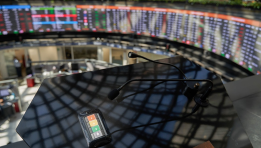
U.S. stock futures declined as markets reacted to escalating geopolitical rhetoric after Donald Trump warned Iran to get “serious”
- ago 4 minutes
- •
- 6 Min Read
U.S. stock futures declined as markets reacted to escalating geopolitical rhetoric after Donald Trump warned Iran to get “serious”

- sagi habasov
- •
- 7 Min Read
- •
- ago 17 minutes
SKN | Geopolitical Flashpoint: Trump’s Iran Warning Raises Stakes for Global Markets
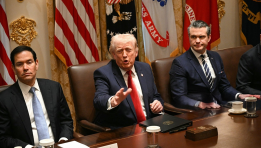
Geopolitical tensions in the Middle East have intensified after Donald Trump called on Iran to negotiate a deal before
- ago 17 minutes
- •
- 7 Min Read
Geopolitical tensions in the Middle East have intensified after Donald Trump called on Iran to negotiate a deal before
- orshu
- •
- 7 Min Read
- •
- ago 1 hour
SKN | Israel Market Close – March 26, 2026: Tel Aviv Stocks Slip as Large Caps Weaken Despite Mid-Cap Resilience
Israeli financial markets closed on March 26, 2026 with moderate losses, as weakness in large-cap and value stocks weighed on
- ago 1 hour
- •
- 7 Min Read

Israeli financial markets closed on March 26, 2026 with moderate losses, as weakness in large-cap and value stocks weighed on
- orshu
- •
- 6 Min Read
- •
- ago 10 hours
SKN | Israeli Markets Show Mixed Trends as Tech and Bond Sectors Diverge
The Israeli equity market opened with mixed dynamics, as the TA-35 index edged lower to 4,292.87 points, down 0.38%, while
- ago 10 hours
- •
- 6 Min Read

The Israeli equity market opened with mixed dynamics, as the TA-35 index edged lower to 4,292.87 points, down 0.38%, while

