


- sagi habasov
- •
- 7 Min Read
- •
- 9 seconds ago
Key Points
- Major stock exchanges in the United States and Europe close on Good Friday, while most reopen the following Monday.
- Easter Monday trading schedules vary globally, with several European markets remaining closed while U.S. markets operate normally.
- Holiday closures can temporarily reduce liquidity and influence short-term volatility across global financial markets.

Global financial markets periodically pause trading for religious and national holidays, and the Easter period is among the most widely observed. Good Friday and Easter Monday often affect trading schedules across major exchanges, creating brief disruptions in global market activity. For investors, understanding these calendar shifts is important for managing liquidity expectations, portfolio adjustments, and cross-border trading strategies.
Good Friday: A Broad Market Closure
Good Friday is one of the few holidays observed simultaneously by multiple major financial centers. U.S. stock markets, including the New York Stock Exchange and Nasdaq, typically remain closed on this day. Many European exchanges—such as those in London, Frankfurt, and Paris—also suspend trading in recognition of the holiday.
The closure halts equity trading, but other segments of the financial system may operate on limited schedules. U.S. bond markets, for example, often close early on the preceding Thursday and remain closed on Good Friday. Commodity markets and foreign exchange trading may continue in reduced form depending on the venue. For global investors, the pause can temporarily reduce liquidity and limit price discovery, especially when macroeconomic events or geopolitical developments occur during the break.
Easter Monday: Diverging Global Trading Schedules
While Good Friday closures are broadly synchronized, Easter Monday presents a more fragmented trading picture. U.S. stock markets typically reopen on Monday and resume regular operations. In contrast, many European markets remain closed for the extended holiday weekend, including exchanges in the United Kingdom, Germany, France, and several other continental financial centers.
Asian markets usually operate according to their domestic calendars and are generally open on Easter Monday unless local holidays coincide. This divergence creates a short window in which U.S. and Asian investors trade without participation from much of Europe. The result can be thinner global liquidity and occasionally sharper intraday price movements, particularly in internationally traded sectors such as technology, commodities, and banking.
Market Implications of Holiday Trading Pauses
Holiday-related closures often influence short-term market behavior even before the actual break. Historically, trading volumes tend to decline in the days leading up to Good Friday as institutional investors adjust positions and reduce exposure ahead of the long weekend. Lower liquidity can amplify price swings in response to economic data or corporate announcements released near the holiday.
For Israeli investors, these global trading pauses can affect both international portfolio allocations and the trading dynamics of dual-listed companies. Stocks listed in both Tel Aviv and overseas exchanges may experience temporary pricing gaps when one market is closed and another remains active. Additionally, currency markets—particularly the U.S. dollar and euro—may see reduced activity during the holiday period, influencing hedging strategies and cross-border capital flows.
Market participants also monitor the holiday period for geopolitical or macroeconomic developments that could impact sentiment once trading resumes. Any unexpected policy announcements, economic data releases, or global events during the closure may trigger sharp reactions when markets reopen.
As global markets continue to operate across multiple time zones and regulatory calendars, holiday schedules remain an important operational factor. Investors and portfolio managers will continue to monitor liquidity conditions and trading calendars during major holidays such as Easter, particularly as cross-border investment strategies become increasingly integrated across U.S., European, and Asian markets.
Comparison, examination, and analysis between investment houses
Leave your details, and an expert from our team will get back to you as soon as possible
* This article, in whole or in part, does not contain any promise of investment returns, nor does it constitute professional advice to make investments in any particular field.
To read more about the full disclaimer, click here
- Ronny Mor
- •
- 5 Min Read
- •
- ago 22 hours
SKN | Bitcoin Ends Five-Month Slide as Market Sentiment Shifts
Bitcoin snapped its five-month decline this week, signaling renewed interest from investors and traders. The cryptocurrency’s rebound comes as markets
- ago 22 hours
- •
- 5 Min Read

Bitcoin snapped its five-month decline this week, signaling renewed interest from investors and traders. The cryptocurrency’s rebound comes as markets
- Ronny Mor
- •
- 9 Min Read
- •
- ago 2 days
SKN | Can GalaxySpace’s IPO Mark a Turning Point in China’s Race to Challenge Starlink?
China’s private space industry is entering a new phase of capital market integration, as satellite manufacturer GalaxySpace begins the formal
- ago 2 days
- •
- 9 Min Read

China’s private space industry is entering a new phase of capital market integration, as satellite manufacturer GalaxySpace begins the formal

- omer bar
- •
- 6 Min Read
- •
- ago 2 days
SKN | Could Nasdaq’s New Rule Supercharge Mega IPOs Like SpaceX?
Nasdaq Accelerates the Path to Index Inclusion Nasdaq is reshaping the IPO landscape with a new “fast entry” rule that
- ago 2 days
- •
- 6 Min Read

Nasdaq Accelerates the Path to Index Inclusion Nasdaq is reshaping the IPO landscape with a new “fast entry” rule that

- Lior mor
- •
- 6 Min Read
- •
- ago 7 days
SKN | How the Fed Could Shrink Its Balance Sheet: Insights from Brookings Institution
The Federal Reserve’s unprecedented expansion of its balance sheet during the COVID-19 pandemic and subsequent economic interventions has left policymakers
- ago 7 days
- •
- 6 Min Read
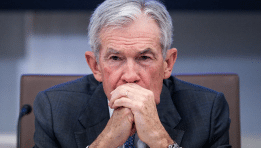
The Federal Reserve’s unprecedented expansion of its balance sheet during the COVID-19 pandemic and subsequent economic interventions has left policymakers

